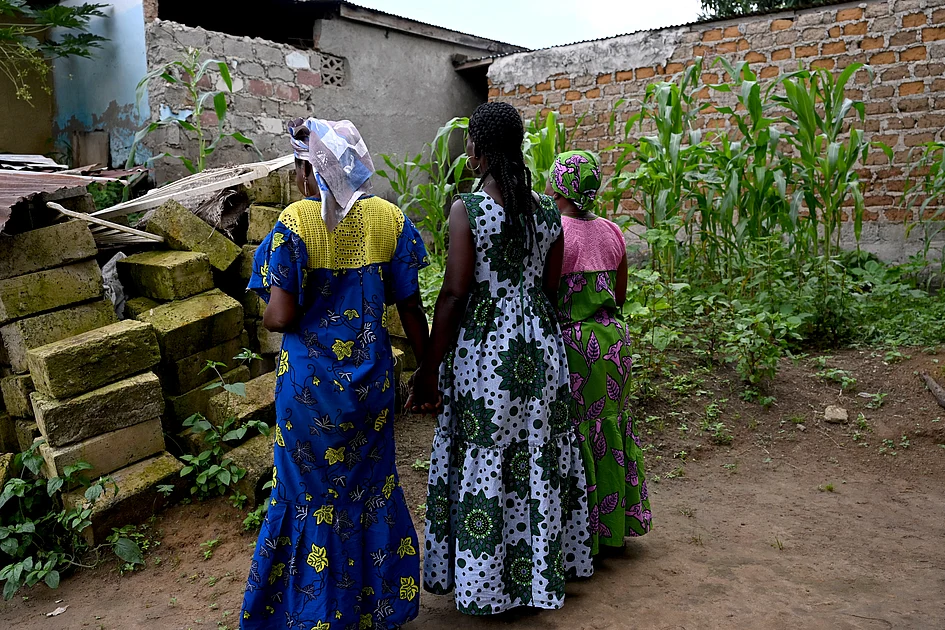
In the aftermath of the 2011 post-election crisis in Ivory Coast, which claimed approximately 3,000 lives, hundreds of women who survived sexual violence have found solace in collective healing. Fearful of societal stigma, many of these women have never pressed charges against their attackers. Instead, they have formed support groups to rebuild their shattered lives. Juliette Bie, a survivor whose mother witnessed her assault and later passed away, established a support group in the town of Man. ‘It’s a way of healing. Psychologically, we’re freeing ourselves,’ Bie shared. Similarly, Mariam Bakayoko, 35, founded a safe space in Duekoue where women can express themselves and share their experiences. These groups meet weekly, fostering trust and camaraderie among members. The western region of Ivory Coast endured nearly a decade of unrest from 2002 to 2011, during which countless women were sexually assaulted. The Platform of Organisations for the Reparation of Victims of Ivorian Crises (POREV-CI) has assisted over 950 survivors, though the actual number is likely higher. Despite the return of calm, many survivors feel neglected by the state. Anne-Marie, a 42-year-old survivor, recounted being raped multiple times during the conflict. Monique, now 50, lost her unborn child after being raped in 2002 and has been unable to conceive since. Agnes, 52, contracted HIV from her assault. ‘We cannot talk about peace, because we haven’t had the reparations we are owed,’ Agnes lamented. The women interviewed by AFP reported receiving no financial or psychological support from the government, despite reporting their situations. Belmonde Dogo, the minister for national cohesion, claimed that all registered rape victims received government aid. However, Justine Kpan, a mental health counsellor with POREV-CI, emphasized the need for income-generating activities to help these women rebuild their lives. Many have lost their husbands or face societal judgment, struggling to make ends meet. ‘They feel forgotten,’ Kpan said.