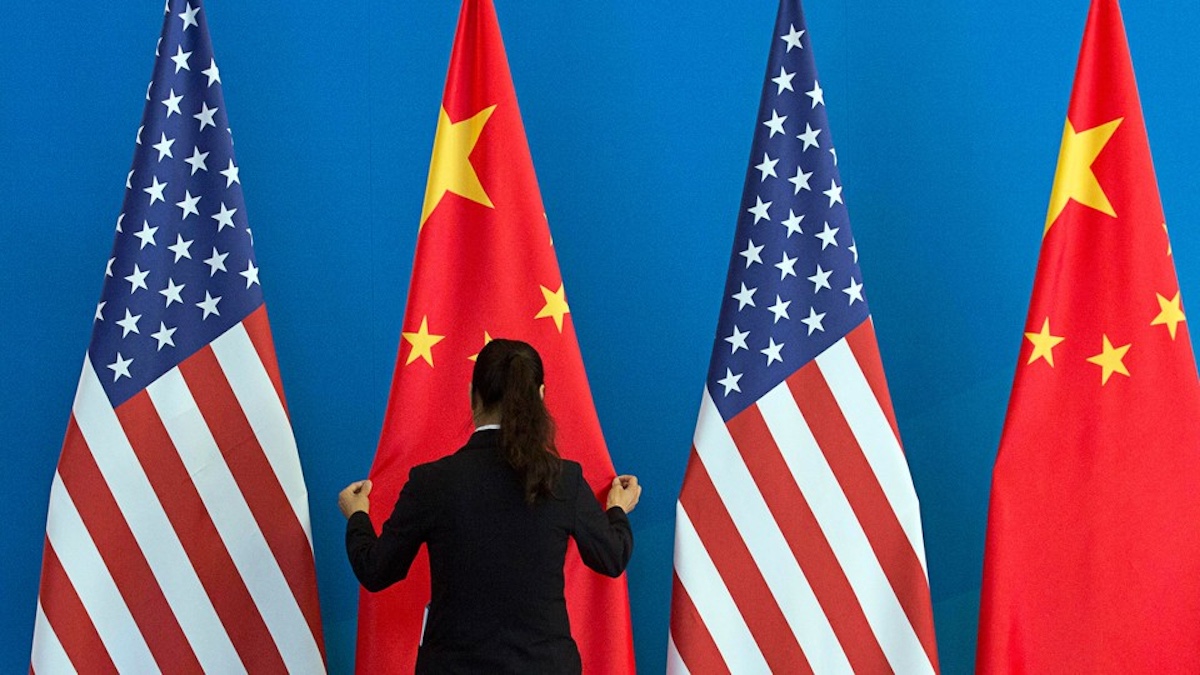
The latest National Defense Strategy, delivered to Secretary of War Pete Hegseth, marks a significant shift in U.S. military priorities. The document, reportedly crafted by Under Secretary of War for Policy Elbridge Colby, advocates for a refocus on domestic and regional missions, moving away from global adversaries like China and Russia. This pivot overturns decades of interventionist policies and signals a more restrained approach to international engagements.
Colby, previously known for his advocacy of a robust ‘Strategy of Denial’ to counter China, has surprised many with this pragmatic stance. During his confirmation hearings, he emphasized that Taiwan, while important, is not an existential interest for the U.S. This shift raises questions about whether it stems from a realistic assessment of U.S. military capabilities or the influence of a mercurial administration.
Meanwhile, China continues to demonstrate its military prowess, showcasing advanced weaponry in a recent parade. The rapid development of China’s defense industry, paralleling its dominance in the electric vehicle sector, underscores its technological and industrial might. With Chinese universities producing 6.7 times more engineers than their U.S. counterparts annually, the pace of innovation in China’s military sector appears unstoppable.
In parallel, the Trump administration has extended tariff negotiations with China for another 90 days, following previous concessions in trade disputes. This ongoing economic tug-of-war highlights the complexities of U.S.-China relations and the challenges of addressing China’s growing economic and military influence.
The new National Defense Strategy reflects a broader reckoning with the limits of U.S. power. As America grapples with domestic issues and overstretched military commitments, the strategy suggests a need to prioritize internal stability over global dominance. This shift, while controversial, may be a necessary step in adapting to a rapidly changing geopolitical landscape.