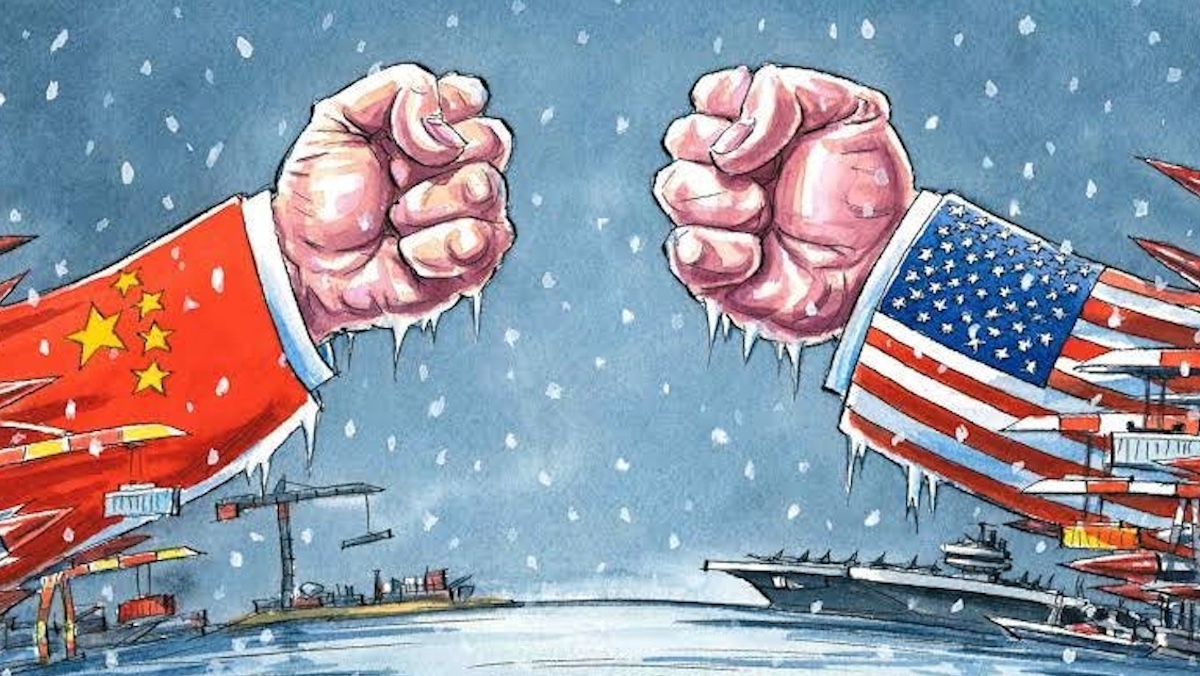
The global community, particularly the United States, is grappling with two pressing questions regarding China: the extent of its military industrial production capacity and the true cost of its weaponry. China’s industrial prowess is unparalleled, boasting an independent and self-sufficient production line that outpaces global competitors in both speed and volume. However, the cost of Chinese weapons remains a contentious issue. While some experts argue that China’s expenses are a fraction of those in the U.S., others remain skeptical, pointing to the complexities of cost calculations, including incentives and operational details. If China’s costs are significantly lower, it could pose a substantial challenge to the U.S.; if they are comparable or higher, China might face its own set of difficulties. The stakes are high, as these factors could influence the trajectory of an arms race reminiscent of the Cold War era. China’s strategy appears to leverage low production costs and technological advancements to gain market share and create trade surpluses. This approach, coupled with a potential reverse Reagan-like strategy, aims to deter U.S. confrontation. However, this could also incite backlash from Americans and other nations. The dynamics of this new Cold War differ from the Soviet era, as China’s ideology does not inherently threaten private wealth, instead promising to enrich capitalists. This subtle distinction has garnered support from global financiers, who operate under the protective wing of the Chinese leadership. The U.S., meanwhile, seems unprepared for a full-scale confrontation, as evidenced by its tepid responses and strategic retreats. The absence of American leadership could lead to increased regional tensions, particularly in Asia, where countries may need to manage their relations with China independently. The evolving geopolitical landscape underscores the potential for a significant shift in global power dynamics, with China poised to capitalize on America’s perceived vulnerabilities.