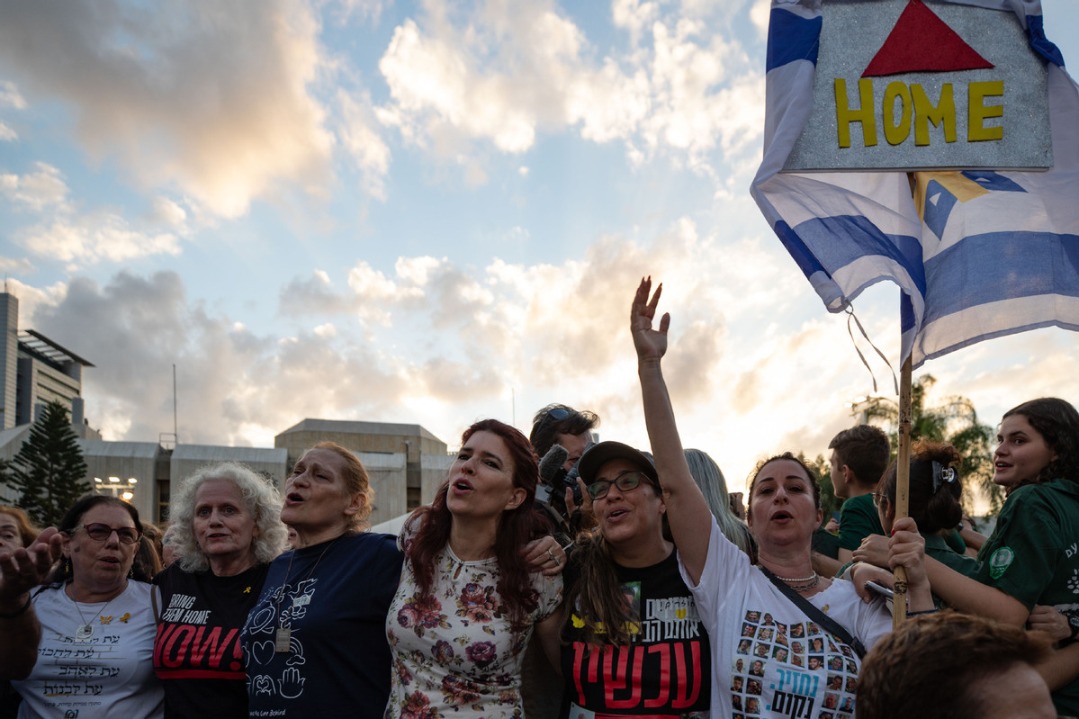
A long-awaited ceasefire agreement between Israel and Hamas has taken effect in the Gaza Strip, marking a significant step toward de-escalation in the region. The truce, which commenced at 12:00 noon local time (0900 GMT) on Friday, has been met with cautious optimism as both parties pledge to uphold the terms of the deal. The international community has emphasized the critical need for full implementation, urging all sides to avoid violations and ensure lasting peace. The agreement, brokered through intensive negotiations mediated by Egypt, Qatar, Turkiye, and the United States, outlines a phased approach to peace. The initial phase includes the withdrawal of Israeli forces from key areas such as Gaza City, the north, Rafah, and Khan Younis, alongside the opening of five crossings for humanitarian aid and the exchange of hostages and prisoners. Israeli Prime Minister Benjamin Netanyahu confirmed the government’s approval of the framework, which includes the release of all hostages, both living and deceased. As part of the deal, Israel will release 1,700 Palestinian prisoners in exchange for 48 hostages held in Gaza. Despite the ceasefire, reports of Israeli fighter jets near the Nuseirat refugee camp have raised concerns about potential breaches. Hamas’ top negotiator, Khalil al-Hayya, assured in a televised speech that the US administration and mediators have guaranteed the end of the war, allowing Palestinian factions to focus on self-determination and statehood. Meanwhile, Hamas spokesman Hazem Qassem called on mediators to pressure Israel to adhere to the agreed terms, warning that any violations could jeopardize international and regional efforts to end the conflict. The agreement follows US President Donald Trump’s 20-point plan for Gaza, as the region grapples with the devastating toll of the conflict, which has claimed over 67,000 Palestinian lives.