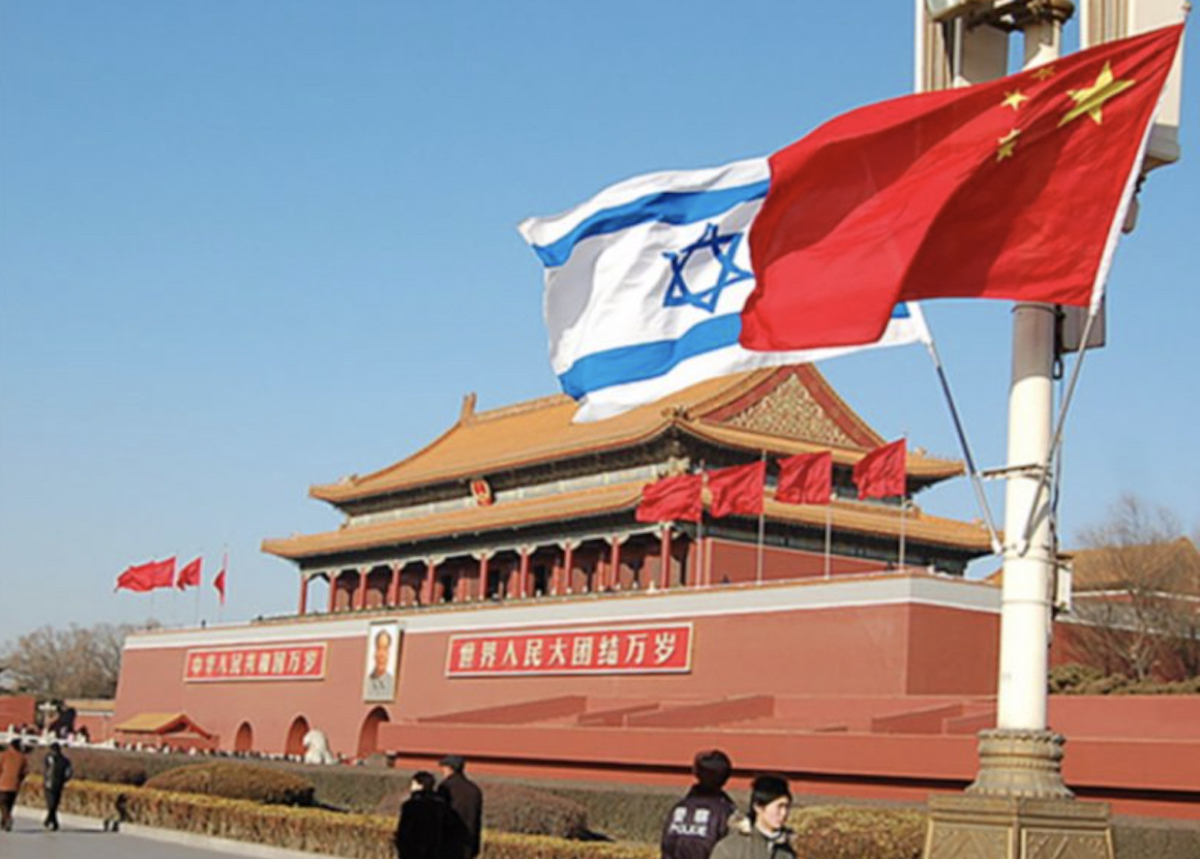
The once-thriving diplomatic and economic partnership between China and Israel is facing unprecedented strain as escalating tensions between the United States and China force Israel into a delicate balancing act. What began as a pragmatic alliance centered on technological collaboration and trade has evolved into a complex geopolitical puzzle, with Israel caught between its most vital ally and one of its largest economic partners. Over the past three decades, China and Israel cultivated robust ties in technology, trade, and diplomacy, with Chinese investments fueling Israeli tech startups and bilateral trade flourishing in sectors like semiconductors and agricultural innovation. However, recent geopolitical shifts have disrupted this dynamic, creating unforeseen challenges for both nations. The turning point came after Hamas’s October 2023 attacks on Israel and the subsequent military response. China, previously neutral, adopted a pro-Palestinian stance, condemning Israeli actions and supporting UN resolutions critical of Israel’s policies. This marked a significant departure from its earlier balanced approach. The US-China rivalry has further complicated matters, particularly in the technology sector. Washington has pressured Israel to restrict technology transfers to China, especially in sensitive areas like semiconductors, artificial intelligence, and defense technologies. This pressure has yielded tangible results, with Israeli semiconductor exports to China halving from $21 million in 2020 to $11 million in 2022. Israeli companies have been forced to reevaluate their Chinese partnerships, with some deals canceled under American scrutiny. Despite these challenges, economic ties between China and Israel remain resilient, with bilateral trade reaching $16.3 billion in 2024. However, this interdependence also exposes vulnerabilities. China’s reliance on Middle Eastern oil, particularly from Iran, complicates its relationship with Israel, given Iran’s adversarial stance. The October 2023 conflict also reshaped Chinese perceptions of Israel, with Beijing increasingly critical of Israeli military actions. This shift has eroded trust, as evidenced by 2024 polls showing a majority of Israelis now view China as unfriendly. The crisis underscores broader strategic realignments in the Middle East, where the US and China vie for influence. While the US remains Israel’s primary security guarantor, China’s alignment with Iran and Palestine has limited its role as a regional mediator. US concerns over Chinese access to Israeli technology have intensified, leading to enhanced investment screening and restricted cooperation. The future of China-Israel relations hinges on several factors, including the trajectory of US-China competition, regional stability, and global technology governance. Israel must navigate these pressures while balancing its economic interests and security concerns. This evolving relationship serves as a microcosm of how great power competition impacts smaller states, offering insights into the challenges of navigating a multipolar world.