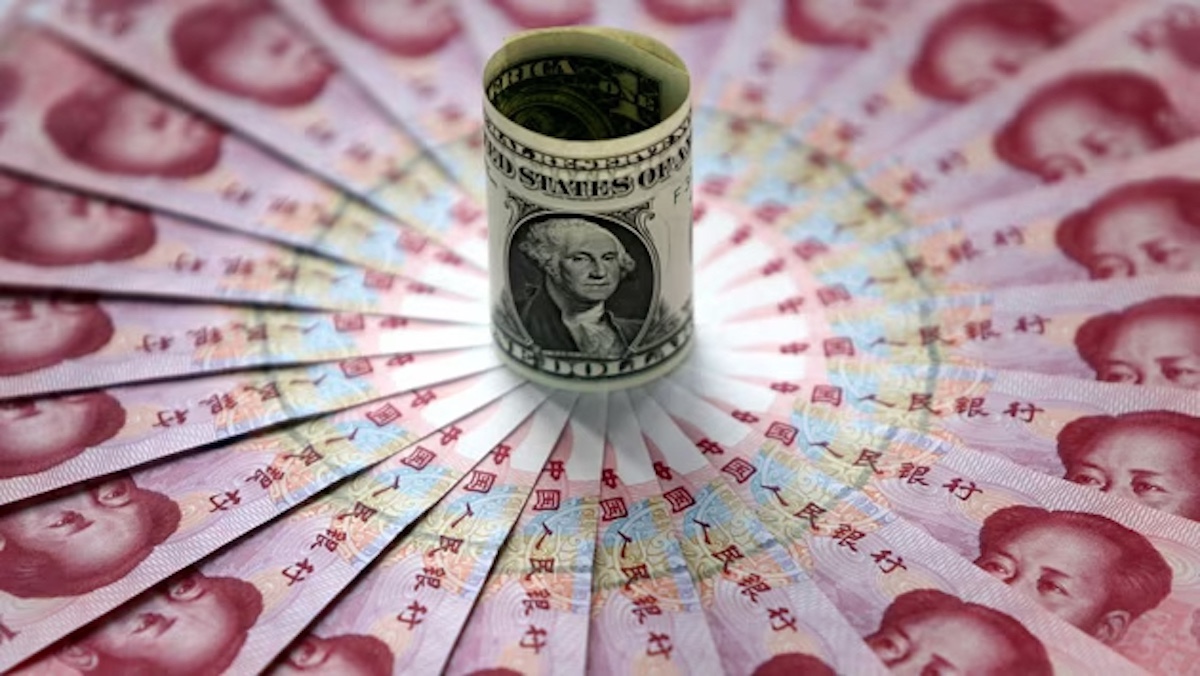
TOKYO — The past year has painted a paradoxical picture for the US dollar, leaving analysts divided on its trajectory. On one hand, the dollar remains a dominant force in global currency markets, with the latest data from the Bank for International Settlements (BIS) revealing its involvement in 89% of all foreign exchange transactions. This statistic underscores the dollar’s entrenched position as the world’s primary reserve currency, seemingly immune to challenges. On the other hand, the Chinese yuan’s growing influence, now accounting for 8.5% of global transactions, has sparked concerns about the dollar’s long-term supremacy. This rise in the yuan’s share is seen by some as a potential threat to Washington’s financial dominance. The situation is further complicated by the global foreign exchange market’s apparent indifference to the United States’ deteriorating economic fundamentals. Despite mounting debt, inflationary pressures, and political instability, traders continue to favor the dollar, highlighting its unique role in the global financial system. As the yuan gains traction, the question remains: Is the dollar’s hegemony unassailable, or is it on the brink of a gradual decline?