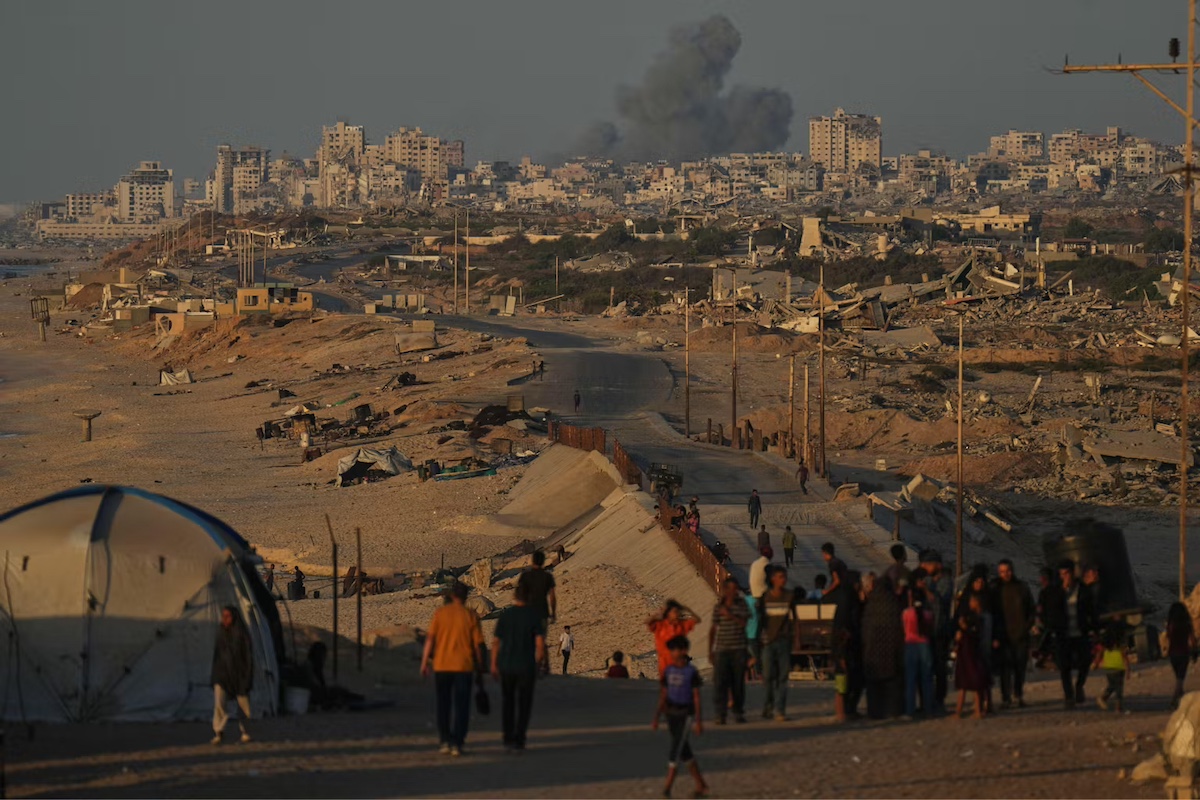
After two years of intense conflict resulting in the deaths of 68,000 Palestinians and over 1,200 Israelis, predominantly civilians, Hamas and the Netanyahu government are poised to sign a Phase 1 ceasefire agreement. This initial step is part of a 20-point plan championed by former U.S. President Donald Trump and backed by key Arab powers in the region. Under this agreement, Israel will halt its military operations in Gaza, while Hamas has committed to releasing the remaining 20 Israeli hostages still held in the territory. The deal marks a significant shift from previous ceasefires, as Hamas is releasing all hostages and recoverable bodies in exchange for an unspecified number of Palestinian detainees from Israeli prisons. This move effectively relinquishes Hamas’s primary leverage against Israeli military actions and the Netanyahu government’s control over aid to Gaza. However, critical elements of a lasting peace—such as the extent of Israel’s military withdrawal, the resumption of aid, and the establishment of governance in Gaza—remain unresolved. The agreement faces potential obstacles, including Israel’s demand for Hamas’s complete disarmament and the expulsion of certain Hamas officials, which Hamas is likely to reject. The composition of an international oversight board for Gaza is also unclear, with Trump declaring himself its chair and no provision for Palestinian representation. Arab states, particularly Qatar and Egypt, played a crucial role in brokering this deal, despite Israel’s recent airstrike in Qatar. The immediate focus is on the survival of Gaza’s civilians, with the pause in Israeli attacks offering a brief respite. However, the long-term recovery of Gaza, devastated by two years of conflict, will require more than just economic development; it will necessitate a sustainable solution for security and welfare. While the Phase 1 agreement is a step forward, the path to lasting peace remains fraught with challenges.