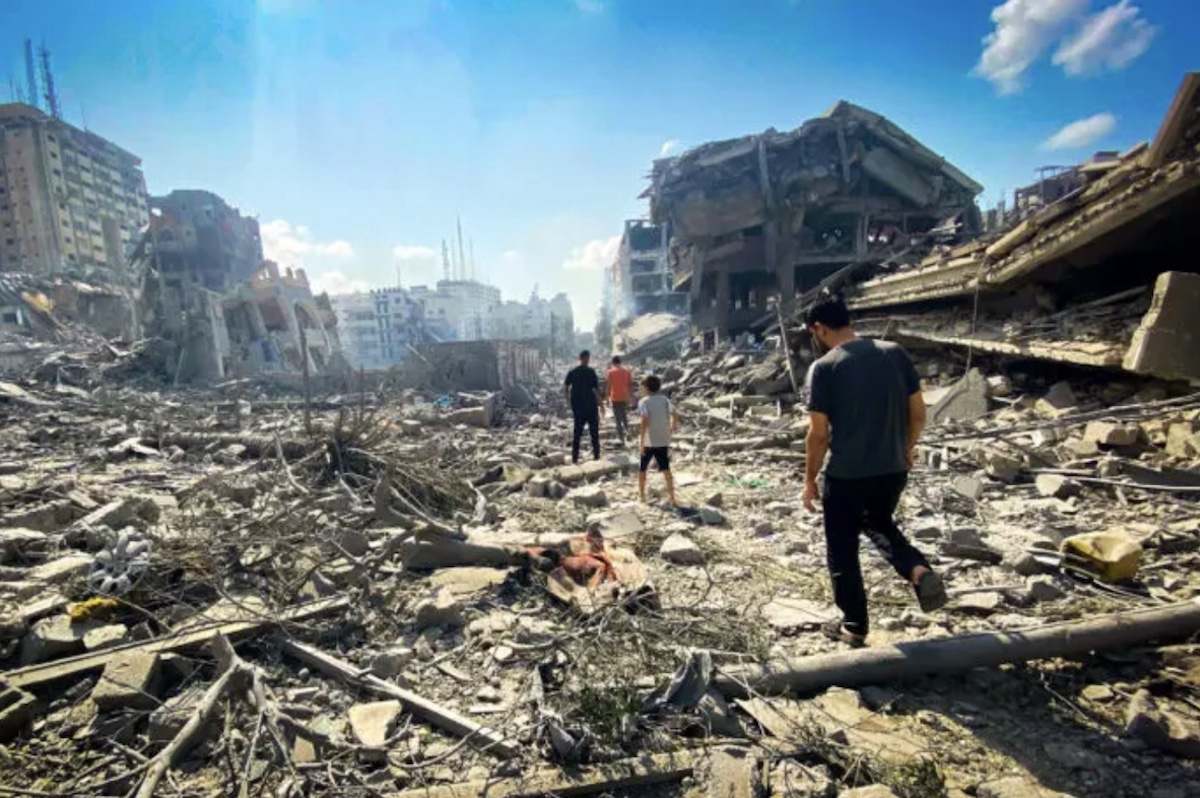
The ceasefire agreement between Israel and Hamas, initiated on October 10, marks a pivotal moment in the quest for lasting peace and security in the region. Central to this first phase is the structured release of hostages and a prisoner exchange, underpinned by an unwavering military ceasefire and a phased withdrawal plan. Without these foundational measures, no other initiatives could have been effectively implemented, even temporarily. The cessation of military operations and the retreat of forces to a line granting Israel control over 53% of the Gaza Strip – the initial stage of President Donald Trump’s three-phase plan – will facilitate the delivery of large-scale humanitarian aid to Palestinian civilians. The release of Israeli hostages, both living and deceased, will commence, followed by Israel’s release of Palestinian prisoners, including those serving life sentences and detainees from Gaza. Trump’s peace plan, which integrates elements of previous efforts, aligns with Phase 1 of United Nations Security Council Resolution 2735, adopted on June 14, 2024. Phase 2 envisions a permanent end to hostilities in exchange for the release of all remaining hostages and a full withdrawal, while Phase 3 proposes a comprehensive, multi-year reconstruction plan. Despite potential disagreements over specifics, Trump’s 20 principles have garnered widespread support from regional and global stakeholders. The agreement mandates strict adherence to the ceasefire on land, sea, and air, with both Israel and Hamas refraining from military actions immediately upon signing. To support the process, Israel has initiated operational preparations, and the US is deploying up to 200 troops to establish a civil-military coordination center in Israel, potentially including forces from Egypt, Qatar, and Turkey. Once the ceasefire is secured and the hostage and prisoner exchange completed, the establishment of a temporary International Stabilization Force and international civil administrators is intended, though consensus is yet to be reached. Historical precedents, such as the UN Emergency Force (UNEF 1) and the UN Transitional Administration in Cambodia (UNTAC), offer valuable lessons for monitoring and stabilizing the region. The proposed ceasefire observation force in Gaza would focus on maintaining the ceasefire, ensuring compliance, and operating in accordance with local laws without obstructing civil or humanitarian efforts. While challenges remain, including the disarmament of Hamas and the absence of a long-term political solution, Trump’s peace plan represents a critical opportunity to improve the lives of Palestinians in Gaza and prevent further chaos.