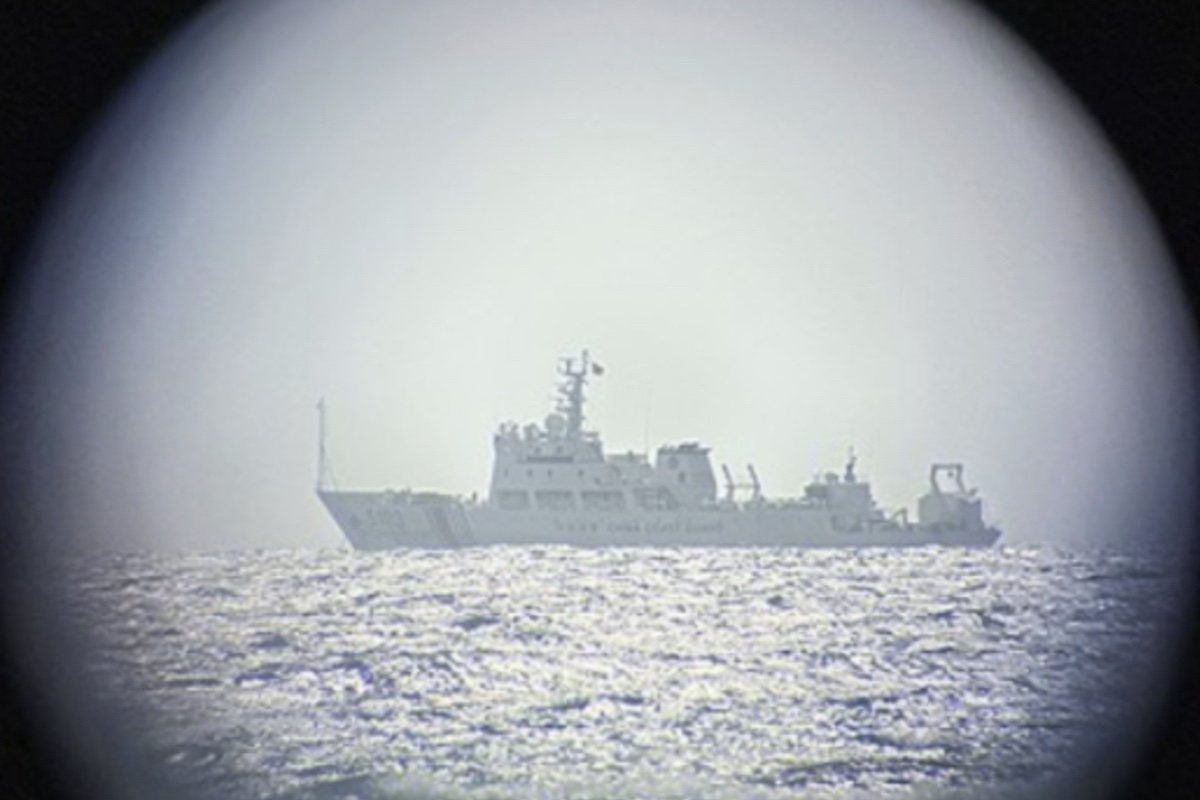
US officials have indicated that Chinese President Xi Jinping has set a 2027 deadline for the People’s Liberation Army (PLA) to achieve the capability to invade Taiwan, coinciding with the centennial anniversary of the PLA’s founding. This revelation was highlighted by US Secretary of Defense Pete Hegseth during a security conference in Singapore in May, where he emphasized the “imminent threat” China poses to Taiwan. Over the past decade, the PLA has undergone significant modernization, building the world’s largest navy and coast guard. However, rather than outright invasion, China appears to be leaning towards a strategy of prolonged blockade to pressure Taiwan into submission. This approach, known as ‘lianhe fengkong’ (joint blockade), would involve cutting off Taiwan from external resources, leveraging coordinated air, sea, and land-based systems. A recent report by the Centre for Strategic and International Studies (CSIS) simulated 26 war game scenarios, predicting severe consequences for Taiwan, including depletion of natural gas within ten days, coal and oil shortages within weeks, and a halt in manufacturing if electricity levels drop to 20%. Taiwan’s vulnerability stems from its heavy reliance on port calls and limited emergency reserves. While blockades are not inherently illegal under international law, they must comply with war regulations, including effectiveness, notification, and impartial enforcement. China’s potential strategies range from kinetic blockades targeting merchant ships to non-kinetic measures like encircling the island with its naval forces. Counter-blockade strategies, such as those led by the US, could involve closing critical trade routes like the Malacca Strait, though such actions risk global economic disruption. The optimal response may lie in bolstering Taiwan’s resilience through increased stockpiles and infrastructure development, alongside US naval support to break potential blockades, albeit at significant risk of escalation.