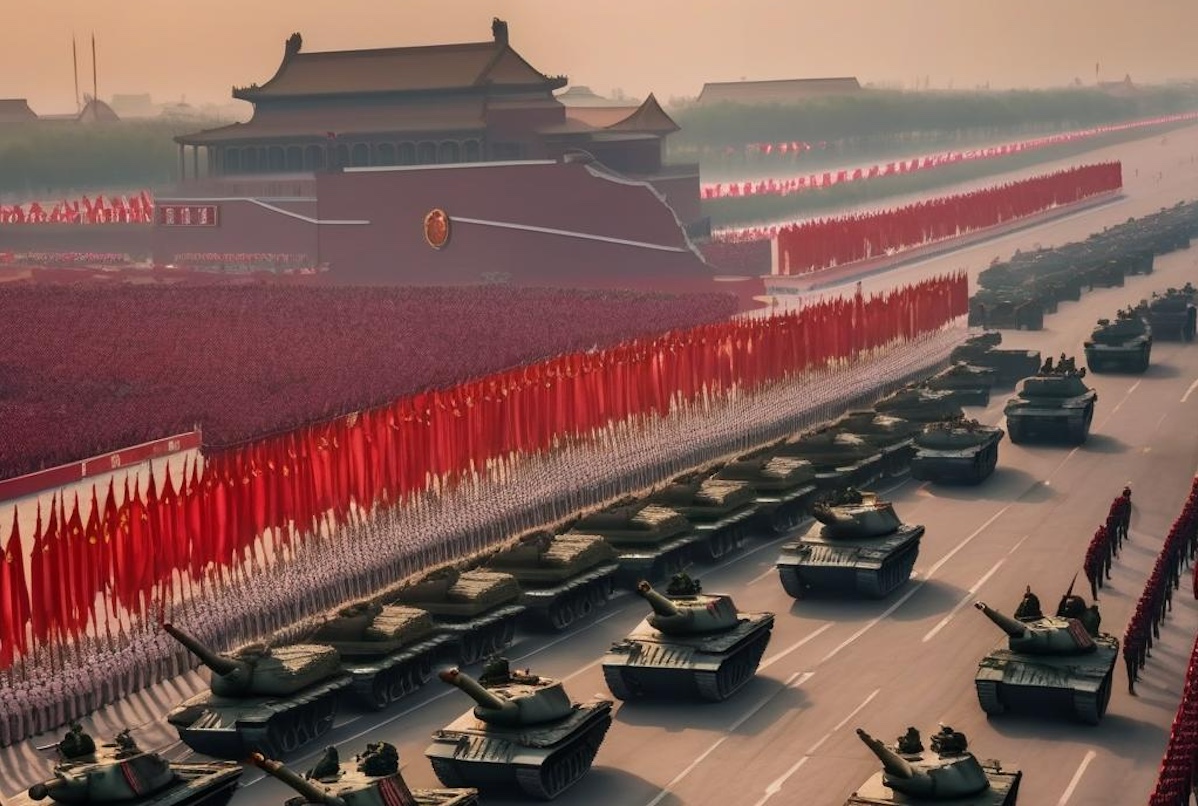
On September 3, Beijing witnessed a historic military parade where Chinese President Xi Jinping unveiled a defense system capable of countering the United States. This display marked a significant shift in global power dynamics, signaling that China is no longer a junior partner to the U.S. but a formidable global power ready to defend and expand its interests. This event, coupled with China’s growing alliances and its philosophy of non-interference in international politics, underscores its strategic rise on the world stage. The recent Shanghai Cooperation Organization (SCO) summit in Tianjin further highlighted China’s expanding influence, with India’s presence confirming Beijing’s ability to attract new allies while the U.S. struggles to maintain its traditional partnerships. China’s re-examination of history, particularly its role in World War II, and its emphasis on regional growth through initiatives like the $1.3 billion SCO development bank, further illustrate its comprehensive strategy to reshape global narratives and economic frameworks. Meanwhile, the U.S. faces challenges in maintaining its influence in Asia, with countries like Japan and Australia potentially hedging their security strategies and relying less on American support. This evolving landscape suggests a psychological and strategic decoupling between the U.S. and China, leading to a more tense bilateral atmosphere reminiscent of Cold War II. As China continues to capitalize on American missteps, it is crafting a new world order with its own rules, independent of Western standards. This shift has profound implications for global security, trade, and diplomacy, as nations reassess their alliances and strategies in response to China’s growing assertiveness.