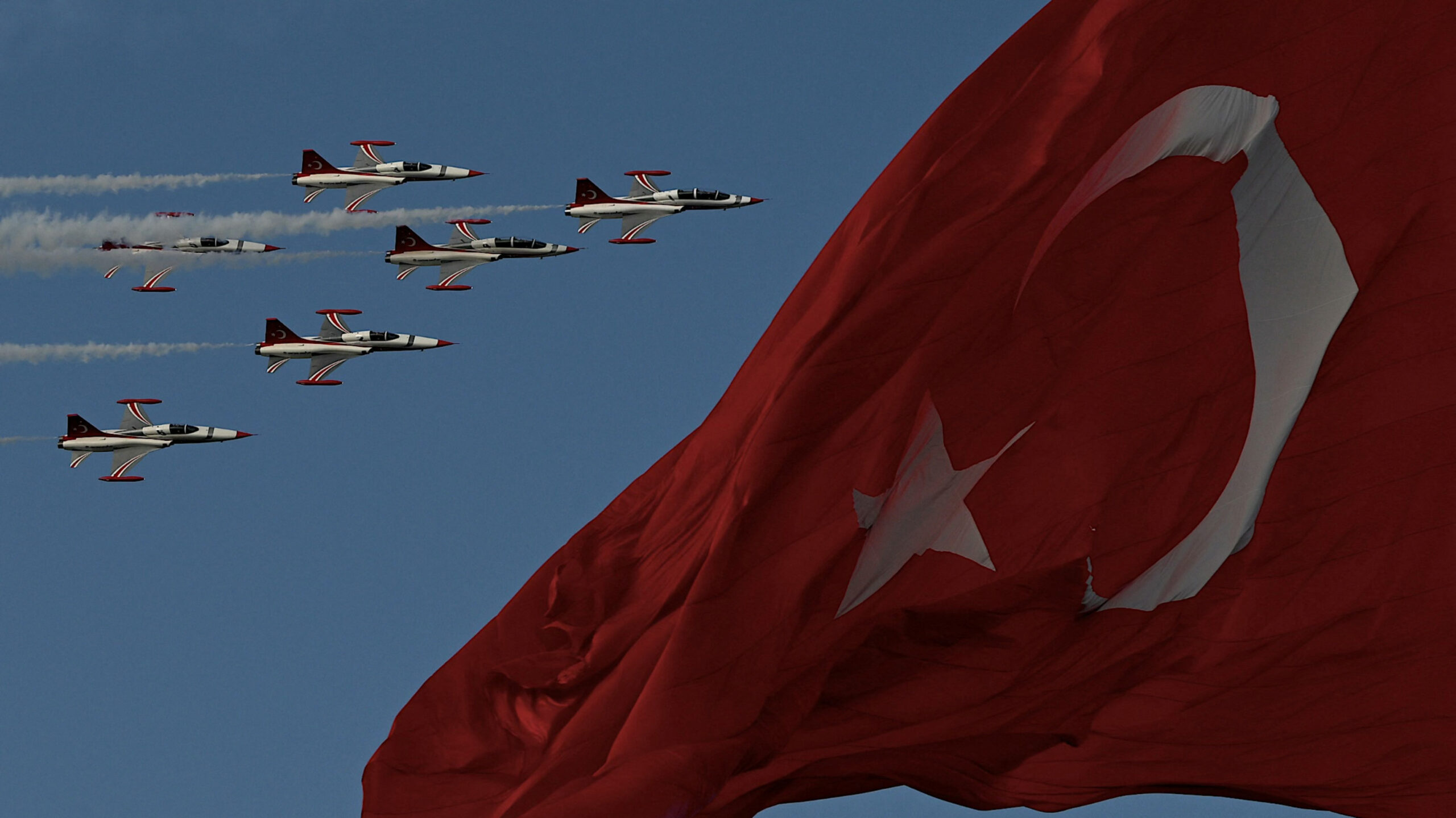
Israel’s recent daylight strike on Hamas leadership in Doha has sent shockwaves across the Gulf region, validating Turkey’s long-standing warnings about Israel’s willingness to disregard international norms and sovereignty. Turkish Foreign Minister Hakan Fidan has repeatedly highlighted Israel’s expansionist strategy, which many Gulf states believed would be restrained by U.S. security guarantees, particularly in Qatar, home to a major U.S. military base. However, the strike has underscored the limits of such assumptions. Turkey, a close ally of Qatar, swiftly condemned the attack, with President Recep Tayyip Erdogan pledging joint steps with Qatar in response. Despite this, Turkey’s options remain constrained, given its modest military presence in Doha and Qatar’s multi-layered security framework involving the U.S., the UK, and the Gulf Cooperation Council. The incident has exacerbated tensions between Turkey and Israel, raising concerns about potential confrontation. In response, Turkey has heightened its air patrols and accelerated defense investments, including the development of advanced missile and air defense systems. While Turkey remains cautious, officials emphasize that any violation of its airspace would provoke a decisive response. Despite the escalating rhetoric, both nations are likely to manage tensions through U.S. mediation and established intelligence channels.