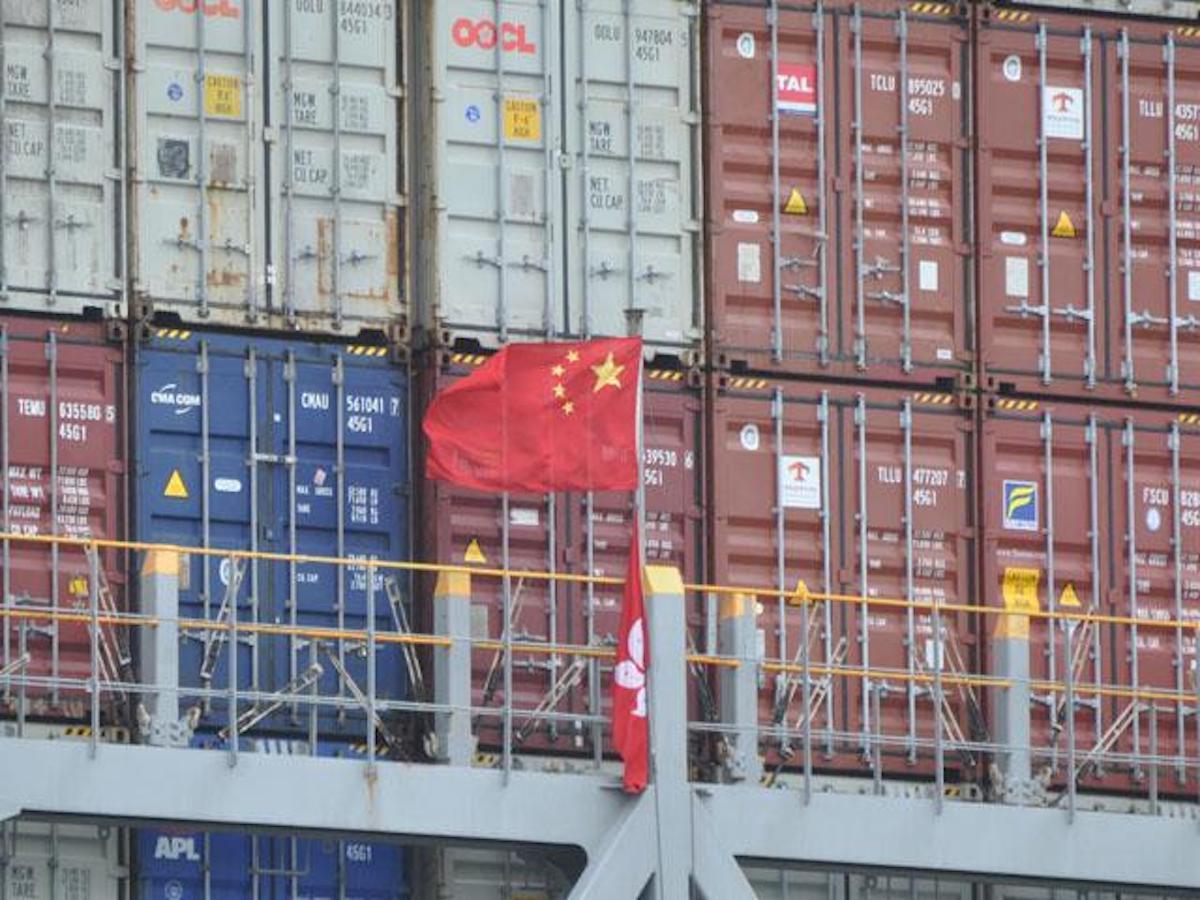
Despite former U.S. President Donald Trump’s aggressive tariff policies, China’s export sector has demonstrated remarkable resilience, with its trade surplus projected to reach $1.2 trillion by the end of 2025, surpassing last year’s $1 trillion mark. This success stems from China’s strategic adaptability, including market diversification, supply chain rerouting, and a focus on sectors less vulnerable to U.S. tariffs. For instance, exports to Southeast Asia have surged beyond their COVID-19 peak, with record-breaking shipments to India and Africa. Arthur Kroeber of Gavekal Dragonomics notes that the Trump era inadvertently spurred China to enhance its export competitiveness through innovative workarounds, such as transshipments and relocating production to lower-tariff countries. However, these tactics have drawn scrutiny, with Trump vowing to penalize nations facilitating such arbitrage. Meanwhile, Southeast Asian economies, including Vietnam, Indonesia, and Thailand, face challenges from China’s overcapacity, political instability, and weak infrastructure, hindering their aspirations to become manufacturing hubs. Mexico stands out as a potential outlier, considering a 50% tariff on Chinese goods. As global tensions escalate, China seeks to avoid provoking protectionist measures while navigating deflationary pressures and internal economic reforms. The U.S., burdened by a $36 trillion national debt, faces its own economic reckoning, with experts warning of severe consequences from Trump’s tariff-driven trade war. Despite these challenges, China’s export engine continues to defy expectations, underscoring its pivotal role in the global economy.