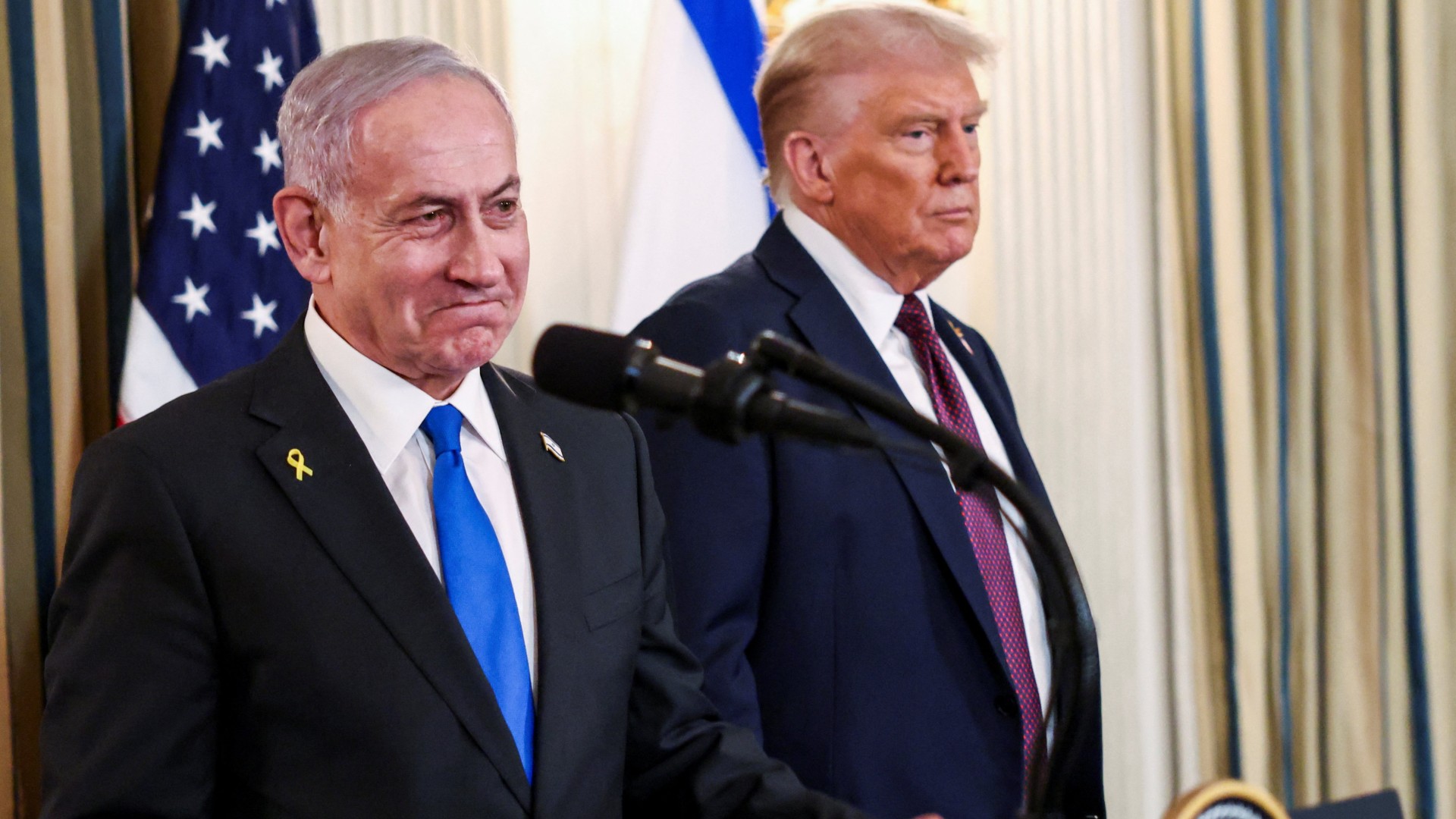
In a bold move to address the longstanding conflict in the Middle East, former US President Donald Trump unveiled a 20-point plan for Gaza alongside Israeli Prime Minister Benjamin Netanyahu. The plan, presented as a pathway to peace, has sparked significant debate and criticism for its perceived bias and lack of Palestinian involvement. Central to the proposal is a return to the pre-October 7, 2023, status quo, including a truce between Hamas and Israel, UN-led aid distribution in Gaza, and aspirational talks on Palestinian statehood. However, the plan sidelines the Palestinian Authority and demands Hamas disarm and exit Gaza, effectively excluding Palestinians from the decision-making process. Critics argue that the plan mirrors past failed US strategies, imposing solutions without genuine Palestinian consent. Arab and Muslim nations, while acknowledging Trump’s efforts, have expressed reservations, particularly regarding the exclusion of Palestinian representation. The proposal also introduces a post-conflict rebuilding model led by Trump and former British Prime Minister Tony Blair, raising concerns about colonial overtones. Despite international support from some European nations, the plan faces significant hurdles, including internal Israeli resistance and the lack of a viable alternative for Palestinian political representation. As Hamas reviews the proposal, the broader implications for regional stability and Palestinian self-determination remain uncertain.