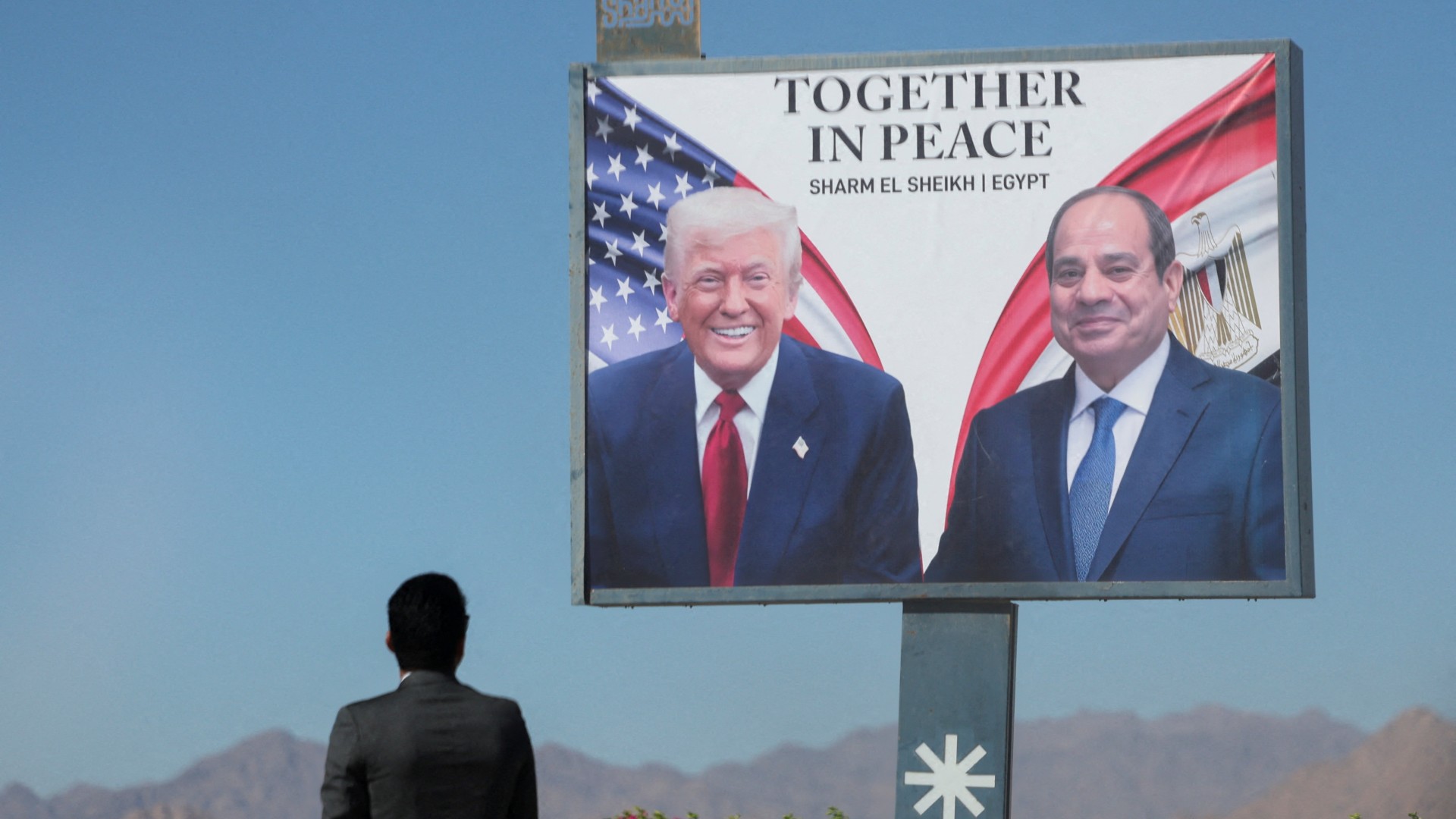
The recent summit in Sharm el-Sheikh, Egypt, co-chaired by US President Donald Trump and Egyptian President Abdel-Fattah el-Sisi, aimed to solidify and celebrate the Gaza ceasefire agreement. However, the conspicuous absence of Saudi Crown Prince Mohammed bin Salman and UAE President Mohammed bin Zayed sent a strong message: the Gulf Arab heavyweights were unwilling to let Egypt take center stage. According to sources from Saudi Arabia, the UAE, and Egypt, their no-show was a deliberate move to prevent Cairo from claiming undue credit for the deal. Egypt has historically played a pivotal role in Middle Eastern diplomacy, particularly in mediating conflicts involving Israel and Gaza. Yet, its recent actions—or inactions—during Israel’s blockade of Gaza’s Rafah crossing, which exacerbated a humanitarian crisis, have drawn criticism. At home, Egypt has also suppressed expressions of solidarity with Palestinians, further complicating its stance. Meanwhile, Saudi Arabia and the UAE, as the region’s wealthiest nations, are expected to shoulder much of Gaza’s reconstruction costs. Both countries argue that their financial contributions warrant a greater role in shaping Gaza’s future. The tension reflects deeper ideological divides, with both Gulf nations viewing Hamas as a threat to their own political stability. Saudi Arabia’s Crown Prince, in particular, sees Hamas’s religious and populist appeal as a challenge to his liberalizing reforms. The UAE, long opposed to political Islam, fears Hamas’s survival could embolden similar movements. The absence of Gulf leaders at the summit underscores the growing fragmentation within the Arab world, as nations grapple with balancing public anger over Gaza, skepticism of US-led initiatives, and the need to maintain Western alliances. The summit, intended to showcase Egypt’s leadership, instead revealed unresolved rivalries and a lack of unified Arab support.
Saudi and Emirati rulers’ Sharm el-Sheikh no-show reveals tensions with Egypt over Gaza