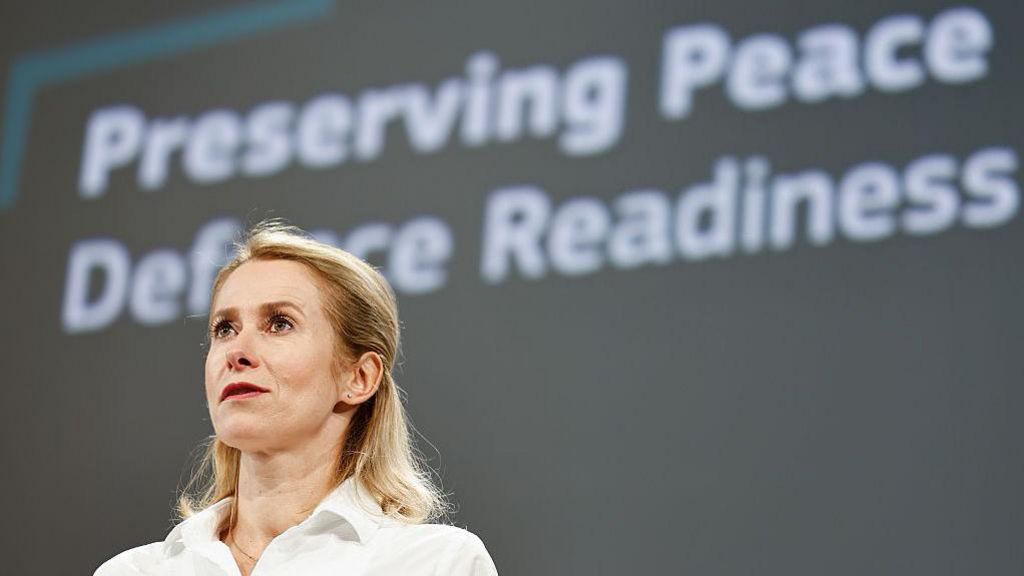
The European Union is ramping up its defence capabilities in response to escalating tensions with Russia, as outlined by EU foreign policy chief Kaja Kallas. Speaking in Brussels, Kallas emphasized that the threat to Europe would persist even after the conclusion of the war in Ukraine. The EU’s comprehensive ‘defence roadmap’ aims to establish a fully operational anti-drone system by the end of 2027 and achieve full defence readiness by 2030. This initiative includes strengthening the EU’s eastern borders and developing European air and space ‘shields’ to counter potential Russian aggression. Kallas highlighted the transformative role of drones in modern warfare, stating that robust drone defences are now essential for all nations. The plan also calls for closing critical capability gaps in air and missile defence through joint development and procurement among member states. European Defence Commissioner Andrius Kubilius underscored the roadmap’s milestones, which are designed to deter Russian aggression, prevent conflict, and maintain peace. The EU’s executive Commission stressed the need for the 27-member bloc to be prepared to respond to high-intensity crises by 2030. The proposal, which requires approval at an upcoming leaders’ summit, has already garnered support from several EU states for a multi-layered ‘drone wall’ to detect, track, and destroy Russian drones. Recent incursions into the airspace of NATO members Poland, Romania, and Estonia have further heightened tensions, with experts suggesting that Russia is testing NATO’s resolve and attempting to sow discord within the alliance. In response, NATO members have bolstered their eastern flank with troops, artillery, and air defence systems. While no cost estimates were provided, Kubilius assured that the investments would not reach ‘hundreds of billions.’ The EU’s defence projects will be closely coordinated with NATO to avoid duplication of efforts.