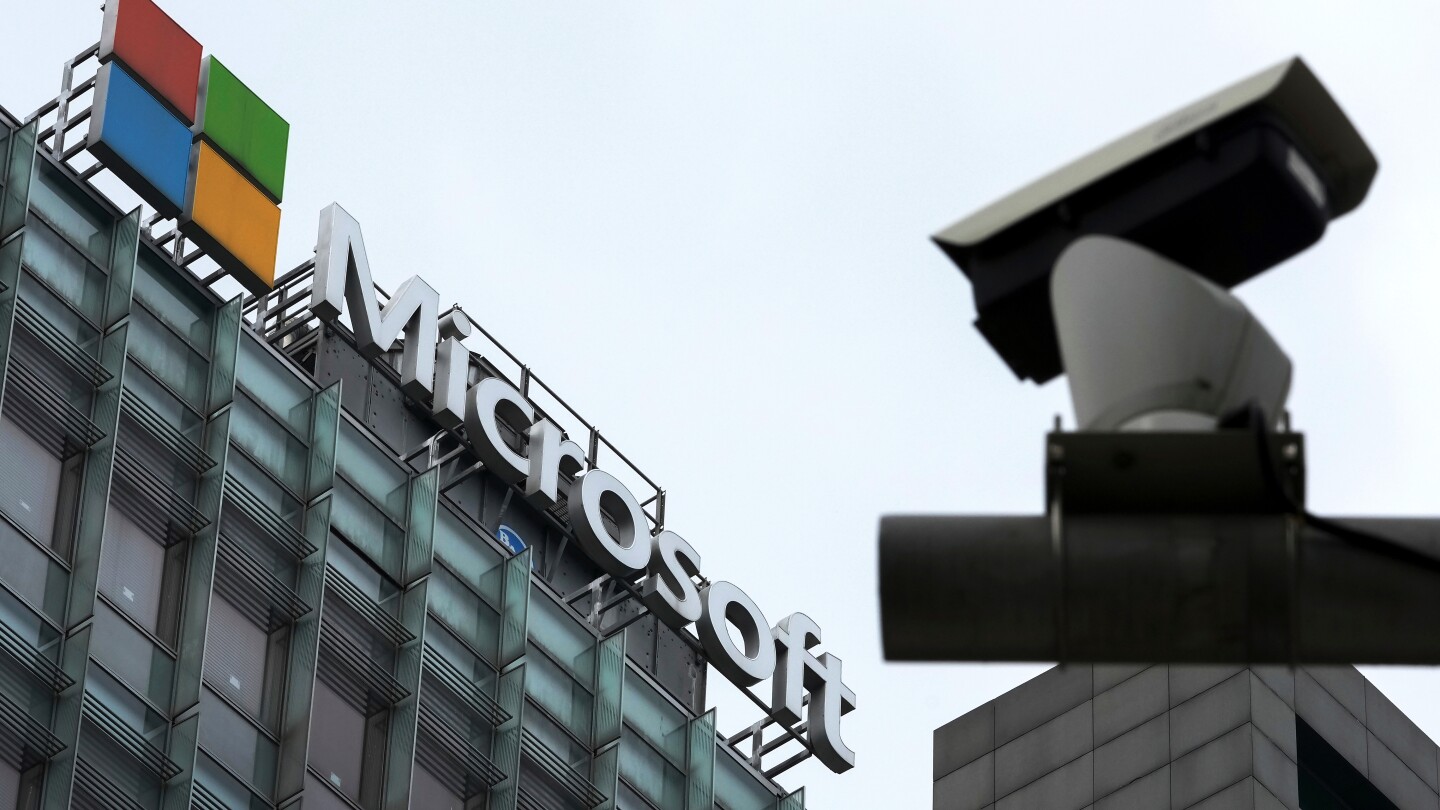
A recent report by Microsoft reveals a significant surge in the use of artificial intelligence (AI) by adversarial nations and criminal entities to orchestrate cyberattacks and disseminate disinformation. The findings, published in Microsoft’s annual digital threats report, highlight over 200 instances of AI-driven fake content creation in July alone—a stark increase compared to previous years. Russia, China, Iran, and North Korea are at the forefront of this trend, leveraging AI to automate cyberattacks, craft convincing phishing emails, and even generate digital clones of high-ranking officials. These tactics are employed to infiltrate sensitive systems, disrupt critical services, and spread inflammatory disinformation. Amy Hogan-Burney, Microsoft’s Vice President for Customer Security and Trust, emphasized the urgent need for robust cybersecurity measures as attackers increasingly target governments, businesses, and vital infrastructure like hospitals and transportation networks. Despite the escalating threats, many U.S. organizations continue to rely on outdated defenses. The U.S. remains the primary target for cyberattacks, followed by Israel and Ukraine, reflecting the spillover of geopolitical conflicts into the digital domain. While adversarial nations deny their involvement in cyber espionage, evidence suggests otherwise. North Korea, for instance, has pioneered the use of AI personas to create fake American identities, enabling hackers to infiltrate remote tech jobs and steal sensitive data. Nicole Jiang, CEO of Fable, a San Francisco-based security firm, underscored the dual role of AI in both enabling cyberattacks and defending against them. As AI continues to evolve, the digital landscape is poised for an intensified cat-and-mouse game between attackers and defenders.
Microsoft: Russia, China increasingly using AI to escalate cyberattacks on the US