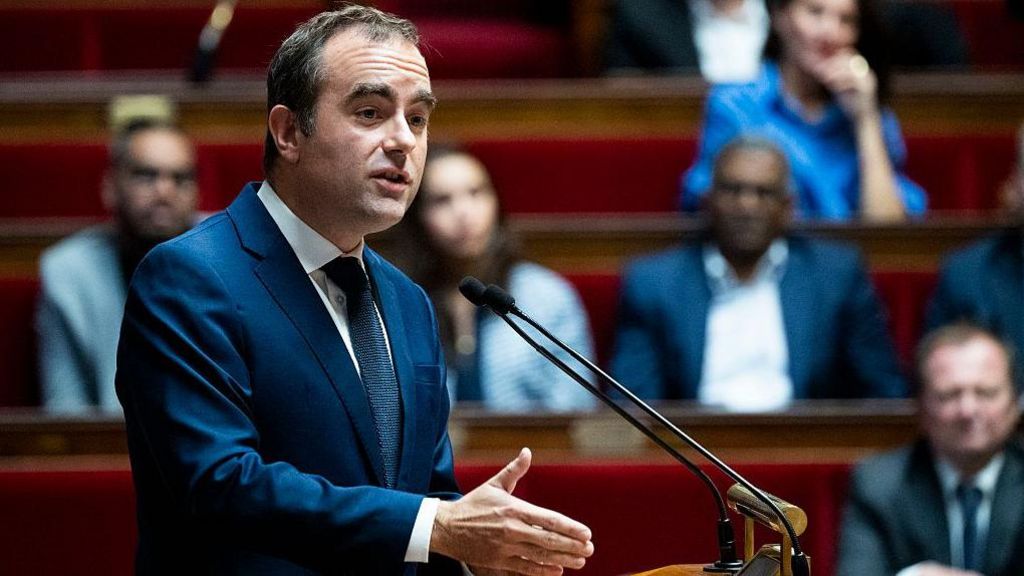
France’s newly appointed Prime Minister, Sébastien Lecornu, has narrowly survived two no-confidence motions tabled by opposition parties, marking a turbulent start to his tenure. In a closely contested vote, a motion led by the far-left fell 18 votes short of the 289 required to oust him. This victory provides Lecornu with temporary respite, allowing him to focus on passing the 2026 budget. However, challenges persist as both the far-left and far-right remain determined to destabilize his government. The Socialists, who supported Lecornu in this round, have signaled they will not be as lenient in future votes. Lecornu’s survival hinges on significant concessions to the left, including freezing President Emmanuel Macron’s key economic reform—raising the retirement age to 64—and relinquishing the use of the constitutional tool 49:3, which allows governments to bypass parliamentary votes. This shift in power reflects the waning influence of Macron’s presidency since his controversial dissolution of parliament in July 2024. Critics argue that these compromises undermine France’s fiscal discipline, jeopardizing efforts to reduce the deficit to 4.7% of GDP by 2026. The political gridlock has fueled public disillusionment, with Macron’s approval ratings plummeting to 14%. Analysts warn that France’s political instability could have far-reaching implications for Europe and beyond, as international observers express concern over the nation’s economic and strategic future.