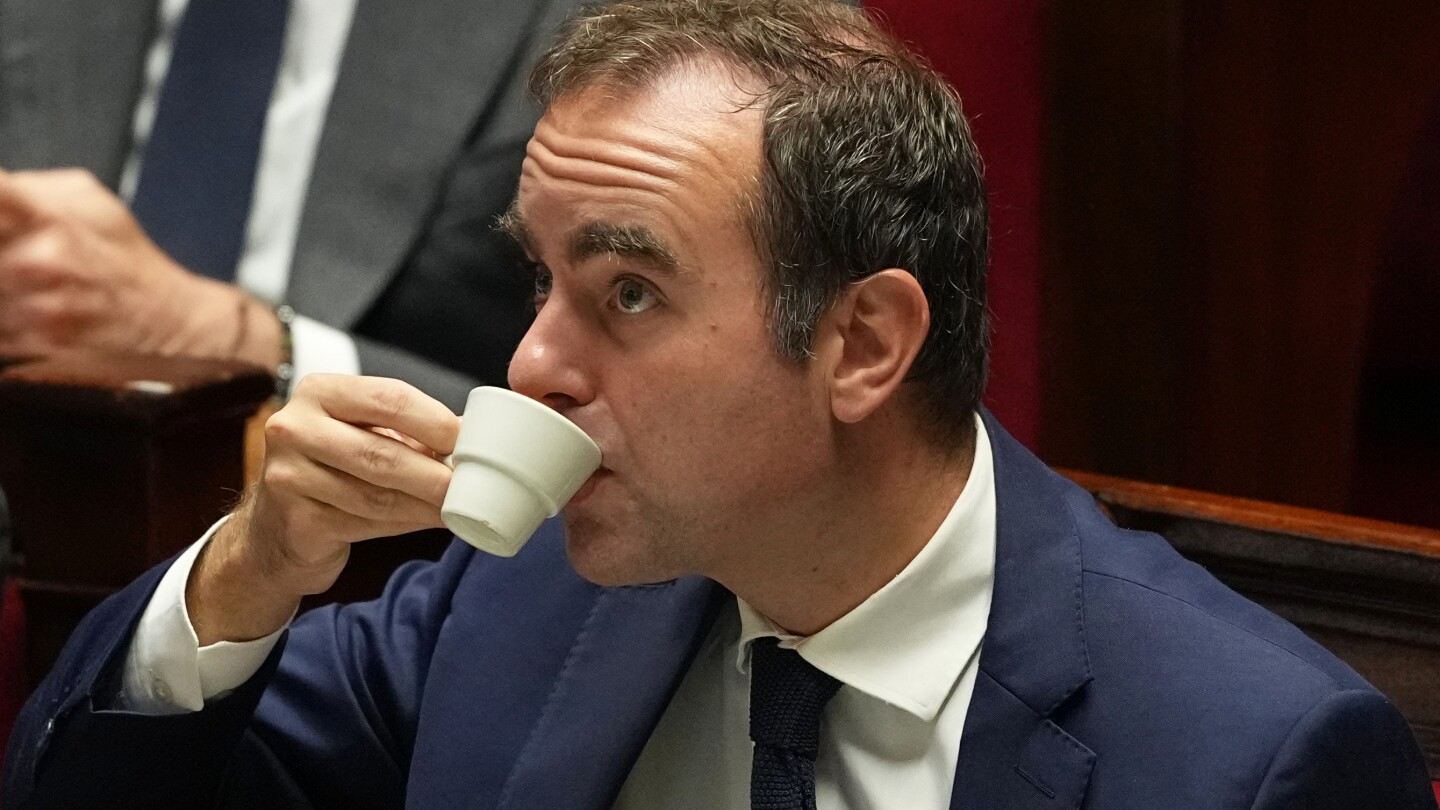
In a critical political showdown, French Prime Minister Sébastien Lecornu narrowly survived a no-confidence vote on Thursday, averting the collapse of his fragile government and preventing further political instability in France. The National Assembly’s decision allows Lecornu to focus on the daunting task of passing the 2026 budget for the European Union’s second-largest economy through a deeply divided Parliament. The vote also spared President Emmanuel Macron from the risky prospect of dissolving the National Assembly and calling snap elections, a move he had hinted at if Lecornu’s government fell. Two no-confidence motions were filed by Macron’s staunch opponents: the hard-left France Unbowed party and Marine Le Pen’s far-right National Rally. The first motion, led by France Unbowed, failed with 271 votes, falling short of the 289 required for a majority. The second motion, initiated by Le Pen, is also expected to fail, as left-wing lawmakers are unlikely to support it. Despite his survival, Lecornu remains in a precarious position. To secure votes, he offered to suspend the highly contentious pension reform, which raises the retirement age from 62 to 64. This concession swayed some opposition lawmakers to withhold support for his ouster, at least temporarily. However, future no-confidence motions could gain traction if budget negotiations—expected to be fraught with conflict—fail to meet opposition demands. Lecornu has pledged not to use constitutional powers to bypass Parliament, a tactic employed by Macron’s government to enforce the pension reform despite widespread protests. Achieving consensus on tax hikes, spending cuts, and other measures to address France’s soaring deficit and debt will prove exceptionally challenging.
Embattled French PM Sébastien Lecornu survives no-confidence vote in Parliament