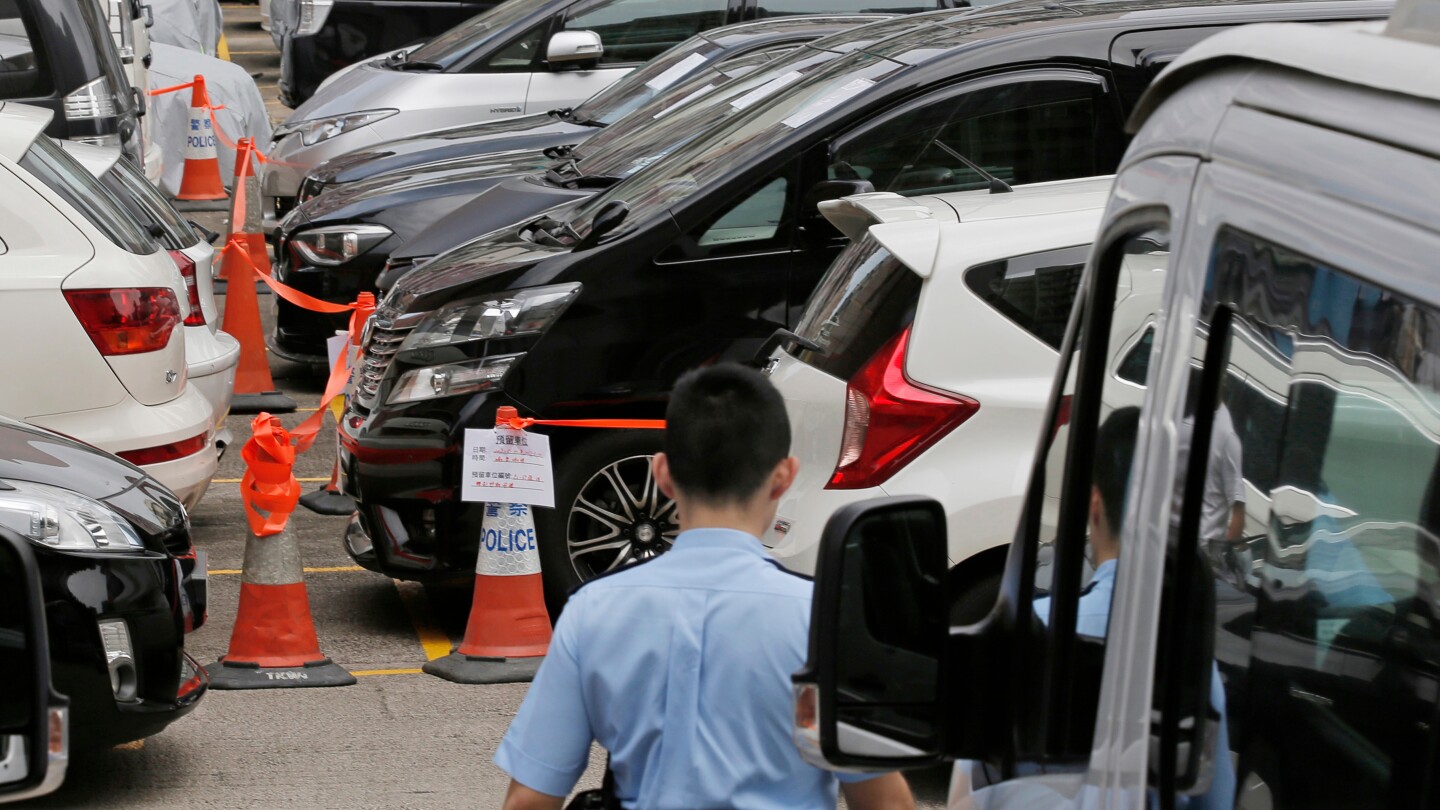
Hong Kong has taken a significant step toward regulating its ride-hailing industry with the passage of a new bill on Wednesday. The legislation mandates that platforms like Uber, along with their vehicles and drivers, must obtain licenses to operate legally. This move comes after years of tension between the city’s taxi industry and online ride-hailing services. The first licensed platforms are expected to launch by late 2026 at the earliest. Under the new rules, Hong Kong’s transport commissioner will evaluate applicants based on their experience, financial capacity, and planned investments in the region. Licensed companies must ensure their services are ‘proper and efficient’ and that all vehicles and drivers on their platforms hold valid permits. Drivers must meet specific criteria, including being at least 21 years old, holding a private car driving license for at least one year, and having no serious traffic convictions within the past five years. Additionally, they must pass a test and complete a pre-service course. The bill represents a pivotal moment in the development of ride-hailing services in Hong Kong, where private vehicles have been prohibited from offering paid services without a permit. Uber Hong Kong welcomed the decision, calling it a ‘significant milestone’ in integrating ride-sharing into the city’s transport system. However, the legislation also imposes strict penalties for non-compliance, including fines of up to 1 million Hong Kong dollars (approximately $128,600) and a maximum jail term of one year for unlicensed operators. The government plans to introduce a cap on the number of ride-hailing vehicles, with details to be outlined in subsidiary legislation next year. This framework aims to balance the interests of traditional taxi companies and the growing demand for modern, convenient transportation options.