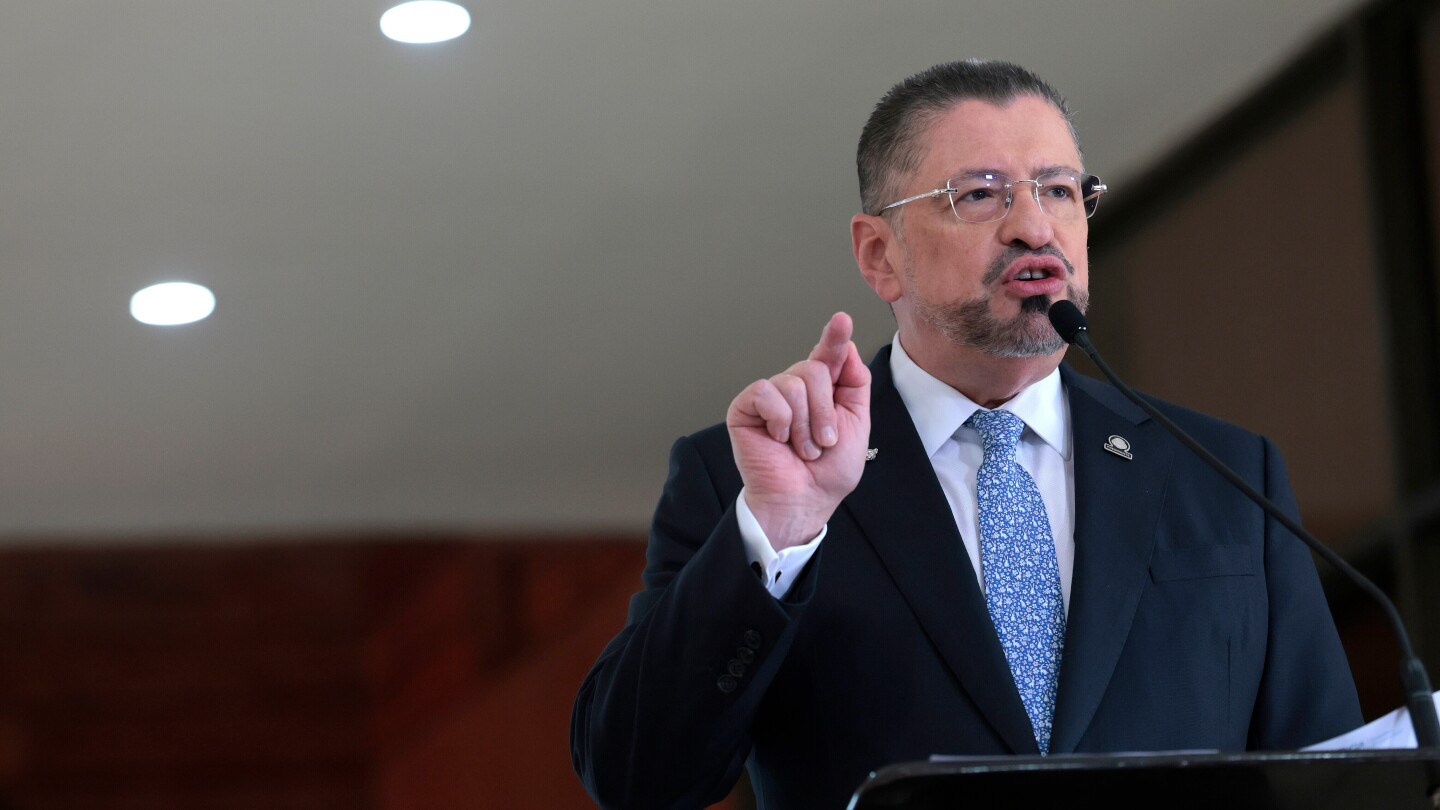
In a significant policy shift, Costa Rica’s President Rodrigo Chaves has further restricted access to abortion, limiting it strictly to situations where the mother’s life is in imminent danger. The decision, announced on Wednesday, eliminates the previous allowance for abortions when a pregnancy posed a threat to the mother’s health. This change was implemented through the Health Ministry without requiring legislative approval, fulfilling a promise Chaves made to religious conservatives at the Evangelical Alliance earlier this month. During a press conference, Chaves emphasized that abortion is now permissible only when there is a direct choice between the mother’s life and the life of the fetus. This move aligns Costa Rica with other Central American nations like Honduras, El Salvador, and Nicaragua, which maintain stringent abortion bans, while Guatemala permits abortion only when the mother’s life is at risk. The Evangelical Alliance praised the decision, with its president, Pastor Ronald Vargas, calling it a step toward recognizing the universal value of human life. However, critics argue that the policy change is politically motivated, aimed at appealing to conservative voters ahead of next year’s presidential elections. Laura Valenciano, a human rights advocate with the NGO Citizen Association ACCEDER, criticized the move, stating that it disproportionately burdens women and undermines their rights. Costa Rica has historically banned most abortions, with limited exceptions that were only vaguely defined until a 2019 regulation clarified that abortions could be performed if the mother’s health was at risk. Valenciano noted that she is unaware of any abortions carried out under this exception during Chaves’ presidency and called for transparency regarding the data. Chaves, who faced allegations of sexual harassment during his tenure at the World Bank, has consistently denied the accusations. His presidency has been marked by controversy, and this latest decision has reignited debates over women’s rights and political motivations in Costa Rica.