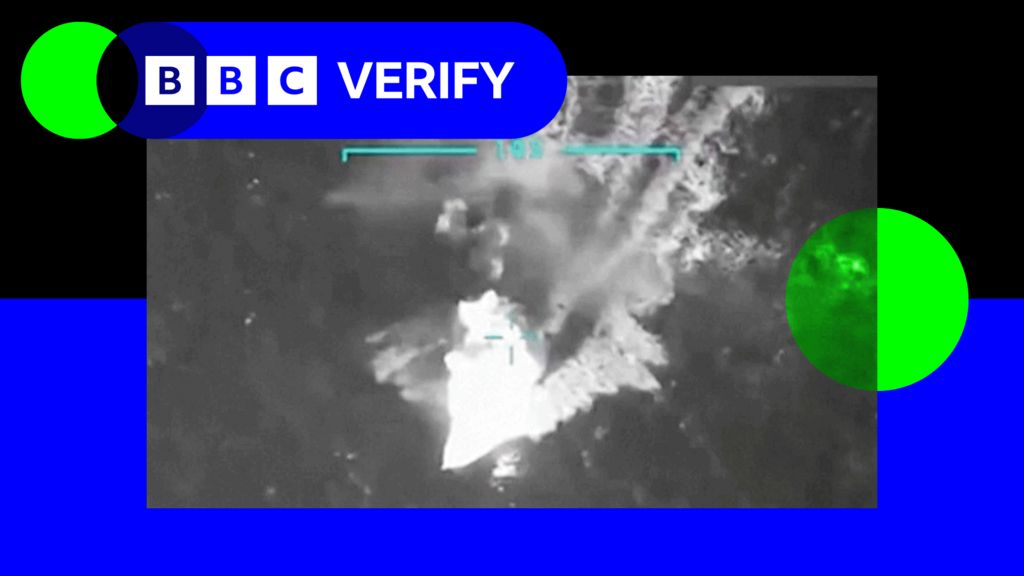
The United States has conducted a series of military strikes in the Caribbean Sea, targeting vessels allegedly involved in drug trafficking. President Donald Trump announced the first of these strikes in September, claiming that a boat operated by the Tren de Aragua cartel, departing from Venezuela and carrying drugs bound for the US, had been destroyed. Subsequent strikes have been accompanied by grainy footage, though US officials have not provided concrete evidence of drug trafficking or detailed information about the vessels targeted. These actions have sparked regional condemnation and raised significant legal and ethical questions. Colombian President Gustavo Petro disputed one strike, asserting that the targeted boat was Colombian with Colombian citizens onboard, a claim denied by the White House. Legal experts have questioned the legality of the strikes under international maritime law, particularly the United Nations Convention on the Law of the Sea, which the US has not signed but claims to follow. Professor Luke Moffett of Queen’s University Belfast noted that while force can be used to stop a boat, it should generally be non-lethal and must be reasonable and necessary in self-defense. Critics argue that labeling individuals as narco-terrorists does not make them lawful military targets, and the US is not engaged in an armed conflict with Venezuela or the Tren de Aragua cartel. A leaked memo to Congress reportedly stated that the Trump administration considers the US to be in a ‘non-international armed conflict’ with drug cartels. Despite support from some Republicans, including Senator Lindsey Graham, who praised the strikes as a sign of strong leadership, concerns have been raised about compliance with US law, particularly the War Powers Resolution, which requires consultation with Congress before military action. Venezuela’s President Nicolás Maduro has denied involvement in drug trafficking and condemned the strikes, which come amid reports of increased US naval presence in the region. The USS Lake Erie, USS Gravely, USS Jason Dunham, and USS Fort Lauderdale have been identified in the Caribbean, supporting anti-narcotics operations. Trump has also offered a $50 million reward for information leading to Maduro’s arrest, further escalating tensions between the two nations.
US strikes on ‘Venezuela drug boats’: What do we know, and are they legal?