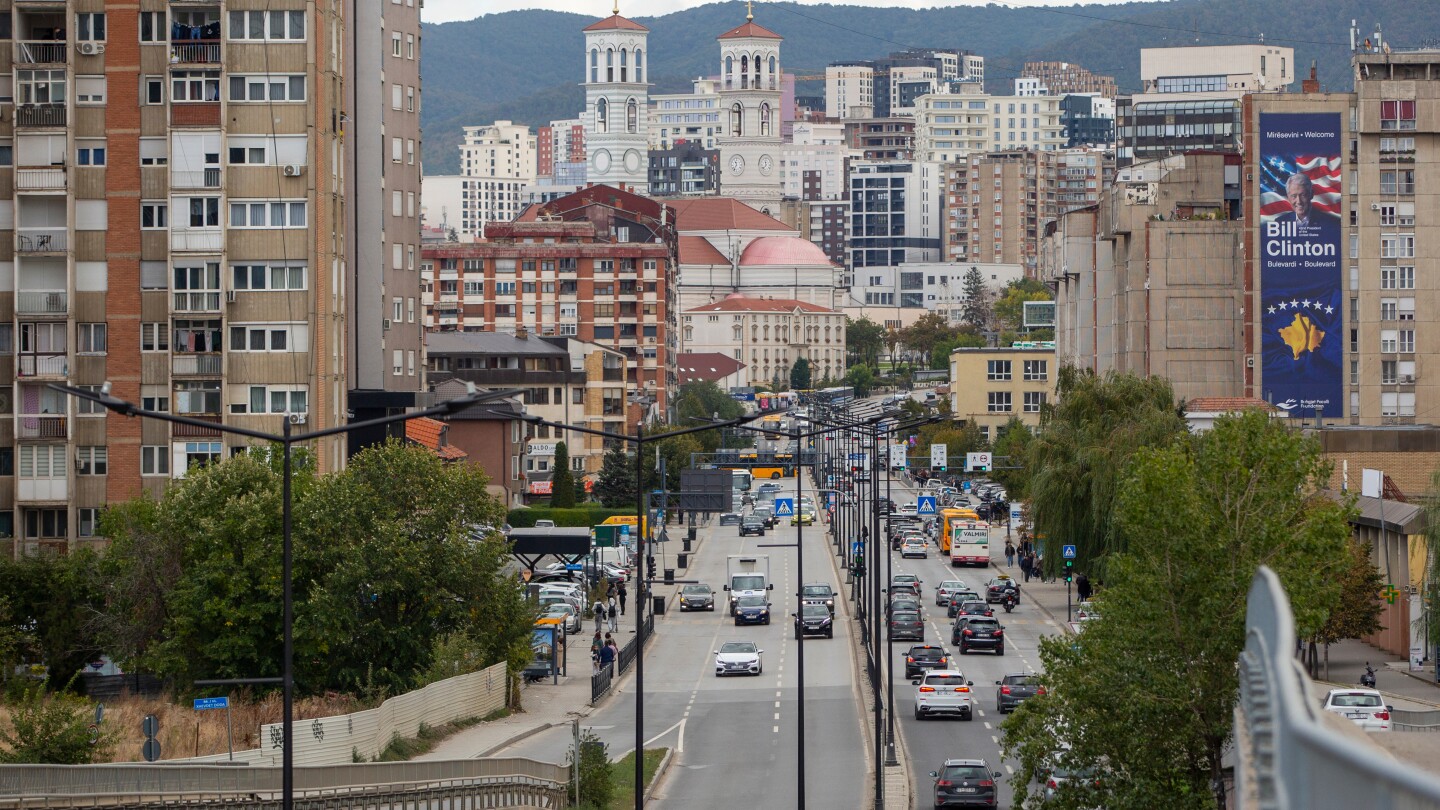
PRISTINA, Kosovo — Kosovo is conducting municipal elections on Sunday, with the left-wing governing party, Vetevendosje!, aiming to secure control of the capital’s city hall. This election unfolds against a backdrop of persistent political tensions and strained relations with Serbia. Approximately 2.1 million registered voters are casting ballots to elect mayors in 38 municipalities and around 1,000 local council members. Preliminary results are anticipated by midnight, though many races are expected to proceed to runoffs in about a month, mirroring previous elections. The most closely contested race is in Pristina, where Vetevendosje!’s candidate, former culture minister Hajrulla Çeku, is challenging incumbent Perparim Rama of the conservative Kosovo Democratic League. Vetevendosje! seeks to capitalize on its performance in February’s parliamentary election, where it secured 48 seats in the 120-member legislature, though it fell short of a governing majority. The elections in the Serb-majority north are particularly significant, with Srpska Lista, the dominant Serb party aligned with Serbian President Aleksandar Vucic, expected to retain control of its strongholds. The vote follows Kosovo’s Parliament resolving an eight-month political deadlock by electing its full leadership, including a representative from the ethnic Serb minority. Acting Prime Minister Albin Kurti, Vetevendosje!’s leader, has been tasked with forming a new Cabinet within 15 days, a challenging endeavor as other major parties have yet to engage in coalition talks. Kurti faces mounting pressure to stabilize domestic politics, address economic challenges, and revive EU-mediated normalization talks with Serbia. Kosovo’s independence remains a contentious issue in the Balkans, with Serbia, backed by Russia and China, refusing to recognize it. The 1998–1999 war, which claimed approximately 11,400 lives, predominantly ethnic Albanians, ended after NATO’s intervention forced Serbian forces to withdraw. While most Western nations acknowledge Kosovo’s statehood, the region’s political landscape remains fraught with complexity.
Kosovo holds municipal elections with the governing party aiming for Pristina city hall