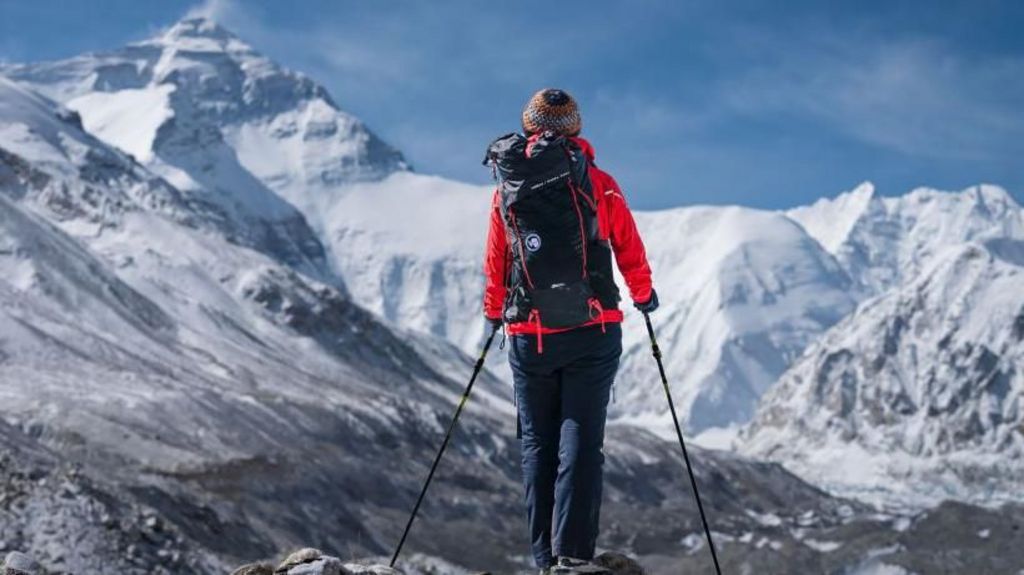
The autumn hiking season in the Himalayas, once characterized by clear skies and breathtaking views of snow-draped peaks, is now increasingly marred by extreme weather events. Meteorologists report that the monsoon season, traditionally ending by mid-September, now extends into October, bringing with it dangerous conditions. Last weekend, a sudden blizzard stranded hundreds of tourists near the eastern face of Mount Everest at an altitude of over 4,900 meters. Despite a well-coordinated rescue effort that saved nearly 600 trekkers, one person succumbed to hypothermia and altitude sickness. Similar incidents occurred on the Nepal side, where a South Korean mountaineer died on Mera Peak. Communication lines were severely disrupted by torrential rains and heavy snowfall, delaying the dissemination of information. Landslides and flash floods in Nepal have claimed around 60 lives in the past week. Riten Jangbu Sherpa, a mountain guide, noted that such extreme weather is highly unusual for October, a month typically known for clear skies. Archana Shrestha, deputy director general at Nepal’s department of hydrology and meteorology, highlighted that the past decade has seen monsoons lasting until the second week of October, a significant shift from historical patterns. The interaction between the monsoon and westerly disturbances, which bring cold air from the Mediterranean, is exacerbating these conditions. Scientists warn that this trend is likely to continue, making flexible scheduling and experienced leadership crucial for safe Himalayan expeditions.