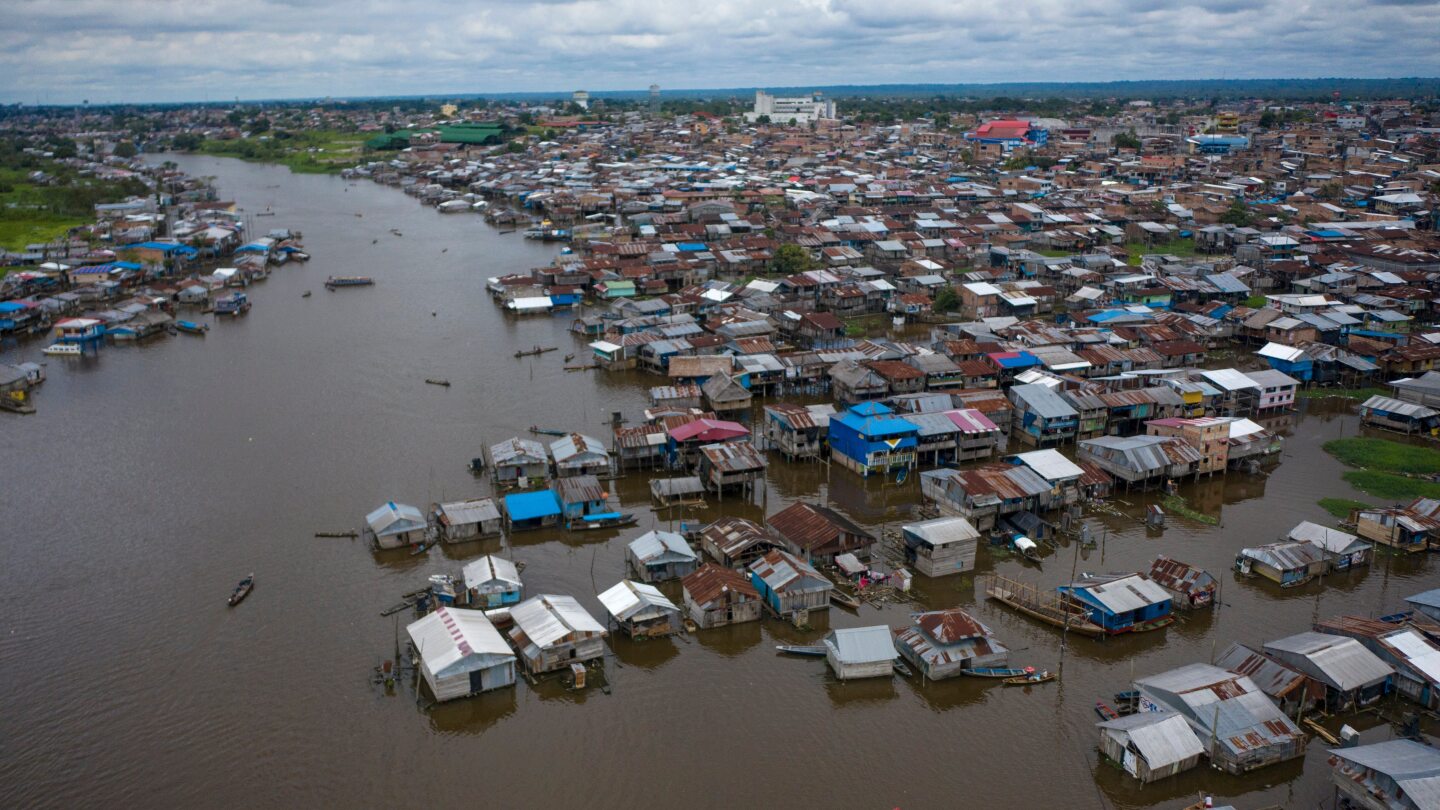
In a landmark decision, the Andean Community, a South American trade bloc comprising Peru, Colombia, Ecuador, and Bolivia, has ruled that Peru is failing to meet its commitments to combat illegal gold mining and mercury trafficking. The ruling, issued on Monday, comes in response to complaints from Indigenous groups who allege that their Amazon rivers and food supplies are being poisoned by mercury contamination. This marks the first time the bloc has formally ruled against a member country in such a case, signaling a heightened effort to address the escalating environmental and health crisis. The Andean Community has ordered Peru to urgently reform its laws, confiscate mining equipment, and cease extensions of a registry for informal miners, which critics argue facilitates illegal activities. Peru has 20 working days to comply and report its actions, or face potential binding trade sanctions from the bloc’s Tribunal of Justice. Illegal gold mining has proliferated across the Amazon due to soaring global demand and rising gold prices, with analysts predicting gold could reach $4,000 per ounce by 2026. Mercury, used extensively in gold extraction, contaminates waterways, accumulates in fish, and poses severe health risks, particularly to children and pregnant women. The complaint was filed in June by Indigenous and rural communities from the Nanay River basin, where hair samples have revealed mercury levels far exceeding World Health Organization safety limits. Peruvian environmental lawyer César Ipenza emphasized the ruling’s significance, stating it sends a message to other countries to respect the right to a healthy environment. He warned that non-compliance could result in economic sanctions, such as tariffs on Peruvian products within the bloc. Despite occasional crackdowns, including the 2019 “Operation Mercury” and a record seizure of contraband mercury earlier this year, enforcement remains inconsistent, with corrupt networks enabling the illegal trade. The ruling also calls for stricter due diligence mechanisms to ensure gold traded internationally does not originate from environmental destruction or human rights violations.
South American trade bloc orders Peru to crack down on mercury trafficking and illegal gold mining