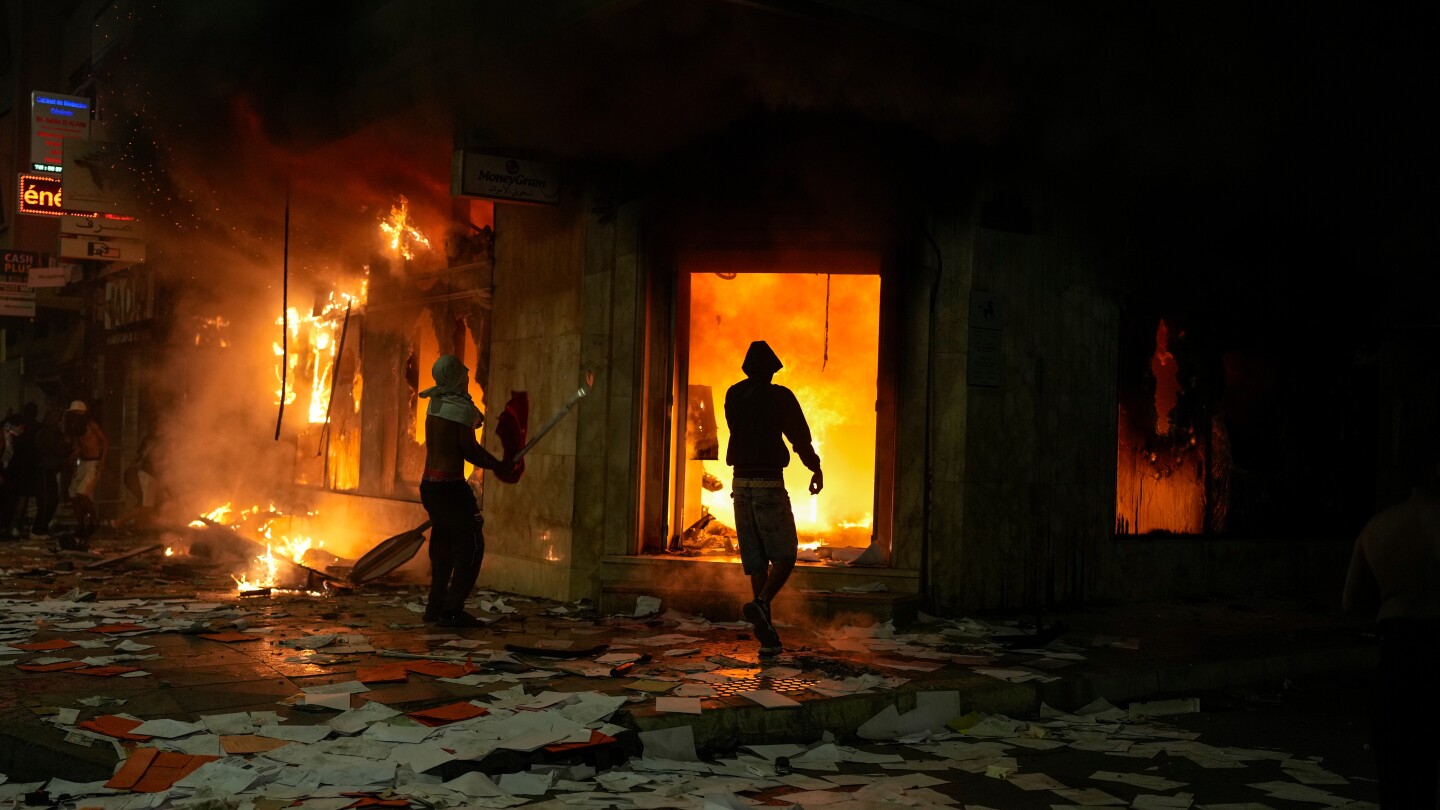
For the sixth consecutive night, youth-led demonstrations swept across Morocco, with protesters demanding improved public services and the resignation of Prime Minister Aziz Akhannouch. The unrest, which began peacefully, turned violent on Wednesday when police fatally shot three individuals in Leqliaa, a town near Agadir. Authorities claimed the victims were attempting to seize police weapons, though witnesses have yet to corroborate this account. The protests, organized by the Gen Z 212 movement, have spread to over a dozen cities, including Casablanca, with participants decrying corruption and inadequate funding for schools and hospitals. Despite the government’s pledge to engage in dialogue, tensions remain high as demonstrators contrast the billions spent on World Cup preparations with the dire state of public infrastructure. The recent deaths of eight women in an Agadir hospital have further fueled outrage over the declining health system. As Morocco prepares to host the Africa Cup of Nations and approaches its 2026 parliamentary elections, the protests highlight deep-seated regional disparities and widespread disillusionment. Over 1,000 arrests have been reported, with human rights groups condemning the use of force. The Gen Z 212 movement has urged peaceful demonstrations, but clashes continue to erupt, particularly in underdeveloped regions. These protests echo similar unrest in countries like Nepal, Kenya, and Madagascar, underscoring a global wave of youth-led activism.
Morocco’s youth-led protests demand better schools and hospitals, prime minister resignation