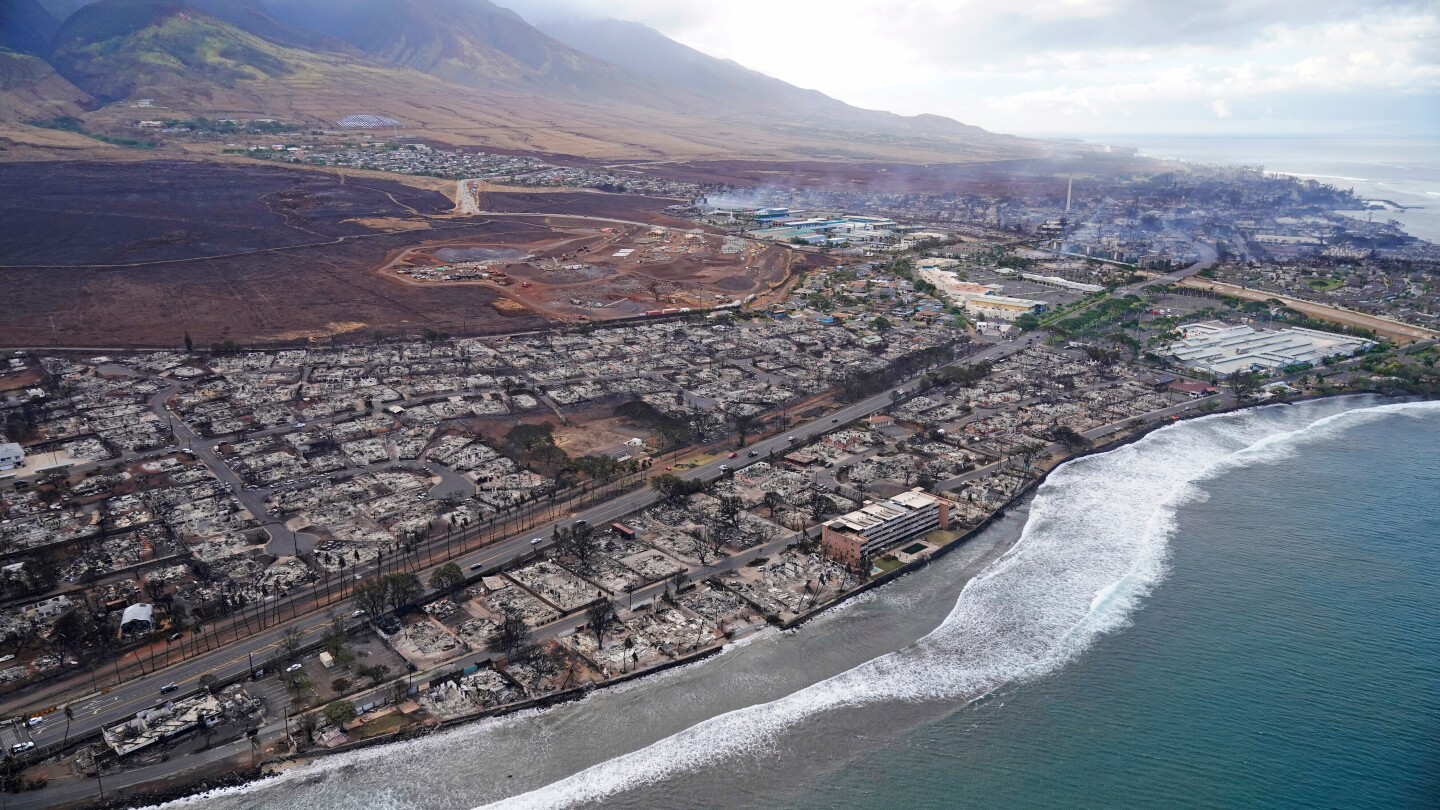
A groundbreaking study published in the journal *Science* has revealed that the frequency of the world’s most destructive wildfires has quadrupled since the 1980s, driven by human-induced climate change and the encroachment of urban areas into wildlands. The research, conducted by a team of international fire scientists from Australia, the United States, and Germany, shifts the focus from the traditional metric of acres burned to the economic and human toll of these disasters. By analyzing the 200 most damaging wildfires since 1980, the study found that these catastrophic events have increased by 4.4 times over the past four decades, with 43% occurring in the last ten years alone. The findings underscore a “climate-linked escalation of societally disastrous wildfires,” according to lead author Calum Cunningham, a pyrogeographer at the University of Tasmania. The study highlights that extreme fire weather conditions—hot, dry, and windy—are becoming more frequent due to the burning of fossil fuels, exacerbating the risk of devastating fires. Additionally, the expansion of urban areas into fire-prone regions, known as the wildland-urban interface, has further amplified the crisis. Cunningham emphasized that while wildfires are a natural phenomenon, human activities have significantly intensified their frequency and severity. The research also noted that economic data on wildfires is often inaccessible, complicating global assessments. However, by combining insurance data from Munich Re with the International Disaster Database, the team was able to provide a comprehensive analysis. Experts not involved in the study, such as Jacob Bendix of Syracuse University and Mike Flannigan of Thompson Rivers University, praised the research for its innovative approach and warned that the trend of increasing extreme fire weather poses a dire challenge for the future. The study calls for urgent action to mitigate climate change and improve wildfire preparedness to prevent further loss of life and economic devastation.
Study shows the world is far more ablaze now with damaging fires than in the 1980s