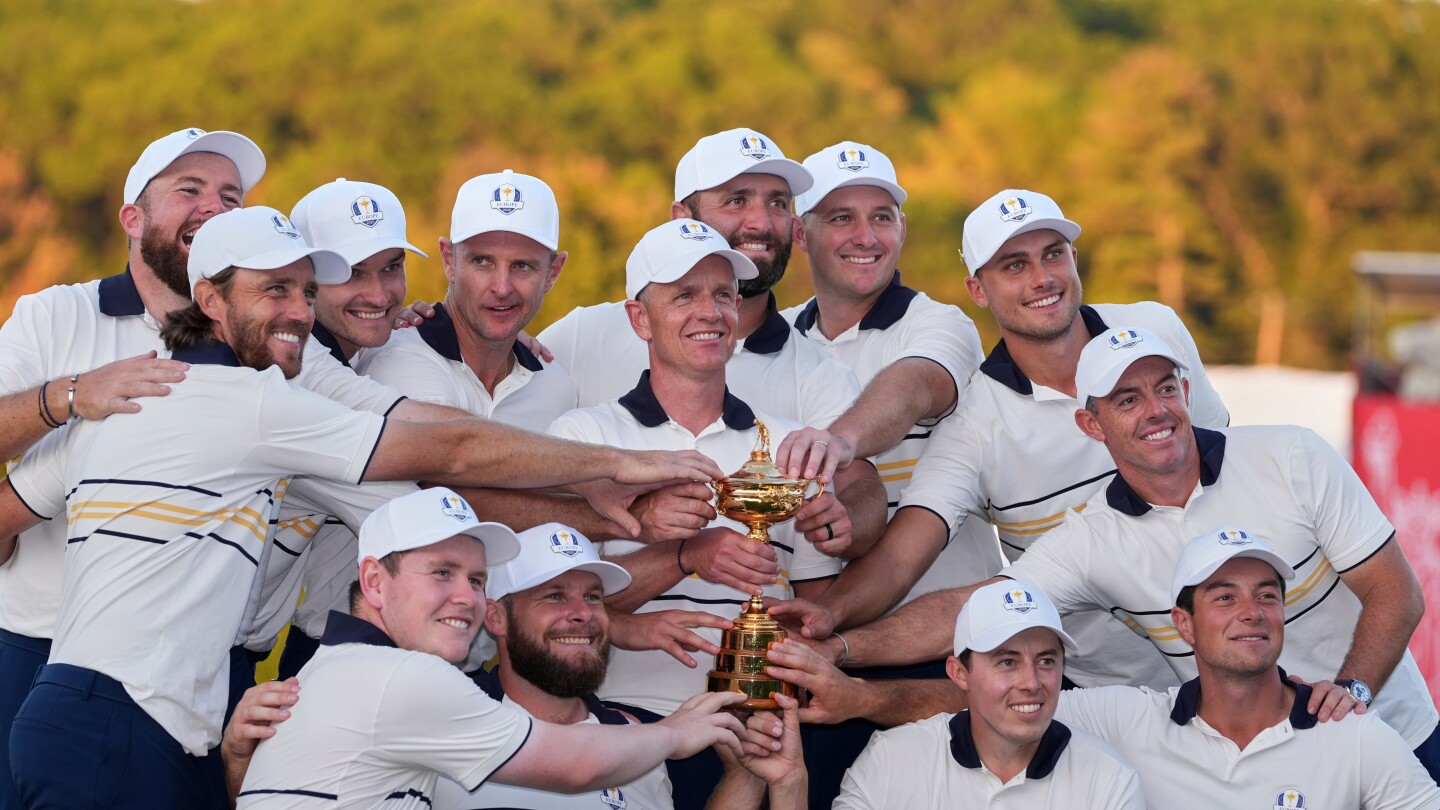
The U.S. Ryder Cup team’s woes persist, with no clear path forward following yet another defeat to Europe. The aftermath of the 2014 loss in Scotland, where Tom Watson’s captaincy was heavily criticized, led to the formation of a task force aimed at revitalizing the team. Despite initial optimism from players like Phil Mickelson, who envisioned a long-term blueprint for success, the Americans have only managed to win two of the last five Ryder Cups. Europe, on the other hand, continues to dominate, practically owning the competition. The task force was disbanded in 2015, replaced by a Ryder Cup committee, but the system remains flawed. The PGA of America, which oversees the biennial event, has struggled to align with the PGA Tour, leading to a disconnect with players. Paul Azinger, who successfully captained the U.S. team in 2008, has been notably absent from Ryder Cup matters since. The roots of these issues trace back to 1968, when a split between touring pros and PGA professionals led to the creation of the modern PGA Tour. The Ryder Cup, once a minor exhibition, has since grown into a high-stakes event, but the U.S. lacks a consistent strategy for success. Mickelson’s move to LIV Golf further disrupted continuity, leaving the PGA of America to consider handing over management to the PGA Tour, which has more expertise and player relationships. While this may not guarantee a turnaround, it could be a step in the right direction.