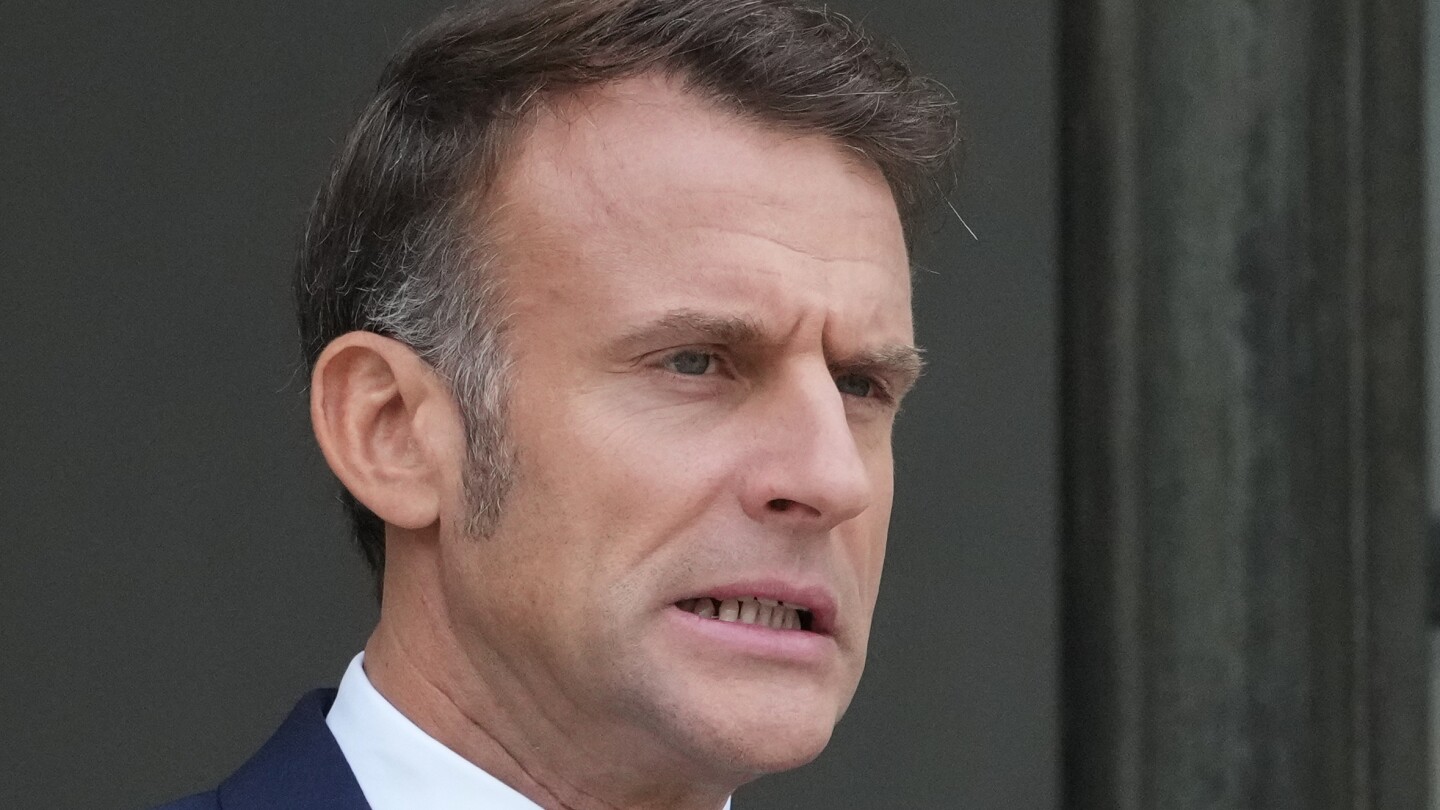
French President Emmanuel Macron has reappointed Sebastien Lecornu as prime minister, just days after his resignation, in a desperate attempt to resolve the country’s political gridlock and address its mounting economic challenges. Lecornu’s reappointment follows intense negotiations and comes amid growing concerns over France’s economic stability and ballooning public debt, which has alarmed both domestic and European Union stakeholders. Macron’s decision is widely viewed as a last-ditch effort to salvage his second term, which has been marred by political infighting and a lack of parliamentary majority. Lecornu, who resigned earlier this week after his newly formed Cabinet faced opposition from key coalition partners, has been tasked with forming a government and delivering a budget by year-end. In a statement, Lecornu emphasized his commitment to addressing France’s economic woes and restoring political stability. However, his reappointment has drawn skepticism from opposition leaders, who argue that Macron’s centrist approach lacks the necessary support to govern effectively. The political crisis stems from Macron’s decision to dissolve the National Assembly in June 2024, which resulted in a hung parliament and paralyzed legislative progress. With France’s public debt reaching 114% of GDP and poverty rates hitting a record high, the stakes for Lecornu’s success are immense. Investors and EU officials are closely monitoring the situation, as France’s instability threatens to undermine its economic recovery and EU fiscal rules.
France’s Macron asks newly resigned Prime Minister Lecornu to try again to form a government