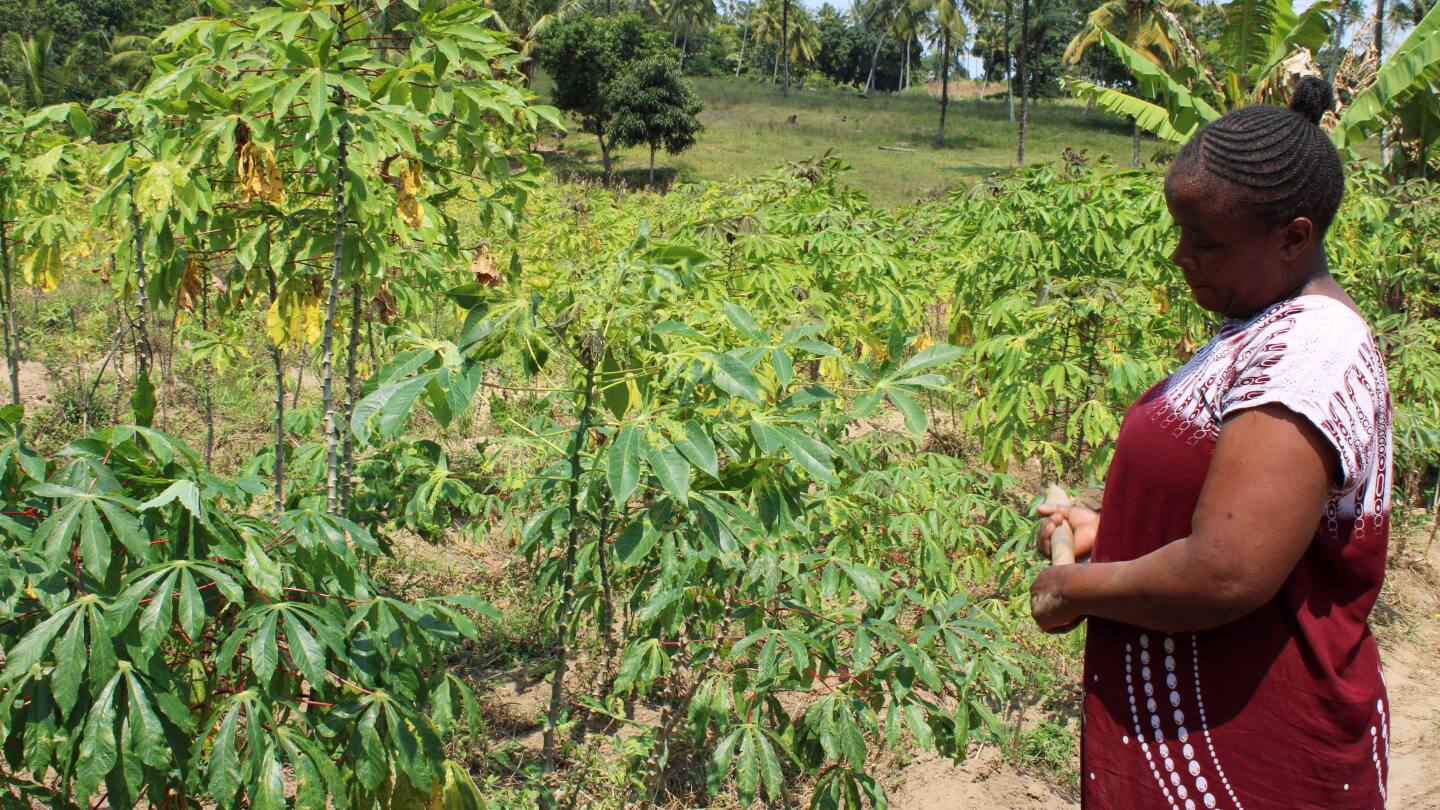
In the arid landscapes of Kilifi County, Kenya, the daily struggle to secure food and water is a relentless burden, particularly for women who shoulder the majority of household responsibilities. The region, one of Kenya’s poorest, faces the dual challenges of poverty and a changing climate, which exacerbates the stress and anxiety of its residents. Women traverse miles with buckets of water, while maize crops wither under the scorching sun, leaving families with little to sustain themselves. This dire situation has profound implications for mental health, especially among women, who are often the primary caregivers in their families. Zul Merali of The Aga Khan University, which has established a local institute for mental and brain health, highlights the immense pressure these women endure. “They are responsible for ensuring their families are fed, yet they face constant uncertainty due to unpredictable weather patterns,” he explains. Kilifi County is one of Kenya’s most studied populations, with community health workers conducting monthly visits to assess the well-being of residents. These workers, like Humphrey Kitsao, who oversees 115 households, have witnessed firsthand the devastating impact of climate change on livelihoods. “Farming remains the primary source of income, but yields have drastically declined, leaving families with little to no harvest,” Kitsao notes. Jasmit Shah, a data scientist at The Aga Khan University’s Brain and Mind Institute, has been researching the link between climate change and mental health in rural Kenyan women. His study, which surveyed nearly 15,000 women, revealed alarming correlations between climate shocks—such as droughts and heatwaves—and increased suicidal thoughts. Elizabeth Amina Kadenge, a 41-year-old farmer and mother of four, exemplifies this struggle. Her maize crops have failed repeatedly due to erratic weather, leaving her family without food or income. To cope, she has turned to planting cassava, a more resilient crop, but its long growth cycle means families often harvest it prematurely for food, sacrificing potential income. Despite these challenges, mental health remains a neglected issue in rural Kenya. Mercy Githara of the Kenya Red Cross emphasizes the need for greater awareness and access to mental health services. “Climate change-induced disasters like droughts and floods have severe psychological impacts, leading to conditions such as depression,” she says. Shah is optimistic about the government’s efforts, including the community health promoters program, which includes mental health training. However, Merali stresses that long-term support is essential. “Climate change is not a temporary crisis; it’s a persistent reality that demands sustained action,” he asserts.