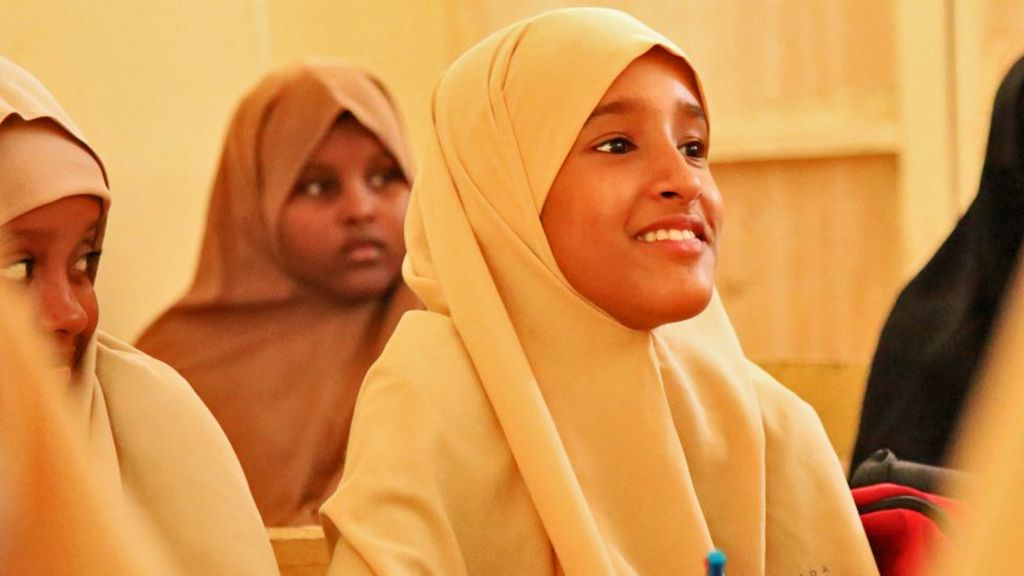
Somalia is set to integrate Swahili, the widely spoken language of East Africa, into its national education system, as announced by President Hassan Sheikh Mohamud. Currently, English serves as the primary medium of instruction in secondary schools across the country, with Arabic being the only other mandatory second language. However, the President emphasized the importance of Swahili for regional integration during the East African Community (EAC) summit held in Mogadishu. Somalia officially joined the EAC last year, aiming to foster economic growth after decades of conflict. Swahili, spoken by over 200 million people globally, is one of the world’s most prevalent languages. President Mohamud highlighted the need for universities, particularly the Somali National University, to prioritize the development of Swahili as a key language for East Africa. Education Minister Farah Sheikh Abdulkadir echoed this sentiment, expressing the government’s vision for Swahili to become a language of communication, trade, and education, potentially replacing English in future conferences. Swahili dialects are already prevalent along Somalia’s southern coast, and its usage has expanded nationwide in recent years, partly due to the civil war that began in 1991. Many Somalis who sought refuge in Kenya have learned Swahili, and with the return of some of these individuals and the presence of African Union troops, the language has gained further traction. Historically, Arabic was the language of instruction in junior schools, while English was used in secondary and tertiary education. Today, the primary school curriculum is taught in Somali, with English remaining the medium for higher education and Arabic used in madrassas. This shift reflects Somalia’s broader efforts to stabilize and integrate into the East African region.