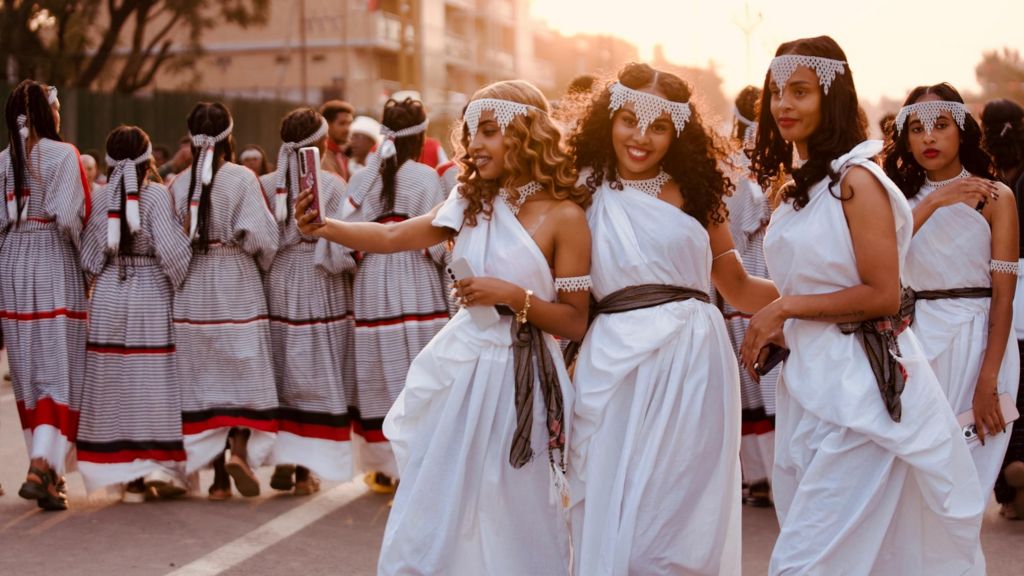
This weekend, the streets of Addis Ababa came alive with the vibrant colors and joyous energy of Ethiopia’s annual Irreecha festival. Tens of thousands of Ethiopians, predominantly from the Oromo ethnic group, gathered to celebrate this traditional thanksgiving event, marking the end of the country’s main rainy season. The festival, deeply rooted in indigenous faith systems, has evolved into a unifying cultural phenomenon that transcends religious and geographical boundaries. Attendees, adorned in elaborate traditional attire and jewelry, gathered around sacred rivers and lakes to express gratitude for the life-giving rains that have transformed the landscape. The air was filled with singing, dancing, and the sharing of stories, while freshly cut grass and flowers were placed in water as symbols of renewal and hope. This year’s celebration was particularly notable for its peaceful and inclusive atmosphere, a stark contrast to past years when the festival was marred by political tensions. The Oromo people, Ethiopia’s largest ethnic group, have historically faced political and economic marginalization, but this year’s Irreecha emphasized unity and cultural pride. The festival’s growing popularity has been fueled in part by social media, with young people documenting their experiences and showcasing the event’s vibrant traditions to a global audience. Among the attendees was Claire from Belfast, Northern Ireland, who returned with her children after being captivated by the festival’s beauty and warmth last year. ‘It is amazing,’ she remarked. ‘Everybody wants to say hello, everyone wants to give you a kiss and say welcome.’ The first day of the festival took place in Addis Ababa, followed by celebrations in Bishoftu, a small town just outside the capital. Irreecha continues to serve as a powerful reminder of Ethiopia’s rich cultural heritage and the resilience of its people.