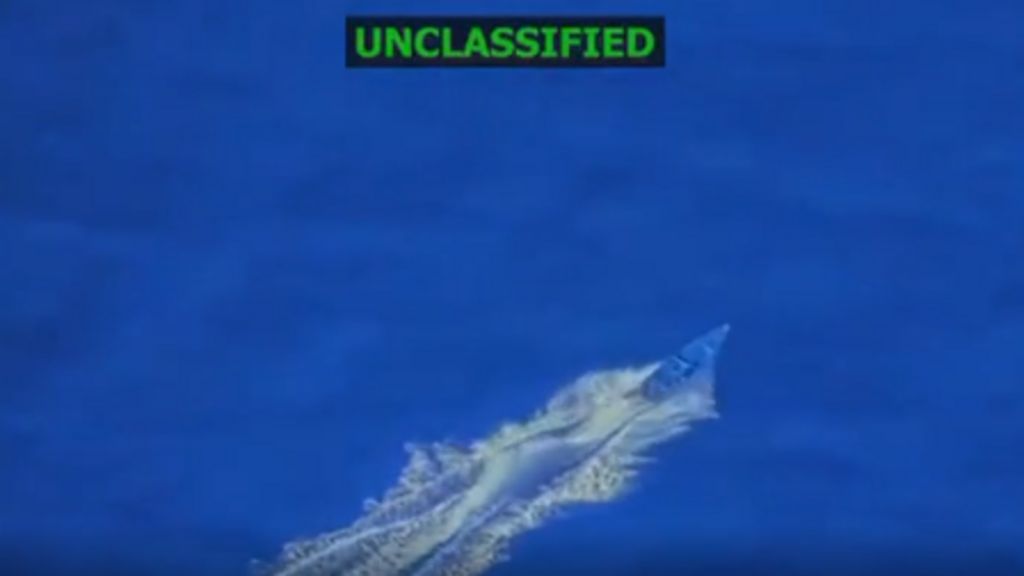
In a recent escalation of its anti-narcotics operations, US forces carried out a deadly strike on a boat off the coast of Venezuela, killing four individuals allegedly involved in drug trafficking. Defence Secretary Pete Hegseth confirmed the attack, stating that the vessel was transporting substantial quantities of narcotics destined for the United States. The strike occurred in international waters within the US Southern Command’s jurisdiction, which spans much of South America and the Caribbean. Hegseth emphasized that the operation was based on confirmed intelligence, labeling those onboard as ‘narco-terrorists’ operating on a known drug trafficking route. This marks the fourth such strike by the US in a month, following previous attacks in the southern Caribbean that resulted in multiple fatalities. US President Donald Trump also commented on the incident via his Truth Social platform, claiming the boat carried enough drugs to ‘kill 25 to 50 thousand people.’ However, the US has yet to provide evidence supporting its claims or disclose the identities of those killed. Venezuela, which has previously condemned such strikes, has not issued an immediate response. President Nicolás Maduro has characterized these actions as US ‘aggression’ and vowed to defend his country. The US government’s recent classification of its operations as a ‘non-international armed conflict’ with drug cartels signals a potential expansion of military action, raising concerns about the legality and implications of such measures. Critics argue that this framing could grant the administration wartime powers, including the ability to detain individuals indefinitely or target ‘enemy fighters’ without immediate threat. Trump has not clarified why drug trafficking is being treated as an ‘armed attack’ or identified specific cartels allegedly targeting the US. This approach mirrors tactics used against al-Qaeda post-9/11 and has drawn criticism from international legal experts who question the strikes’ compliance with international law.