The international architecture governing nuclear non-proliferation is facing unprecedented collapse, according to leading atomic researcher Professor Karen Hallberg. Speaking at the World Laureate’s Summit, the Secretary General of the Pugwash Conferences on Science and World Affairs warned that critical treaties are expiring while nuclear rhetoric escalates among world powers.
The imminent expiration of the New Strategic Arms Reduction Treaty (New START) between Russia and the United States on February 4, 2026, marks a pivotal moment in nuclear diplomacy. This expiration represents the first significant retreat from nuclear restraint in decades, potentially triggering a dangerous escalation in warhead deployment. Professor Hallberg emphasized the alarming lack of public awareness regarding these developments, contrasting current apathy with historical mass protests against nuclear weapons.
Current global nuclear inventories remain concentrated among nine nations, with approximately 12,331 warheads documented by the Federation of Atomic Scientists. Russia and the United States collectively control over 83% of these stockpiles. While overall numbers show a gradual decline, the reduction pace has slowed considerably compared to previous decades.
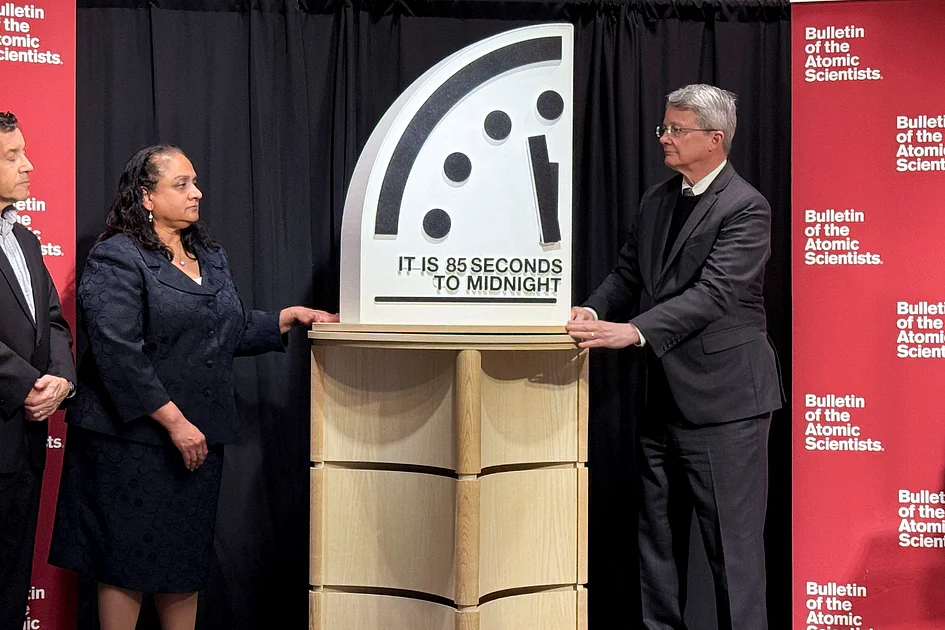
The deteriorating situation prompted The Bulletin of the Atomic Scientists to advance the symbolic Doomsday Clock to 85 seconds before midnight—the closest approach to catastrophic midnight in the mechanism’s history. This adjustment reflects growing concerns about diminished arms control agreements, escalating geopolitical conflicts, and emerging threats from artificial intelligence.
Professor Hallberg’s organization, awarded the Nobel Peace Prize in 1995 for efforts to reduce nuclear weapons’ role in international politics, now warns of a potential new nuclear arms race as more states pursue weapons capabilities. This convergence of diplomatic breakdown and technological advancement creates what experts describe as the most perilous nuclear landscape since the Cold War era.