The United Arab Emirates has announced an extensive preparation strategy for Ramadan 2026, featuring significant infrastructure development, international religious collaboration, and environmental sustainability measures. Dr. Omar Habtoor Al Darei, Chairman of the General Authority of Islamic Affairs, Endowments and Zakat, revealed these plans during the authority’s inaugural media briefing of the year.
The comprehensive initiative includes the construction of 66 new mosques strategically positioned in emerging residential communities to ensure worshipper accessibility. These facilities will be fully equipped with modern amenities to accommodate the spiritual needs of growing populations across all seven emirates.
In a notable environmental effort, the ‘Let’s Plant Our Mosques’ campaign has already distributed 12,500 seedlings across 224 mosques during its initial phase, integrating ecological consciousness with religious practice. This green initiative represents the UAE’s commitment to combining sustainability with spiritual development.
The religious dimension features an international scholarly program under the patronage of the UAE President and oversight of Sheikh Mansour bin Zayed Al Nahyan. Approximately 20 distinguished scholars from twelve nations including Egypt, Oman, Bahrain, Morocco, Mauritania, Jordan, Lebanon, Indonesia, Kazakhstan, India, Pakistan and Bangladesh will participate in Ramadan programs throughout the emirates.
Aligning with the national ‘Year of the Family’ initiative, the authority has designed Ramadan programs emphasizing family and community values. The preparation involved months of coordination, including qualifying human resources, upgrading mosque facilities, and deploying advanced technological tools in cooperation with federal and local partners.
Educational outreach remains a cornerstone of the preparation, with over 260,000 awareness and educational lessons delivered in the preceding year. Special programs like ‘Bil Hikmah’ focused on Ramadan virtues and fasting ethics, while the second edition of the scientific enrichment program strengthened jurisprudential knowledge among imams and preachers.
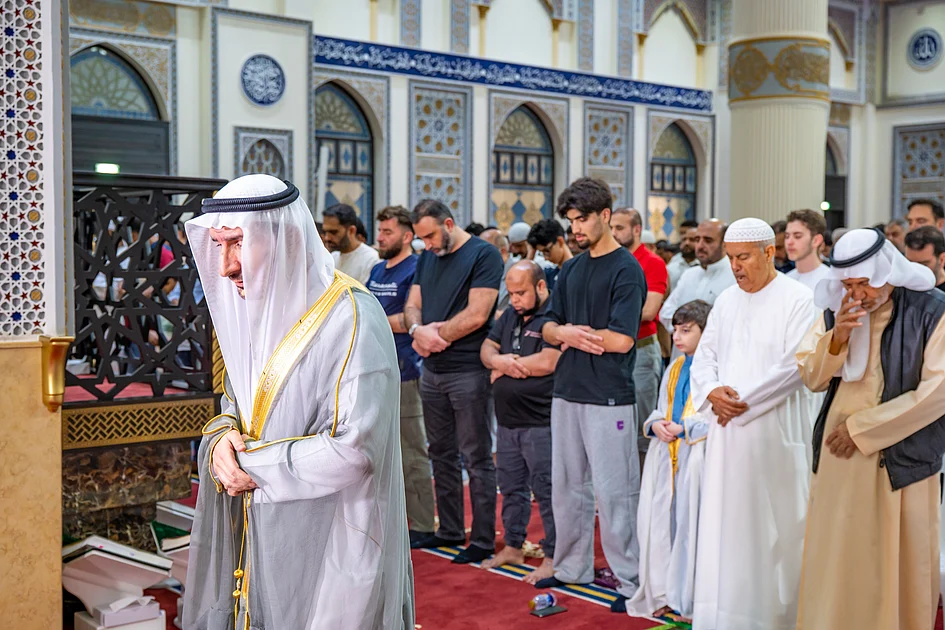
Dr. Al Darei emphasized moderation during Taraweeh prayers, encouraging imams to consider worshippers’ circumstances and embody exemplary conduct. He also called for community responsibility regarding mosque sanctity, parking regulations, and public health considerations during congregational prayers.