Northwest China’s Xinjiang Uygur Autonomous Region is confronting an extreme cold wave, triggering the highest-level red alert within China’s meteorological warning system. The regional meteorological authority escalated its alert from orange to red on Wednesday after forecasting precipitous temperature declines of 16-20°C across western and northern territories.
This severe weather event has produced substantial disruptions, particularly in transportation networks. Regional authorities have suspended service along major railway lines while implementing traffic controls on 84 highway sections. As of Thursday morning, 26 segments had resumed operations amid ongoing clearance efforts.
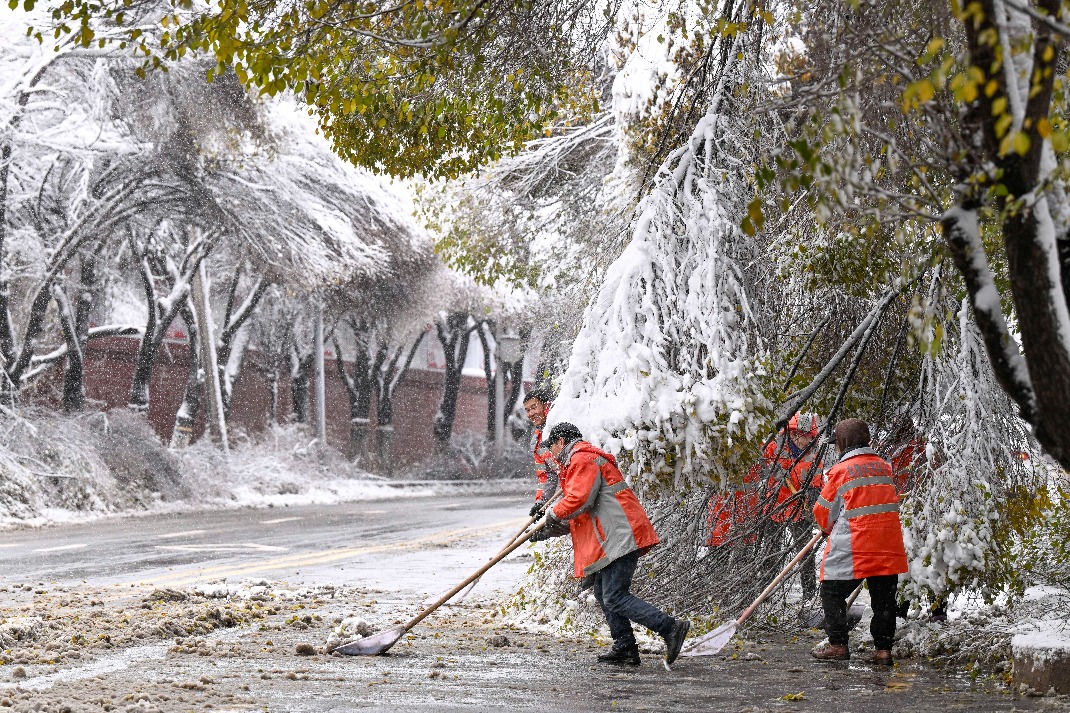
The renowned ski destination of Altay Prefecture has experienced moderate to heavy snowfall since Tuesday evening. In the regional capital Urumqi, snowfall accumulation reached 12.1mm between Wednesday evening and Thursday morning. Municipal authorities deployed massive resources to combat the winter onslaught, mobilizing over 16,000 sanitation workers and 1,900 specialized snow-removal vehicles before Thursday’s morning rush hour.
Critical infrastructure providers have activated emergency protocols to maintain essential services. Heating companies throughout Xinjiang implemented precautionary measures and emergency response initiatives to ensure stable indoor temperatures during the extreme cold. “We maintain 24-hour emergency readiness to promptly address any heating system malfunctions,” stated Ma Lei, representative of Yining City’s primary heating supplier.
According to the National Meteorological Center (NMC), this cold wave represents China’s first major snowfall event of winter, with Xinjiang serving as the initial impact zone. The system is expected to intensify through Thursday and Friday, bringing heavy snowstorms to numerous regions including Shaanxi, Inner Mongolia, Shanxi, Hebei, and Henan provinces.
Meteorological experts caution that this extensive weather system may be accompanied by dramatic temperature fluctuations and powerful winds. Authorities nationwide are urging comprehensive preventive measures, advising citizens to prioritize warmth retention and exercise heightened caution regarding transportation safety.