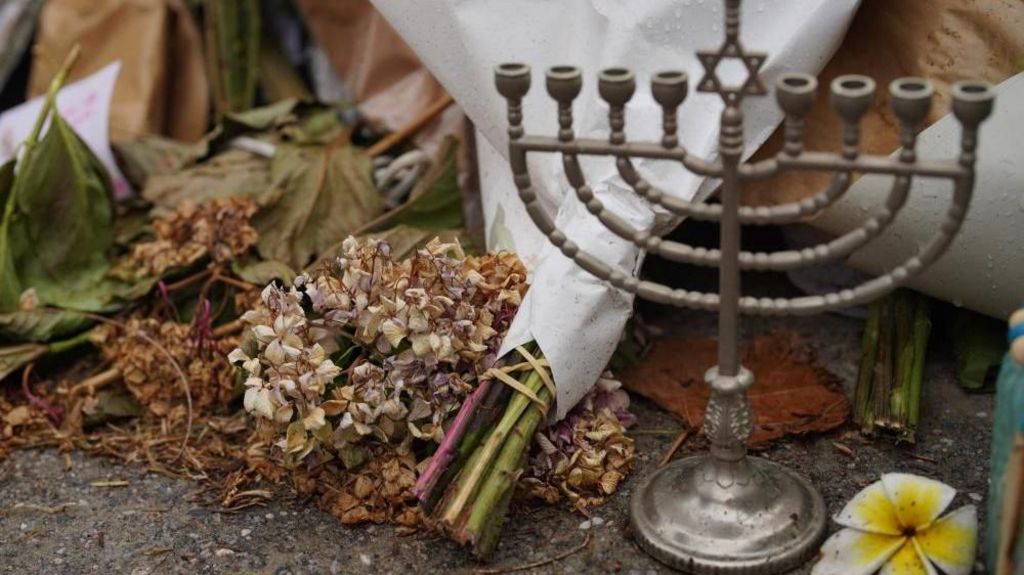
In a powerful response to tragedy, Sydney’s Jewish community institutions have spearheaded an effort to preserve the spontaneous memorial created after December’s devastating Bondi Beach attack that claimed 15 lives. What began as a vacant shopfront on a central Sydney avenue—outwardly appearing abandoned with plastic-covered windows and padlocked doors—has transformed into a sacred repository for countless tributes left by a grieving nation.
Inside the makeshift space, carefully organized within masking-tape squares on the floor, rest poignant mementos: cuddly toys, candles, handwritten messages of hope, and particularly touching symbols honoring the youngest victim, 10-year-old Matilda Bee. Dozens of knitted bees and deflated foil bee balloons create a special section dedicated to her memory. The collection also includes traditional Jewish mourning stones placed instead of flowers, alongside flags, books, and even unexpected items like a Barbie cracker.
The Sydney Jewish Museum and Australian Jewish Historical Society intervened when learning the original memorial faced removal by local authorities. Senior curator Shannon Biederman, whose personal connection to the tragedy runs deep—having nearly attended the targeted Chanukah by the Sea festival and knowing victim Rabbi Eli Schlanger—described the preservation as both professional and profoundly personal. ‘I’m used to working with history,’ she noted, ‘but this is now.’
Meanwhile, an equally massive undertaking continues at a North Sydney warehouse where volunteers face the emotional and logistical challenge of preserving approximately three tons of floral tributes. Jewish artist Nina Sanadze, overseeing the operation, described the initial sight of flower-filled black bags as resembling ‘100 bodies.’ Volunteers work methodically, hanging blooms on hastily sourced metal fences while wearing masks against overwhelming pollen and moisture.
The preservation process has presented unique challenges, including concerns about compost fires from decomposing flowers. Yet volunteers find therapeutic purpose in their work, transforming decay into meaning. Sanadze has created resin artworks incorporating salvaged petals, describing the pieces as containing ‘decay and sadness as well as beauty.’ Her proposed title for the memorial effort, ‘Petal by Petal,’ reflects both the meticulous preservation work and the gradual emotional processing of trauma.
As Australia prepares to honor victims with nationwide landmarks illuminated in solidarity and a moment of silence, the conversation has shifted toward unity and healing. The community emphasizes performing ‘mitzvah’—acts of kindness—as a healing tradition. While final decisions about a permanent memorial remain with a dedicated committee, the preserved items will serve as powerful testament to a nation’s collective grief and resilience.