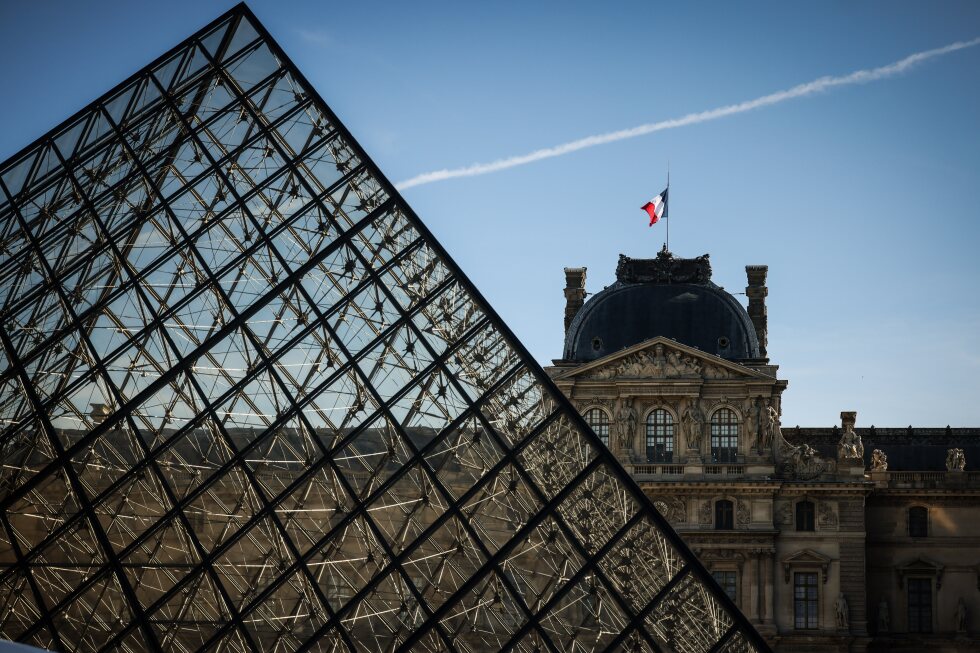
The Louvre Museum has appointed Christophe Leribault as its new director following the abrupt resignation of predecessor Laurence des Cars, marking a dramatic leadership transition at the world’s most-visited museum. This swift administrative change comes as the iconic institution grapples with multiple crises, including October’s spectacular crown jewels heist valued at €88 million ($102 million), labor disputes, infrastructure deterioration, and a suspected decade-long ticket fraud scheme amounting to $12 million.
Leribault, an 18th-century art specialist and seasoned administrator, assumes control amid what government officials characterize as a critical need for institutional stability. His extensive credentials include leadership roles at France’s most prestigious cultural institutions—most recently directing the Palace of Versailles, where he managed substantial visitor traffic and a €170 million annual budget.
The departure of des Cars, who made history as the Louvre’s first female director in 2021, represents a symbolic turning point for the palace built for kings. Her resignation followed months of mounting pressure after the jewel theft exposed fundamental security vulnerabilities. In a telling interview with Le Figaro, des Cars stated she had become a ‘lightning rod’ for criticism and could no longer effectively advance the museum’s transformation.
Beyond immediate security concerns, the Louvre faces structural challenges inherent to its identity as both historic monument and modern tourist destination. Officials note the complexity of securing 86,000 square meters containing 35,000 displayed artworks while accommodating approximately 9 million annual visitors amidst aging infrastructure and persistent water leaks.
This leadership transition carries significant political implications for President Emmanuel Macron, whose ‘Louvre New Renaissance’ project stands as his signature cultural legacy initiative. The ambitious €1.15 billion renovation plan—featuring a new Seine-side entrance, expanded underground spaces, and a dedicated Mona Lisa chamber with timed access—now falls under Leribault’s stewardship as Macron approaches his term’s conclusion next year.
Security enhancements remain the most pressing priority, with French audits revealing that less than 40% of museum rooms currently have camera coverage. While anti-intrusion devices and vehicle barriers were implemented following the theft, the comprehensive security overhaul isn’t projected for completion until 2032, underscoring the monumental challenge facing the new director.