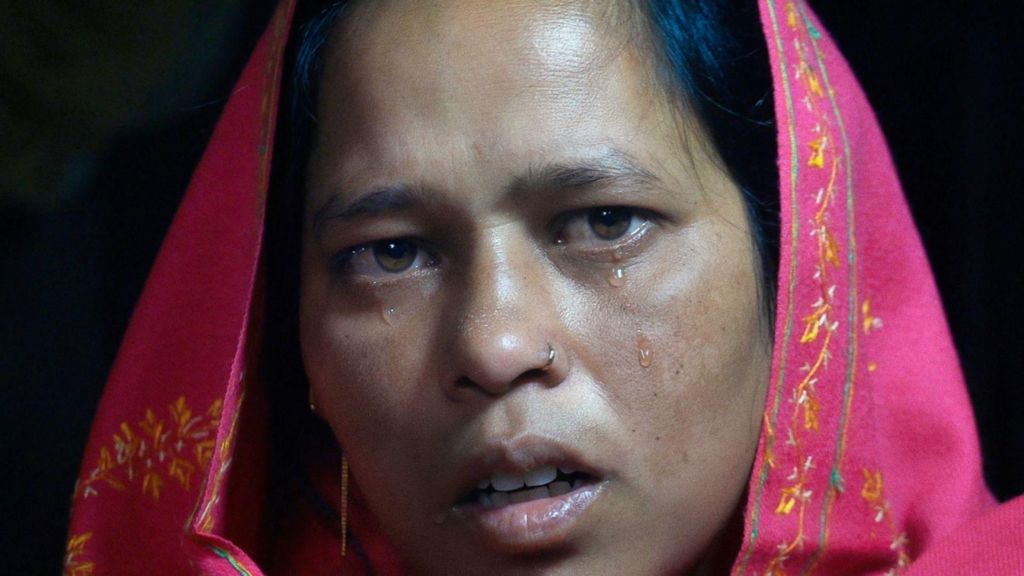
A pregnant Indian woman’s ordeal has exposed alarming practices in India’s immigration enforcement, raising serious questions about due process and human rights protections. Sunali Khatun, 25, returned to India earlier this month after being forcibly deported to Bangladesh with her family in June, despite claiming Indian citizenship throughout the process.
The domestic worker from West Bengal was detained in Delhi alongside her husband, Danish Sheikh, and their eight-year-old son. Authorities accused them of being illegal immigrants from Bangladesh and proceeded with deportation without verifying their claims with their home state—a violation of standard protocol according to West Bengal Migrant Workers Welfare Board chairman Samirul Islam.
Khatun’s case represents hundreds of similar incidents occurring in recent months. While Delhi hasn’t released official deportation statistics, Bangladeshi government sources indicated over 1,200 people were ‘illegally pushed in’ during May alone, coinciding with an All India Radio report documenting approximately 700 deportations from Delhi that same month.
The family endured more than 100 days in a Bangladeshi prison under harsh conditions. Khatun describes inadequate food for her pregnancy and cells without proper sanitation facilities. ‘I was scared because it was just my son and me. All we did was cry,’ she recounts.
India’s Supreme Court eventually intervened on humanitarian grounds, permitting Khatun and her son to return while her citizenship undergoes investigation. Her husband remains in Bangladesh, released on bail but separated from his family. Their seven-year-old daughter was left behind in India during the initial detention, creating additional trauma.
Khatun alleges disturbing details about their forced removal: after detention by Delhi police, they were flown to the India-Bangladesh border and ‘pushed’ across by Border Security Force personnel into dense forest terrain. When they attempted to re-enter India using routes suggested by locals, BSF guards allegedly beat members of their group and returned them to the forest.
The case has sparked significant political controversy, with the West Bengal government accusing the federal Bharatiya Janata Party-led administration of conducting deportations without cause. Rights activists note a concerning pattern suggesting these actions disproportionately target Bengali-speaking Muslims, despite the cultural and linguistic similarities between West Bengal and Bangladesh that have historically facilitated migration across their porous 4,096-kilometer border.
Khatun now lives with her parents in West Bengal, anxious about her husband’s situation and uncertain how she will support her two children and impending newborn. ‘We may not make enough money to eat three square meals if we live here,’ she acknowledges, ‘but I will never go back to Delhi.’
The Supreme Court continues to hear her case as questions mount about India’s deportation practices and their compliance with human rights standards.