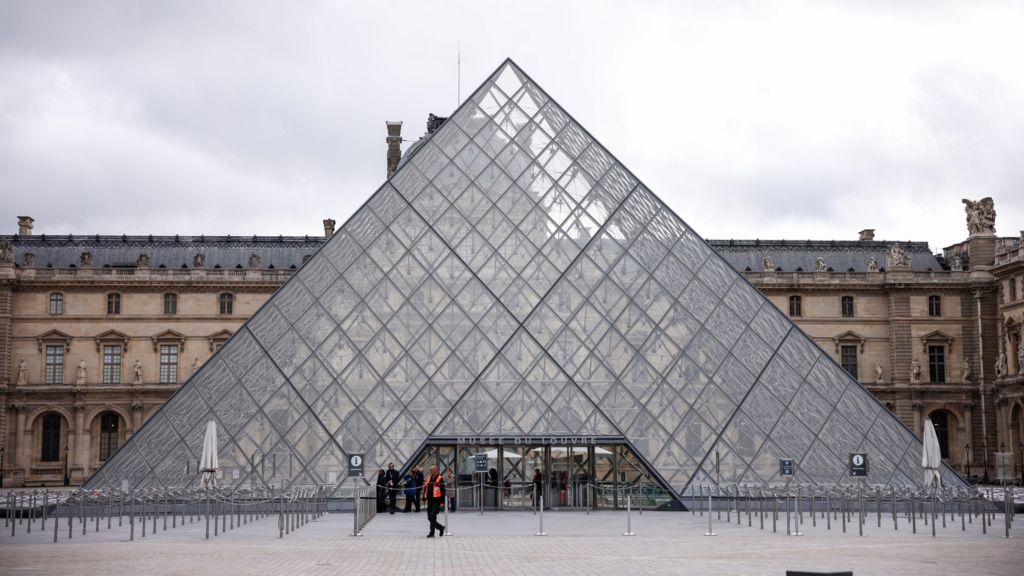
The Louvre Museum in Paris has encountered its third significant operational challenge within recent months following a water leakage incident that compromised hundreds of historical volumes. According to Deputy Administrator Francis Steinbock, approximately 300-400 books, primarily comprising specialized Egyptology journals and scientific documentation from the late 19th and early 20th centuries, sustained water damage in the museum’s Egyptian department.
The leakage, detected in late November, originated from infrastructure issues that museum management had acknowledged for several years. Repairs are formally scheduled for implementation in the upcoming year. Mr. Steinbock emphasized that no precious heritage artifacts or invaluable books were impacted by the incident. The affected materials, described as reference volumes frequently consulted by academic Egyptologists, will undergo a meticulous restoration process involving drying, professional bookbinding, and conservation treatments before returning to library shelves.
This incident follows two other major disruptions at the world’s most visited museum. In November, structural vulnerabilities necessitated the partial closure of galleries exhibiting Greek vases and administrative offices. More dramatically, on October 19th, thieves executed a daring daylight heist, stealing crown jewels valued at €88 million ($102 million) while exposing critical security deficiencies. These jewels remain unrecovered, prompting the museum to relocate its most valuable gems to the secure vaults of the Bank of France.
These recurrent problems align with concerns raised in an October report from France’s Cour des Comptes, the national audit authority. The report criticized the Louvre’s financial prioritization, noting excessive expenditure on artwork acquisitions had occurred “to the detriment of the maintenance and renovation of buildings,” potentially contributing to the current infrastructure challenges.