As Ramadan transforms evening routines across the UAE, the historic town of Al Dhaid in Sharjah has emerged as an unexpected sanctuary for those seeking an alternative to commercialized iftar experiences. Located approximately 90 minutes from Dubai, this destination combines spiritual observance, cultural immersion, and authentic Emirati cuisine within a single, cohesive experience.
The recently inaugurated Al Nasr Mosque, distinguished by its striking glass dome architecture that floods the prayer hall with natural light, serves as the spiritual centerpiece. Worshipers find the space remarkably serene and uncrowded even during peak Ramadan periods, with ample organized parking facilitating stress-free visits.
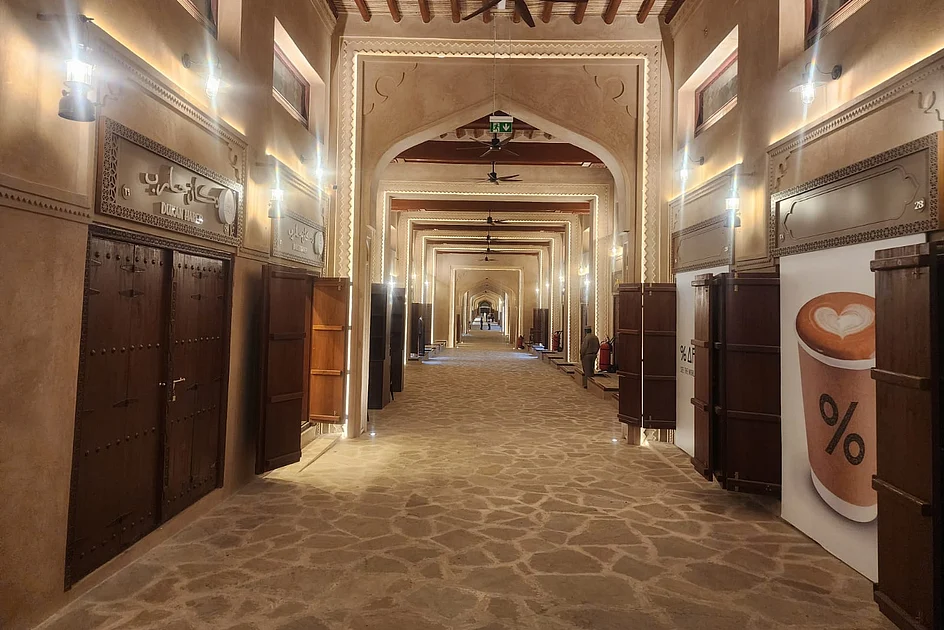
Adjacent to the mosque, the newly opened Souq Sharia’t presents a stark contrast to contemporary shopping malls. Designed with architectural elements reminiscent of traditional Emirati trading towns, the marketplace features sand-colored walls, stone flooring, and heavy wooden doors with decorative metal studs. The complex houses approximately 34 establishments including traditional clothing stores, oud and bakhoor outlets, and coffee houses arranged around a central courtyard with majlis-style seating.
The culinary experience represents the souq’s most distinctive offering. Instead of commercial food outlets, local Emirati households prepare traditional dishes in their homes for sale within the market. This community-driven approach creates an atmosphere of genuine cultural exchange. Visitors can observe regag bread being prepared on the spot, sample freshly made luqaimat drizzled with date syrup, and purchase portions of harees that frequently sell out due to high demand.
Visitors have expressed appreciation for the experience’s authenticity. Ahmed, a Sharjah resident who visited with his family, noted: ‘We sought something fundamentally different from the standard mall iftar. This environment feels authentically local and culturally connected.’ Another visitor described the combination of spiritual, historical, and culinary elements as ‘a perfectly balanced outing that maintains peacefulness throughout.’
The addition of nearby heritage sites including Al Dhaid Fort provides opportunities for historical exploration between prayers, creating a comprehensive cultural experience that remains comfortably accessible for evening visitors. This emerging destination demonstrates how communities can preserve culinary traditions and create meaningful Ramadan experiences outside commercialized environments.