Nestled within the rugged terrain of the Hajar Mountains, the remote village of Masfout has undergone a remarkable metamorphosis from an isolated agricultural settlement into an internationally acclaimed tourist destination, recently honored as the ‘best tourist village in the world’ for 2025 by the UN World Tourism Organisation.
This extraordinary transformation finds its roots in the mid-20th century when Masfout faced existential threats from bandit raids and economic hardship. According to Dr. Saif bin Aboud Al-Badwawi, a native heritage researcher born in 1960, the community’s peaceful existence was repeatedly disrupted by tribal conflicts and resource scarcity exacerbated by the decline of pearl diving and WWII-era hardships.
The turning point arrived in 1947 when a desperate delegation approached Sheikh Rashid bin Humaid Al Nuaimi, the former Ruler of Ajman. Responding to their plea, Sheikh Rashid formally incorporated Masfout as an Ajman enclave, earning the title ‘village’s protector’ through his direct interventions against banditry, including the rescue of abducted women through negotiation or force.
Beyond providing security, Sheikh Rashid initiated comprehensive development programs that laid the foundation for modern Masfout. His visionary leadership manifested in the 1950 restoration of the defensive Masfout Tower, the issuance of the Trucial States’ first passports in 1952, and critical infrastructure projects including well drilling and falaj irrigation system rehabilitation.
The Sheikh’s educational and healthcare initiatives—establishing the first regular school in 1964 and the inaugural clinic in 1963—represented groundbreaking social investments. His administration further constructed thirty concrete houses for villagers in 1968, substantially improving living conditions.
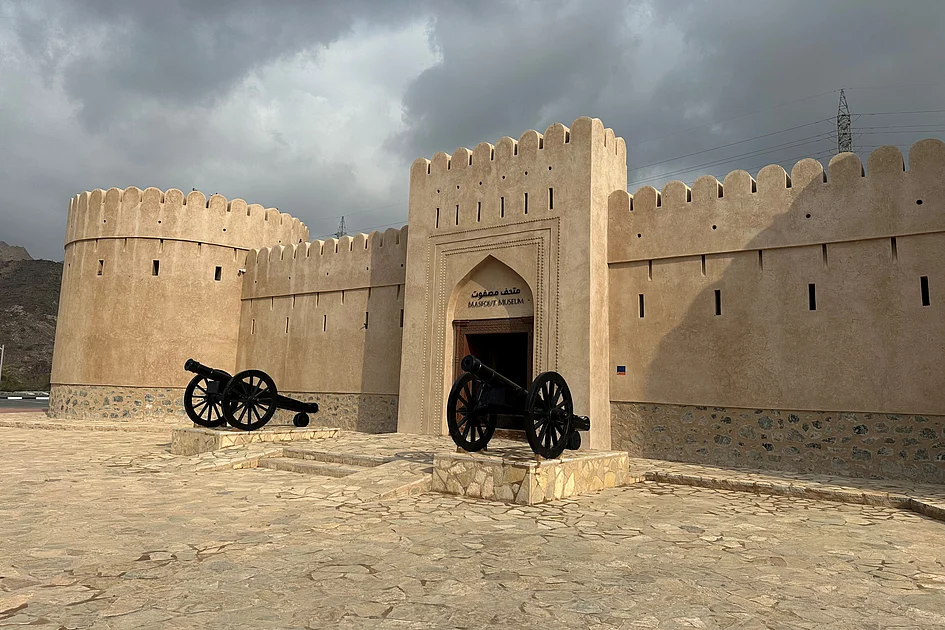
Contemporary Masfout thrives under the ‘Masfout 2030’ vision, building upon Sheikh Rashid’s foundational work. The destination now boasts diverse attractions including the monumental Masfout Gate, historical Masfout Museum and Castle, the ancient Bin Sultan Mosque (dating to 1815), extensive hiking trails, an equestrian and shooting club, alongside numerous parks and cultural festivals that celebrate its rich heritage while embracing sustainable tourism development.