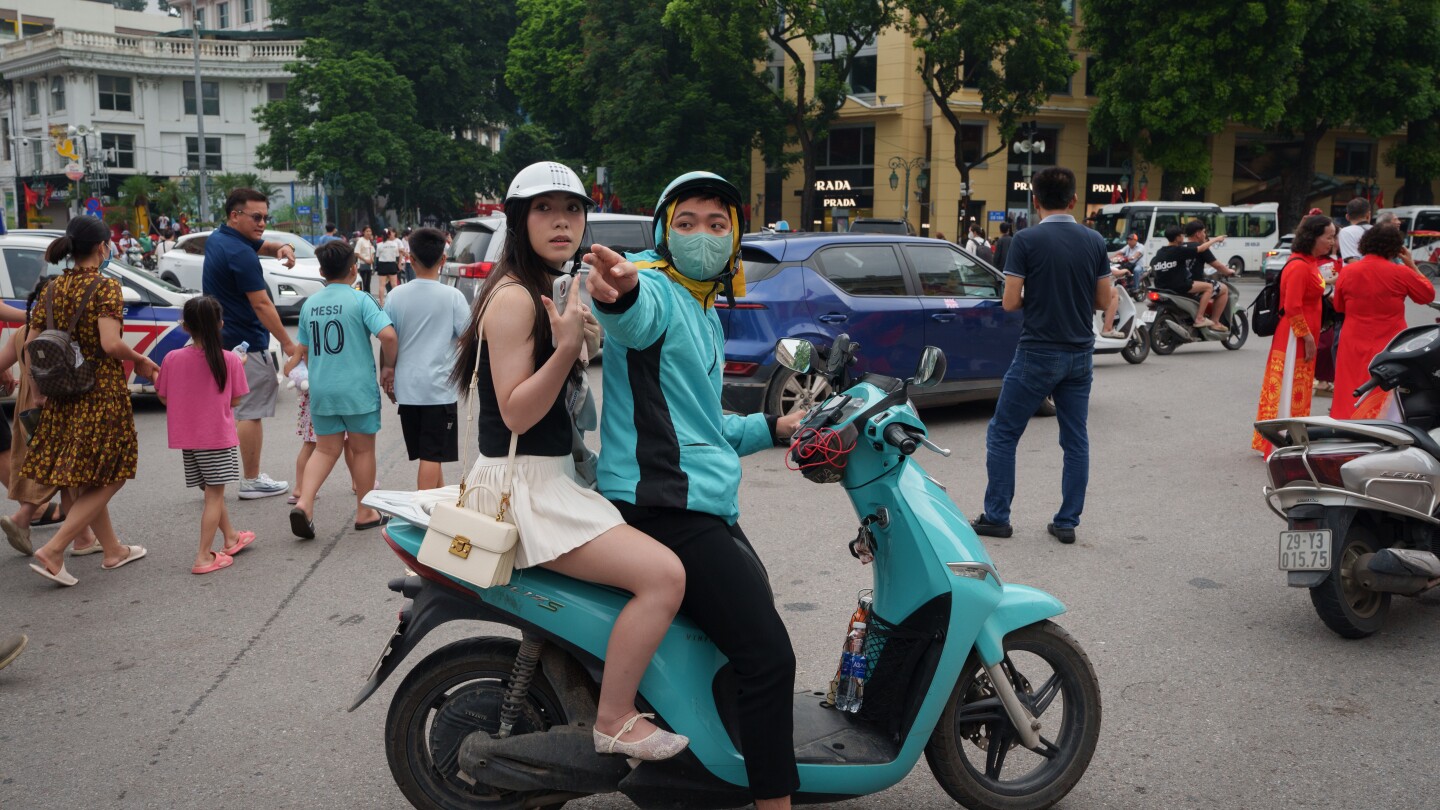
Vietnam stands at a crossroads, torn between its reliance on gas-powered motorbikes and the government’s push for an electric future. With Hanoi set to ban fossil-fuel motorcycles from its city center by July 2026, and Ho Chi Minh City considering similar measures, the nation is accelerating its transition to cleaner transportation. By 2030, Vietnam aims for one-third of cars and over a fifth of motorbikes to be electric. However, this shift is not without challenges. While electric bikes promise reduced emissions and quieter streets, concerns about affordability, range, and charging infrastructure persist. For many Vietnamese, motorbikes are more than just vehicles—they are lifelines for small businesses, daily commerce, and family transportation. The country’s 77 million two-wheelers, including 7 million in Hanoi and 8.5 million in Ho Chi Minh City, are deeply ingrained in its culture and economy. Despite the hurdles, electric bike sales are surging, with startups like Dat Bike and VinFast leading the charge. VinFast, backed by Vietnam’s largest conglomerate VinGroup, is investing heavily in battery-swapping stations and low-interest loans to boost adoption. Meanwhile, traditional giants like Honda and Yamaha argue that the 2026 timeline is too ambitious, citing consumer strain and production challenges. Government subsidies and incentives aim to ease the transition, but long-term success hinges on delivering electric bikes that match the performance and affordability of gas-powered models. As Vietnam navigates this transformation, its experience could serve as a blueprint for other developing nations seeking to balance tradition with sustainability.