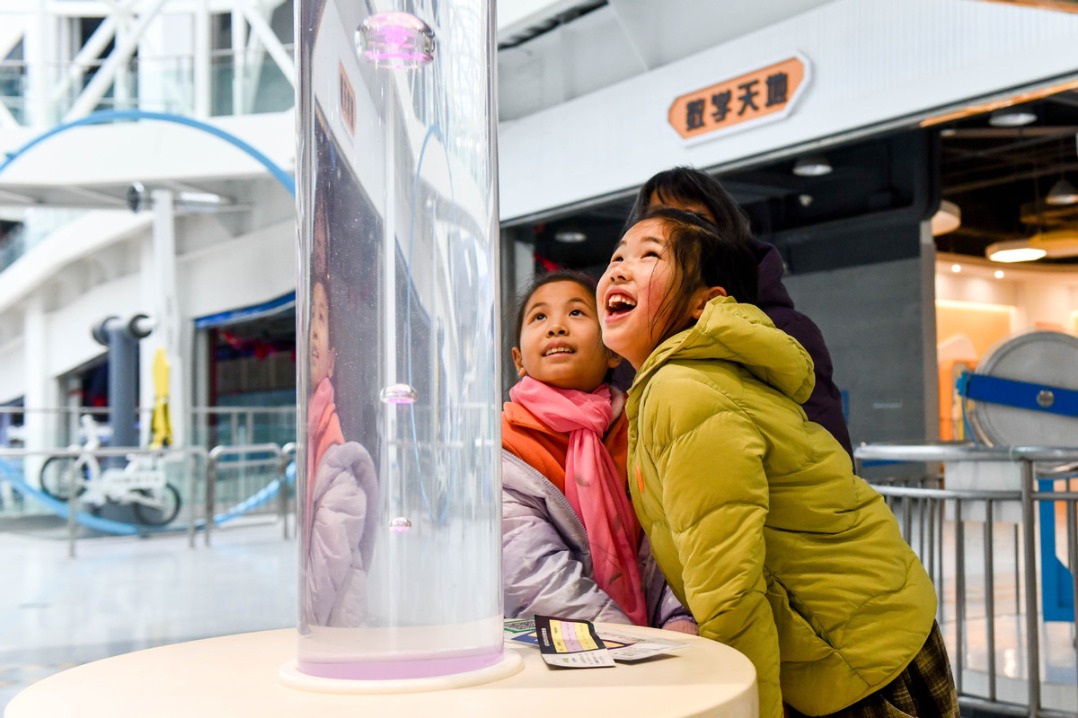
As China’s winter vacation period progresses in February 2026, educational institutions nationwide have launched an extensive array of extracurricular programs designed to enrich students’ holiday experience. From cultural performances to skill-building workshops, these initiatives represent a significant shift in educational approach beyond traditional classroom settings.
In Qinyang, Central China’s Henan province, children demonstrated their artistic talents through poetry recitation performances at a local music hall on February 8. This event exemplifies the growing emphasis on cultural education and public speaking skills development during school breaks.
The nationwide program encompasses multiple activity categories including arts education, sports development, scientific exploration, and traditional culture immersion. Educational authorities have collaborated with community centers, museums, and cultural institutions to create comprehensive learning experiences that complement academic curricula.
These initiatives address growing concerns about excessive screen time and academic pressure during holidays by providing structured yet engaging alternatives. The programs are designed to develop well-rounded skills while maintaining an enjoyable vacation atmosphere.
Parental response has been overwhelmingly positive, with many noting improved social skills and renewed academic motivation among participants. The activities also serve as valuable opportunities for intergenerational connection and community bonding.
Educational experts highlight the importance of such programs in fostering creativity, critical thinking, and emotional intelligence—skills increasingly valued in modern education systems. The winter vacation activities represent China’s evolving approach to holistic education that balances academic rigor with personal development.
The success of these initiatives may influence future educational policy, potentially leading to more structured extracurricular programming during school breaks nationwide. As the vacation period continues, participation rates suggest this model could become a permanent feature of China’s educational landscape.