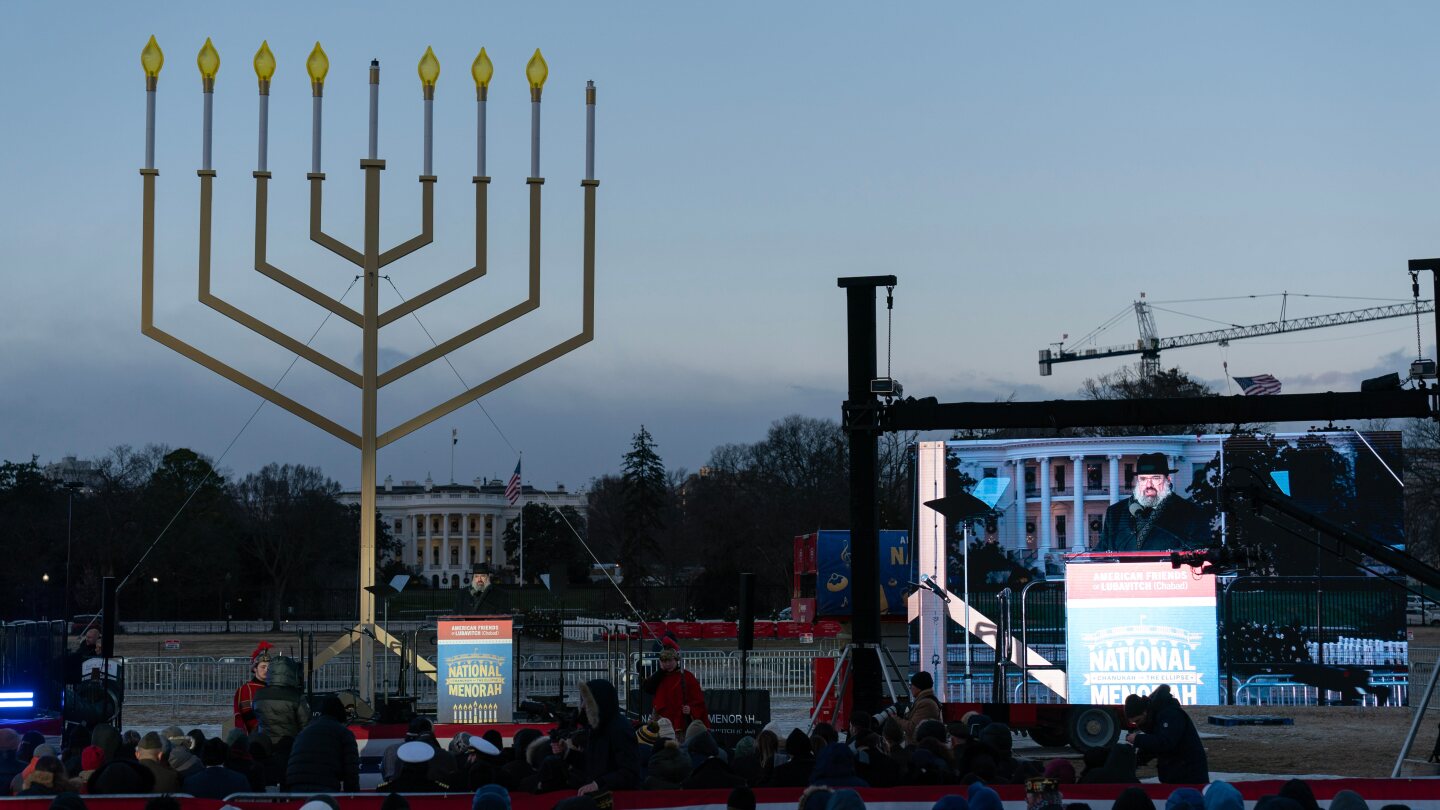
In response to the lethal mass shooting targeting a Hanukkah celebration on Sydney’s Bondi Beach, prominent Jewish organizations across the United States are implementing enhanced security protocols for public gatherings. Three specialized security groups have jointly recommended that upcoming Jewish events adopt strict access controls, permitting entry exclusively to pre-screened individuals who completed advance registration.
The security advisory emphasizes that event details including location and timing should only be disclosed upon confirmed registration, with physical access controls established to verify attendees. This coordinated security response emerges alongside declarations from rabbis nationwide affirming their commitment to proceed with large-scale celebrations as demonstrations of community resilience.
Temple Beth Sholom, among Miami’s largest synagogues, publicly encouraged members to embrace “Jewish joy, communal strength, and courageous hope” by participating in Hanukkah festivities. This sentiment echoes globally, with Chabad centers maintaining thousands of scheduled public menorah lightings while implementing additional security precautions.
Rabbi Jeffrey Myers of Pittsburgh’s Tree of Life Congregation, who survived the 2018 antisemitic attack that killed eleven worshippers, emphasized Hanukkah’s symbolic significance: “In the face of antisemitism and violence, my prayer is that we don’t let the fear win but instead lean into our Jewishness and practice our tradition proudly.”
The Sydney attack, which claimed at least fifteen lives including Assistant Rabbi Eli Schlanger, has intensified scrutiny regarding governmental responses to rising antisemitic crimes. Australian authorities have pledged to review existing firearm regulations following the targeted assault.
Rabbi Rick Jacobs of the Union for Reform Judaism articulated the complex tension between security concerns and religious expression: “We need to be smart about security and protecting ourselves and our fellow Jews… But our Jewish community will not go into hiding. We are proud Jews and will remain so even as we make the security of our Jewish community a primary obligation.”
This balancing act reflects historical Jewish practices, with Jacobs noting that Talmudic teachings traditionally permit moving menorahs from windows during times of danger. Nevertheless, Alon Shalev of Jerusalem’s Shalom Hartman Institute advocates for increased public visibility: “When Jews are attacked for being visibly Jewish, the instinct to retreat is understandable — but it is precisely the wrong response. Jewish safety in democratic societies depends on open, shared civic affirmation.”