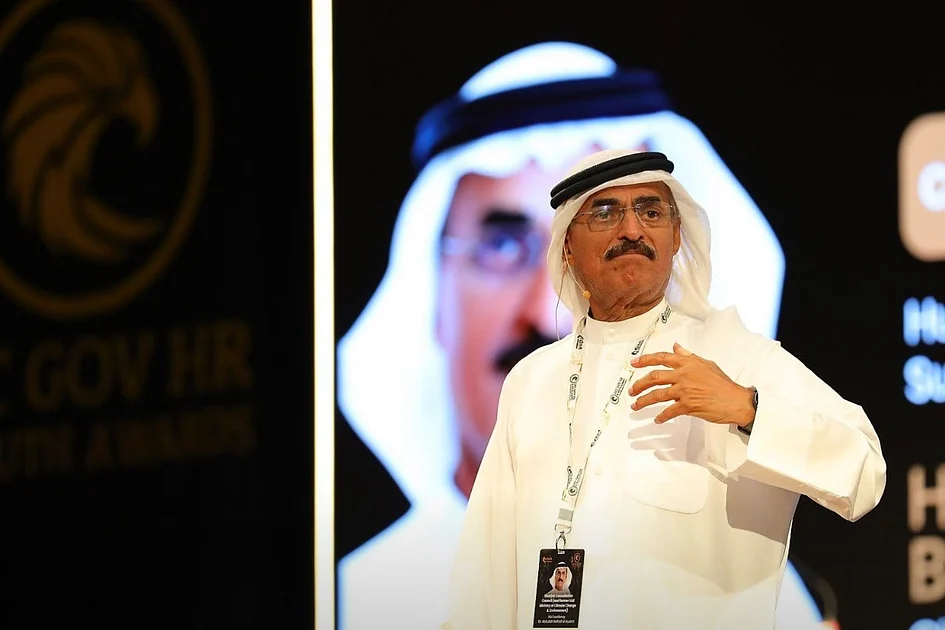
The United Arab Emirates (UAE) has undergone a remarkable transformation since its founding in 1971, evolving through three distinct phases of nation-building and community development. Guided by visionary leadership, the UAE has prioritized human-centered progress, innovation, and sustainability, emerging as a global model for development. This article delves into the UAE’s journey, highlighting its unique approach to shaping infrastructure, identity, and institutional growth. The UAE’s story is one of collective consciousness, strategic vision, and a commitment to fostering resilient, inclusive communities. Phase One (1971–1980): The Union and Identity Formation The UAE’s journey began on December 2, 1971, when seven emirates united under the leadership of the late Sheikh Zayed bin Sultan Al Nahyan and his fellow rulers. This union was not merely a political agreement but a promise of a shared future, grounded in justice, solidarity, and belonging. Despite limited resources, the UAE laid the foundation for modern governance and infrastructure. Key achievements included the establishment of over 140 public schools, 15 hospitals, 43 health centers, and 1,200 kilometers of paved roads. Federal ministries for education, health, public works, and media were also founded, marking the beginning of a modern state. Phase Two (1980–2000): Infrastructure and Institutional Development As resources grew, the UAE focused on building an integrated system of infrastructure and public institutions. This phase saw the expansion of cities, the rise of ambitious projects, and the diversification of the economy. By 2000, the UAE had over 1,000 schools, 65 hospitals, and 150 health centers. National universities such as UAE University, University of Sharjah, and Zayed University became centers of learning and research. The development of airports, ports, and highways further connected remote areas to urban centers. Specialized authorities were established to enhance sustainability and public services, reflecting a shift from basic provision to institutional efficiency. Phase Three (2000–Present): Innovation and Global Leadership Today, the UAE is a global leader in innovation, sustainability, and comprehensive development. National visions like “UAE Vision 2021” and the “Centennial Plan 2071” have driven advancements in smart education, remote healthcare, and digital governance. Over 90% of public schools have adopted smart systems, and more than 70 healthcare facilities have implemented remote care platforms. The UAE is also a regional academic hub, hosting over 40 international university branches. Sustainable cities like Masdar City and “Green Neighborhoods” reflect the nation’s environmental commitment, while over 3,000 e-government services streamline public administration. Personal Reflection Dr. Abdullah Belhaif Alnuaimi, a prominent Emirati leader, reflects on the UAE’s journey, emphasizing that community development is a shared national responsibility. He highlights the evolution of public service from delivery to human development and the UAE’s holistic approach to sustainability. The UAE’s success lies in its vision, partnership, and belief in the human being as the cornerstone of progress.