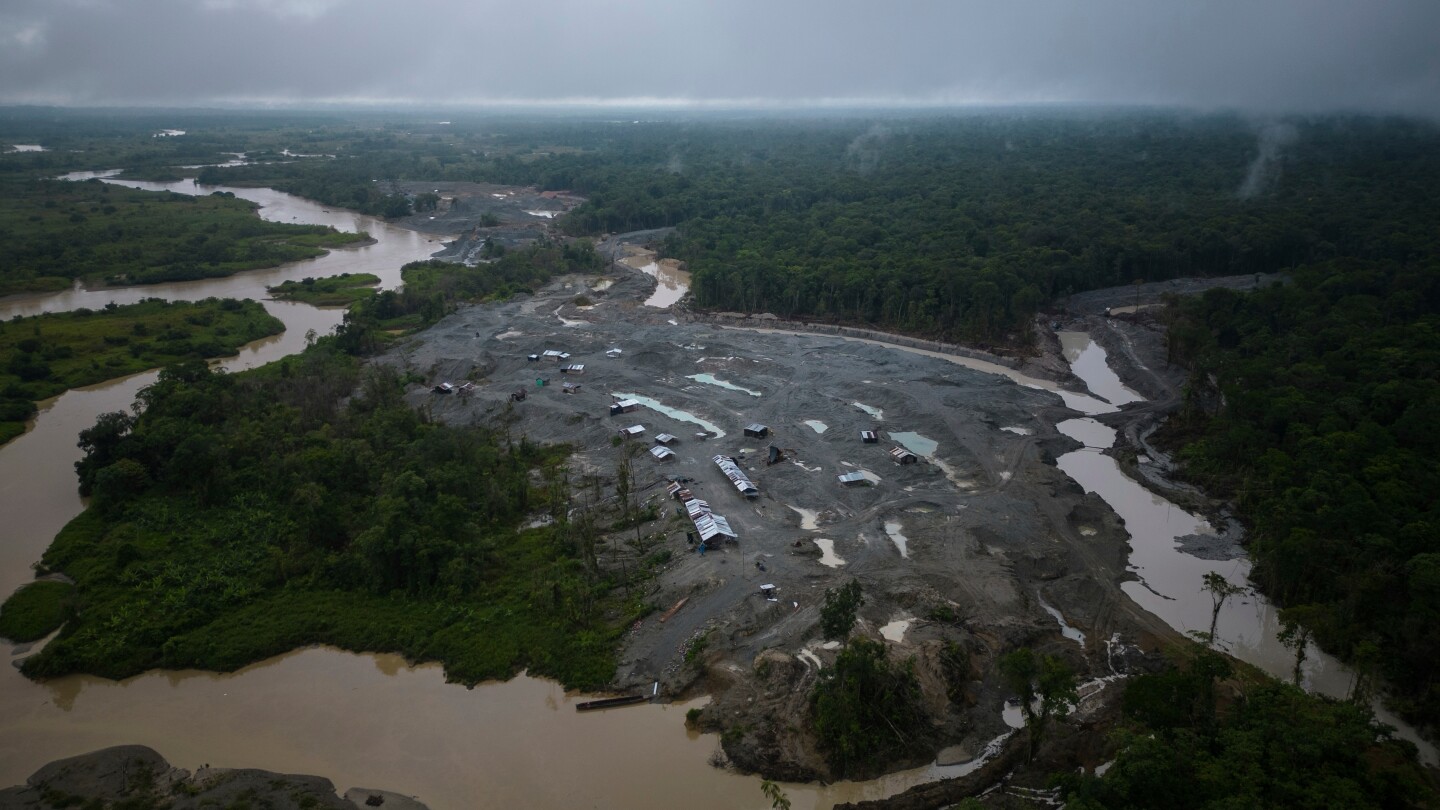
The United Nations has issued a stark warning about the escalating human rights crisis in Colombia’s Atrato River basin, caused by mercury contamination from illegal gold mining. In a public letter released on Tuesday, three UN Human Rights Council special rapporteurs expressed deep concerns over the Colombian government’s inadequate compliance with a 2016 Constitutional Court ruling that recognized the Atrato River as a legal entity entitled to protection and restoration. Marcos Orellana, the UN special rapporteur on toxics and human rights, highlighted the persistent failure to enforce the court’s decision, attributing the problem to organized crime, corruption, and the smuggling of mercury and gold. The Atrato River, a vital waterway spanning nearly 500 miles through Colombia’s biodiverse Choco region, sustains Afro-Colombian and Indigenous communities reliant on fishing and farming. However, toxic pollution from illegal mining has severely threatened their health, livelihoods, and cultural practices. Orellana revealed that over a third of the population in the Atrato watershed has been exposed to mercury levels exceeding World Health Organization limits, posing risks of neurological damage, organ failure, and developmental disorders. The UN urged Colombia to take immediate action to curb illegal mining, clean up polluted areas, and provide medical care for affected communities. Despite the 2016 ruling being hailed as a landmark in environmental law, political turnover, funding shortages, and alleged corruption have hindered its enforcement. The UN also called for stronger international mercury controls under the Minamata Convention, emphasizing the need to address cross-border trade gaps. Orellana stressed that meaningful progress would require reducing the scale of illegal mining and ensuring communities have access to specialized healthcare and exposure reduction guidance. The Colombian government has yet to respond to the UN’s letter, which was sent over 60 days ago. The situation underscores the urgent need for sustained institutional commitment to protect human rights and the environment.
UN warns Colombia over mercury contamination in Atrato River, calls crisis a human rights emergency