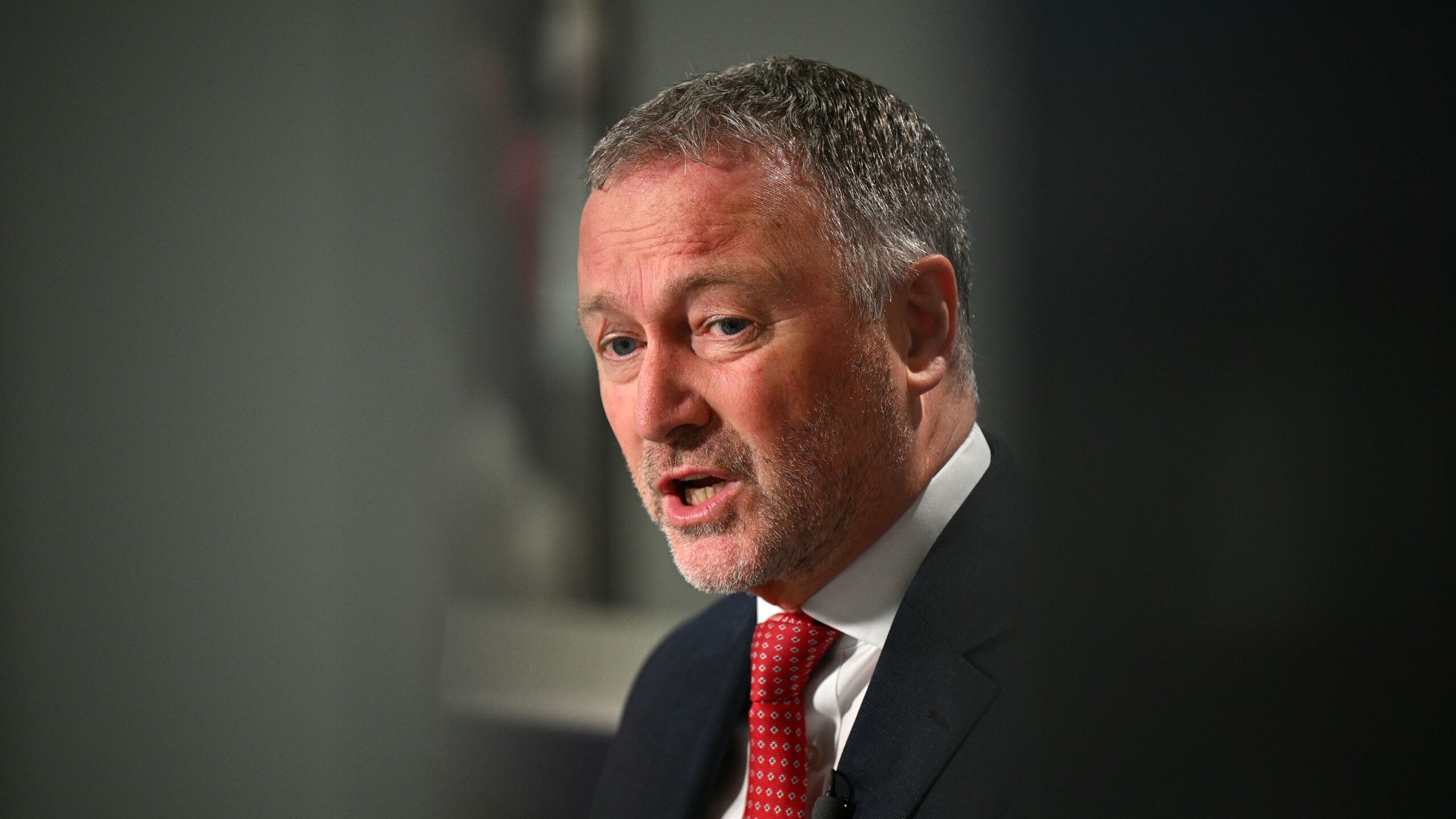
The United Kingdom has formally established its first official definition of anti-Muslim hatred in a landmark move to address rising religious-based hostility. Communities Secretary Steve Reed presented the new framework to Parliament on Monday, emphasizing the government’s duty to confront record levels of faith-targeted crimes.
Speaking before the House of Commons, Reed revealed that nearly half of all religious hate crimes in Britain are directed at Muslims, creating widespread fear within communities. ‘Many live in fear that they will be targeted because of how they look or assumptions over where they come from,’ he stated, underscoring the necessity for clear parameters against prejudice.
The newly adopted non-statutory definition specifically encompasses both Muslims and individuals perceived as Muslim, acknowledging that hatred frequently manifests through ethnic or racial targeting rather than solely religious identification. This approach mirrors the existing framework for antisemitism, addressing the complex nature of discrimination.
The development follows extensive consultation led by former Conservative minister Dominic Grieve in collaboration with British Muslim representatives. Javed Khan, managing director of think tank Equi and member of the government’s working group, praised the definition’s comprehensive scope, noting it ‘acknowledges the reality that hatred often targets people because of their ethnicity or racial background.’
However, the initiative faces scrutiny from critics questioning its practical implementation. Concerns have emerged regarding sufficient resource allocation for enforcement mechanisms and whether the definition adequately addresses structural Islamophobia beyond individual incidents.
The policy forms part of the broader government action plan ‘Protecting What Matters,’ designed to strengthen national social cohesion amidst rising extremism and global tensions. Additional measures include establishing an annual state of extremism report and enhancing the visa watchlist taskforce to prevent entry by hate preachers.
Recent research by Equi indicates a 43% surge in anti-Muslim incidents between 2023-2024, with summer riots alone costing approximately £243 million. Despite these challenges, public attitudes show promising trends—most British citizens hold favorable or neutral views of Muslims, particularly when exposed to examples of community contributions.