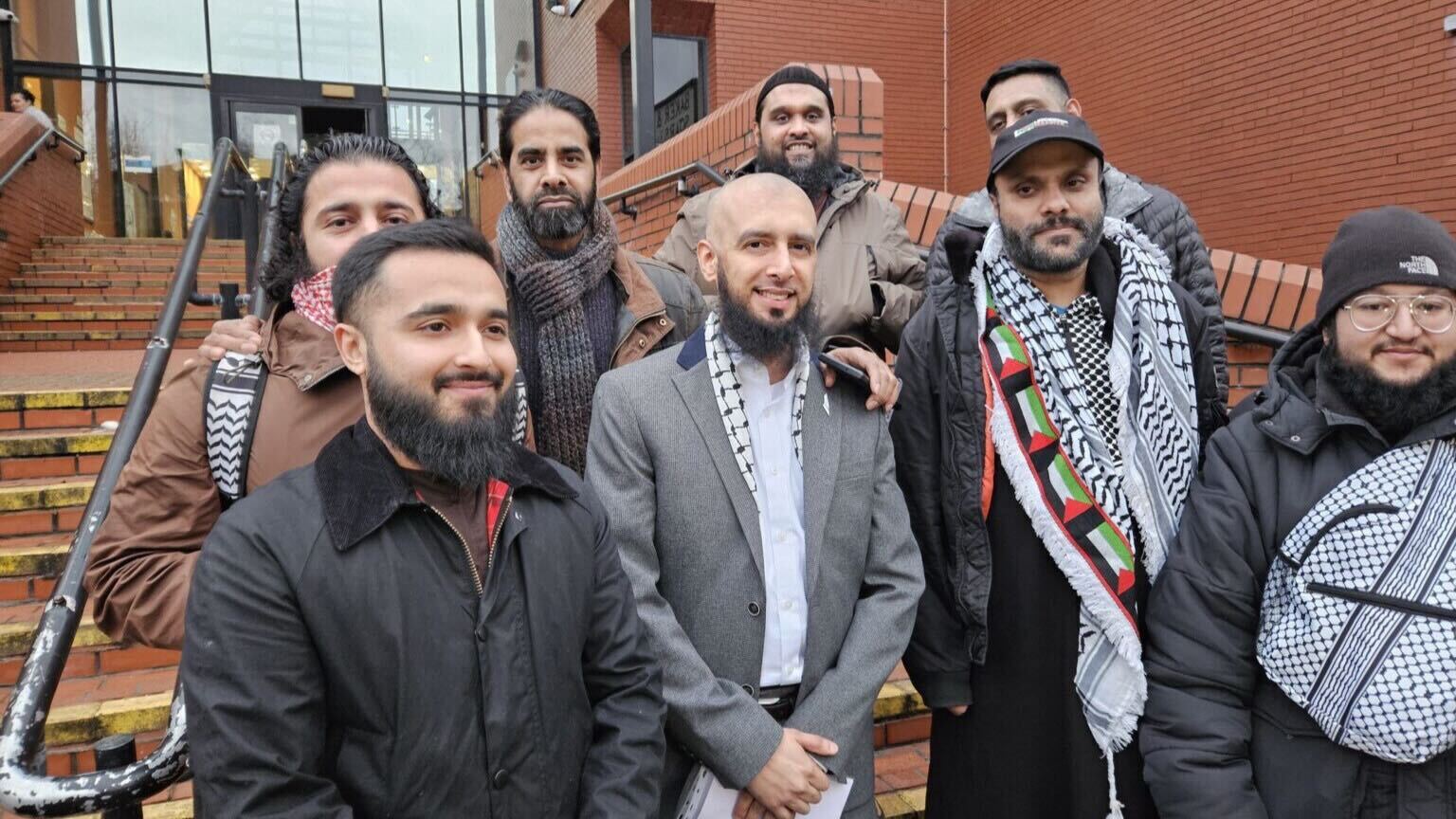
In a landmark ruling, Leicester Crown Court has fully exonerated community activist Majid Freeman of all public order offenses related to the 2022 Leicester riots, delivering a verdict that raises significant questions about police conduct and community relations.
Following a retrial, Judge Robert Brown dismissed the case against Freeman, stating the prosecution provided insufficient evidence to establish guilt. The court heard testimony from multiple witnesses, including members of Leicester’s Hindu community and former MP Claudia Webb, who unanimously supported Freeman’s character and peace-building efforts.
During proceedings, police allegations claimed Freeman had pushed an officer, used profanity, and incited violence during the September 2022 unrest. While acknowledging Freeman admitted to using strong language, Judge Brown emphasized the critical distinction between offensive speech and genuinely threatening behavior, praising the activist as “measured, restrained, and humble” in his testimony.
In a remarkable commendation, Judge Brown described Freeman as a “bridge-builder” between Muslim and Hindu communities, noting his repeated collaborations with law enforcement to maintain community harmony.
Speaking outside the courthouse, Freeman expressed relief after his “three-year ordeal,” describing the prosecution as “deeply troubling.” He maintained he had actually protected a young Hindu man during the violence and worked with community leaders to de-escalate tensions when “police failed to keep the peace.”
The case stems from violent clashes that erupted after approximately 200 masked Hindu men marched through Leicester’s Highfield area chanting “Jai Shri Ram”—a slogan increasingly associated with anti-Muslim violence in India. The subsequent confrontation between Hindu and Muslim groups prompted a leaked Home Office review that identified “Hindu nationalist extremism” as a contributing factor to the unrest, marking the first official recognition of Hindutva extremism as a potential concern for British counter-extremism efforts.
The ruling concludes a contentious legal battle that has highlighted broader community tensions and raised questions about police accountability and the appropriate focus of counter-extremism strategies in multicultural Britain.