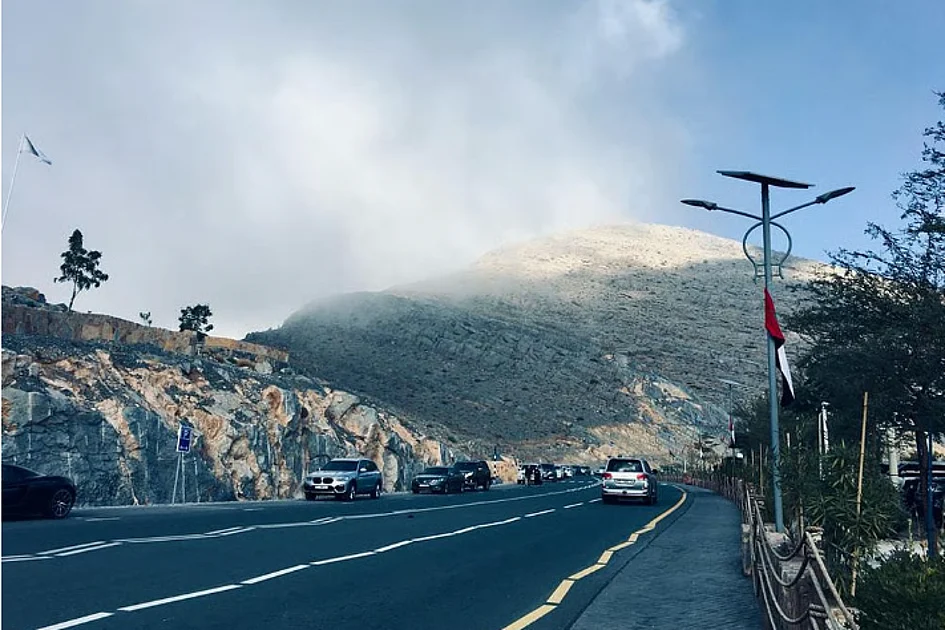
Meteorological authorities in the United Arab Emirates have confirmed that current cold weather conditions affecting the nation will be transient rather than sustained. According to Mohammed Al Abri, Director of the Meteorology Department at the National Centre of Meteorology (NCM), this climatic phenomenon represents a temporary deviation from the region’s typically pleasant winter patterns.
The atmospheric shift has produced notably low temperatures across various Emirates, with Jebel Jais—the country’s highest peak—registering 0.2°C during early morning hours. More surprisingly, Raknah in Al Ain recorded 4°C, demonstrating that cold conditions aren’t exclusive to mountainous regions. Meteorological experts attribute this unusual distribution to specific topographical characteristics; basin-like valleys such as Raknah function as natural refrigeration units by trapping cold, dense air that descends from higher elevations during nocturnal hours.
The primary driver behind this temperature decline is identified as strong north-westerly shamal winds, generated by high-pressure systems over the southern Arabian Gulf creating low-pressure gradients in eastern areas. These atmospheric currents transport cooler air masses across the peninsula, though coastal urban centers including Dubai, Sharjah, and Ajman have maintained relatively moderate temperatures between 17°C and 17.3°C due to the moderating influence of humidity.
Al Abri emphasized that while Wednesday’s winds contributed to perceptibly chilly conditions, meteorological models indicate gradual easing beginning Thursday. The NCM recommends that residents maintain standard cold-weather precautions during early morning and evening hours when exposed areas experience rapid temperature declines.
From a broader climatological perspective, UAE winter characteristics demonstrate significant interannual variability influenced by global patterns including El Niño and La Niña phenomena. As Al Abri explained, La Niña phases typically correlate with colder, drier conditions in the region, while El Niño tendencies produce warmer, rainier winters through complex teleconnections between Pacific Ocean temperatures and worldwide weather systems.
This meteorological event, while brief, offers scientists valuable insights into how local topography interacts with global climate patterns to create distinctive weather experiences across the Emirates’ diverse landscapes.