Over the past ten years, the United Arab Emirates has pioneered a distinctive approach to national development through its annual thematic framework. Initiated in 2015 under the leadership of Sheikh Mohammed bin Rashid Al Maktoum, Vice-President and Prime Minister of the UAE and Ruler of Dubai, this strategy has transformed from the inaugural ‘Year of Innovation’ into an integrated system guiding governmental priorities and civic engagement.
The program’s evolution demonstrates strategic progression from foundational capacity-building to sophisticated social development. Initial themes concentrated on establishing future-ready infrastructures, with innovation (2015), reading (2016), and giving (2017) creating platforms for technological advancement, cultural enrichment, and philanthropic initiatives. The 2018 ‘Year of Zayed’ provided historical grounding by reemphasizing the foundational principles of the nation’s establishment.
Subsequent years witnessed a deliberate shift toward social cohesion and global positioning. The 2019 ‘Year of Tolerance’ established the UAE as an international exemplar of multicultural coexistence, while the ‘Year of Preparation for the Next 50 Years’ (2020-2021) engaged citizens in envisioning the nation’s future trajectory.
Environmental sustainability emerged as a paramount concern through consecutive thematic years in 2023 and 2024, signaling profound commitment beyond symbolic gestures. This extended focus facilitated comprehensive policy implementation ranging from renewable energy infrastructure to circular economy models, culminating in the UAE’s prominent hosting of COP28.
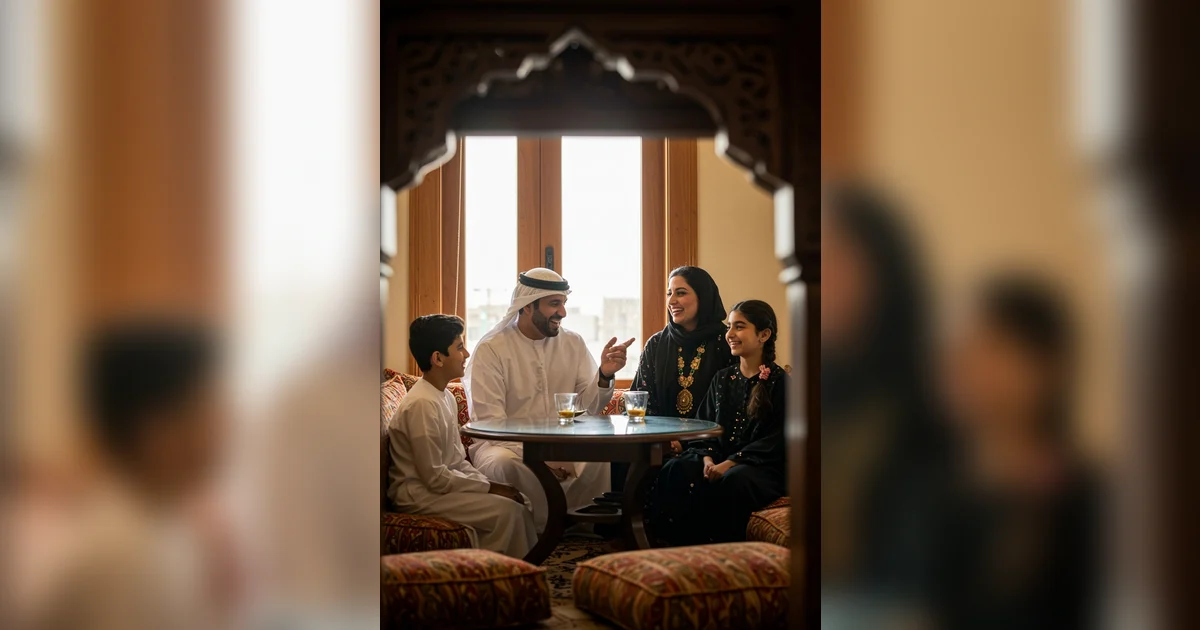
The current ‘Year of Community’ (2025) emphasizes social interconnectedness and collective wellbeing through collaborative initiatives across public and private sectors. Looking forward, 2026 has been designated the ‘Year of the Family’ by President Sheikh Mohamed bin Zayed Al Nahyan, aligning with the National Family Growth Agenda 2031. This forthcoming theme will prioritize intergenerational bonds, work-life balance, and family-centric policies as fundamental to national resilience.
This decade-long thematic approach represents a sophisticated governance model that synchronizes long-term strategic vision with actionable annual priorities, creating both institutional alignment and civic participation in national development.